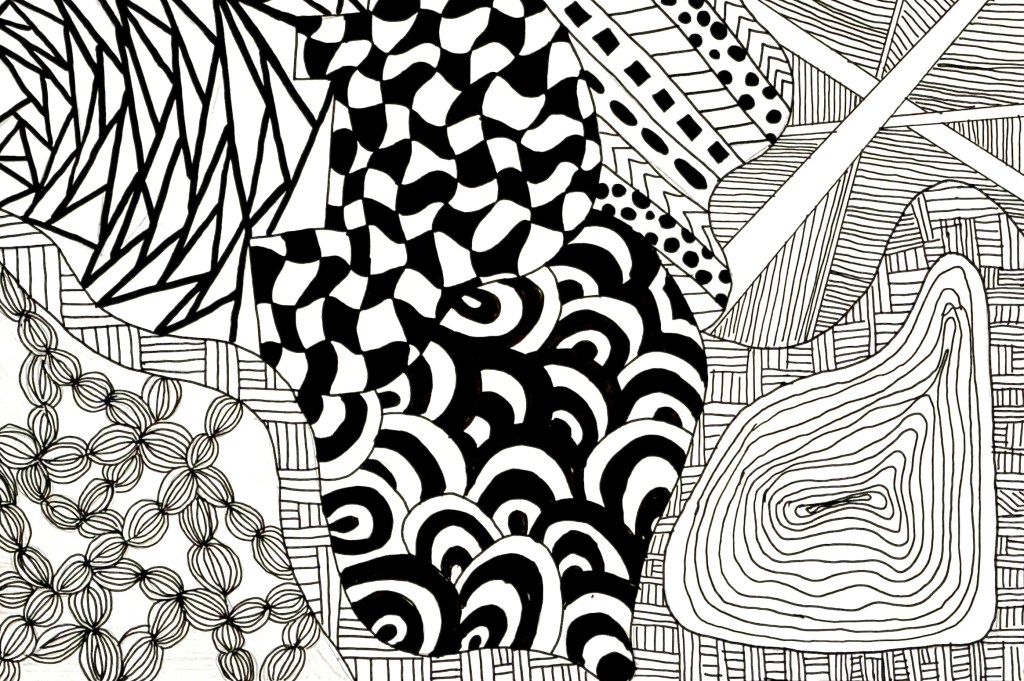
In an innovative approach to art education, our students delved into the Zentangle method, a unique blend of meditative art and organic design.
Created by Rick Roberts, a monk, and Maria Thomas, an artist, this method emphasizes the fusion of creative expression with personal well-being, offering a fresh perspective on organic design.
Through the practice of Zentangle, students encountered three key learning outcomes, closely tied to the principles of organic design:
- Understanding of Organic Patterns and Structures: Zentangle’s focus on spontaneous, free-flowing patterns allowed students to appreciate and replicate the intricacies of organic design. The method’s emphasis on intricate, repetitive patterns mirrored the complexity and beauty found in natural forms, enhancing students’ understanding of organic structures in art.
- Development of Fluid Design Techniques: The process of creating Zentangles, which involves drawing consecutive lines and patterns without erasing, encouraged students to adopt a more fluid and adaptive approach to design. This practice paralleled the unpredictability and flexibility inherent in organic design, fostering a mindset that embraces natural variability and imperfection.
- Cultivation of a Reflective and Responsive Design Mindset: Engaging in the meditative aspect of Zentangle, students learned to be more reflective and responsive in their design process. This approach is crucial in organic design, where the ability to intuitively respond to evolving patterns and forms is key to creating harmonious and engaging works.


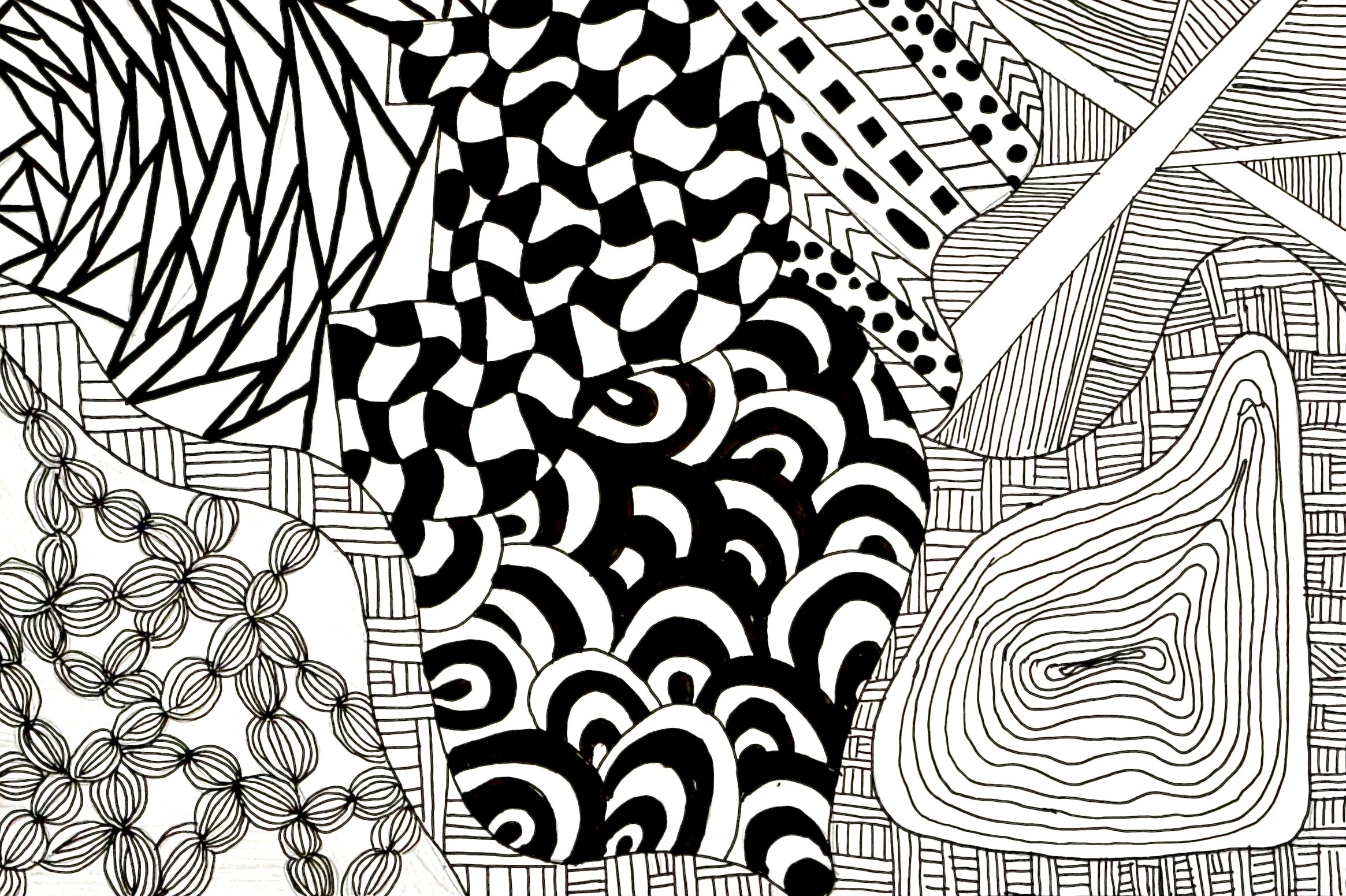

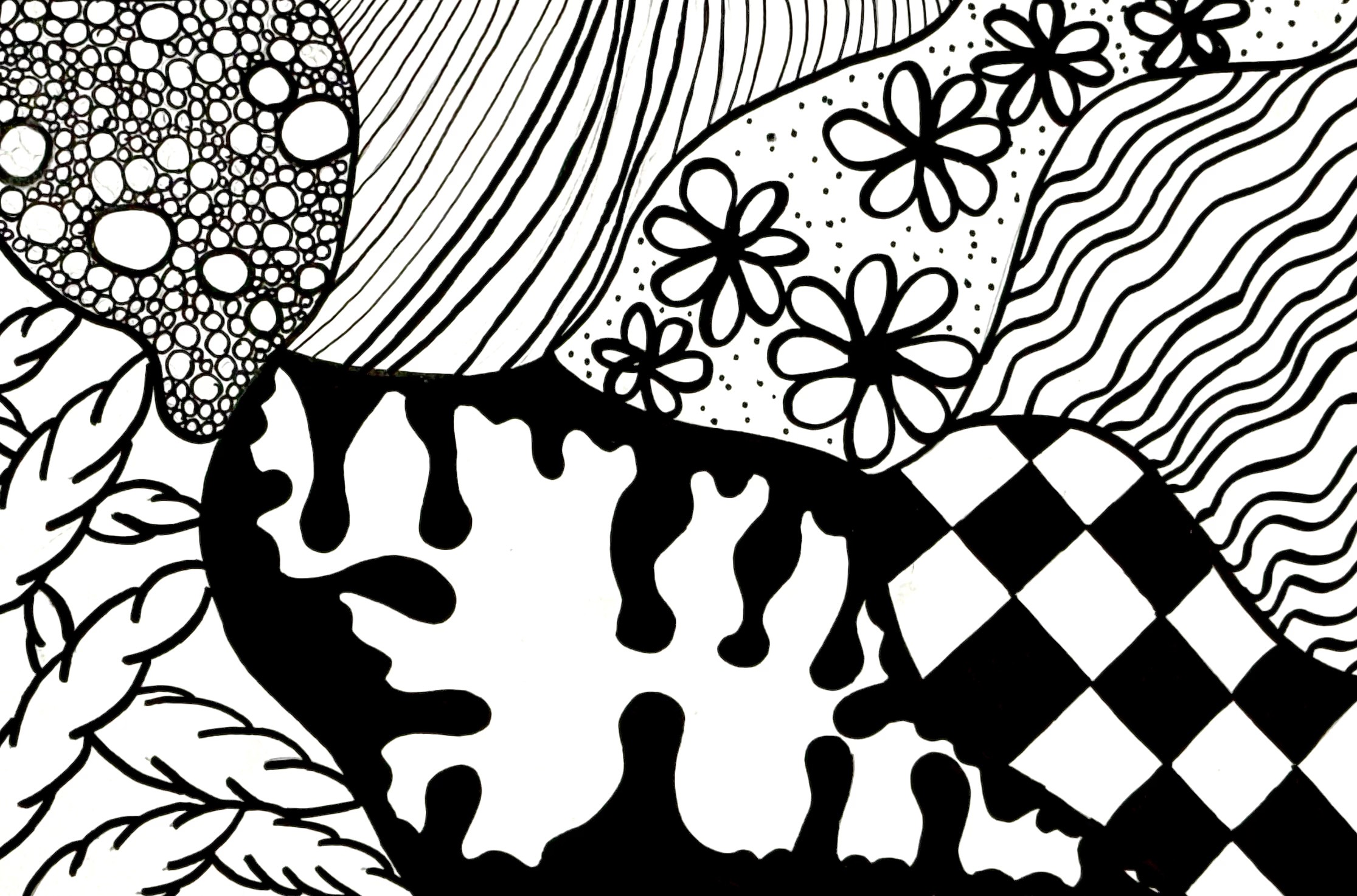
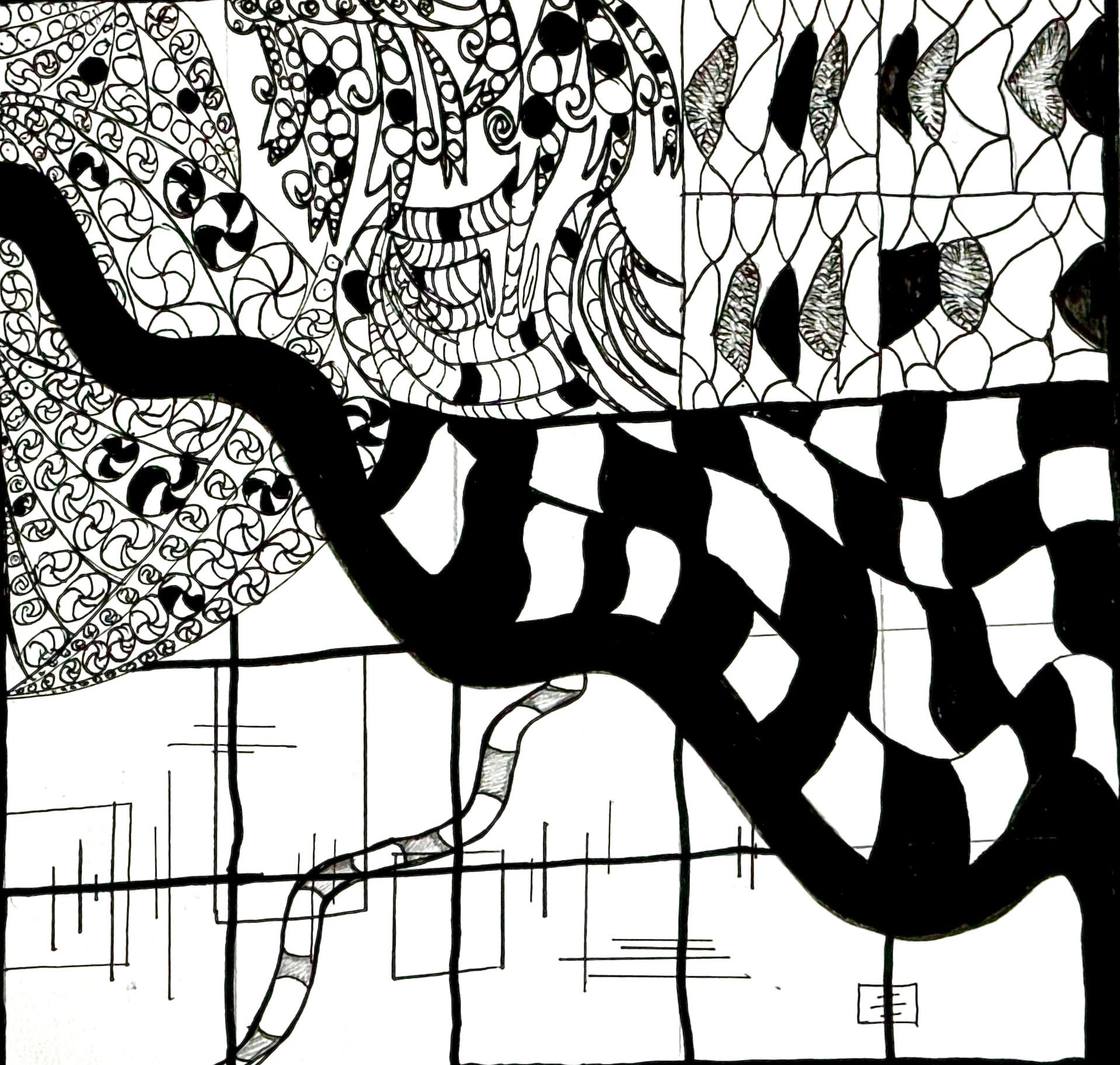
Incorporating Zentangle into our curriculum thus offered students a unique opportunity to explore organic design principles in a context that emphasized mindfulness, creativity, and personal well-being. This experience not only enhanced their artistic skills but also instilled a deeper appreciation for the natural rhythms and patterns that influence contemporary design.
 MMI Art Expanded Classroom
Leave a comment