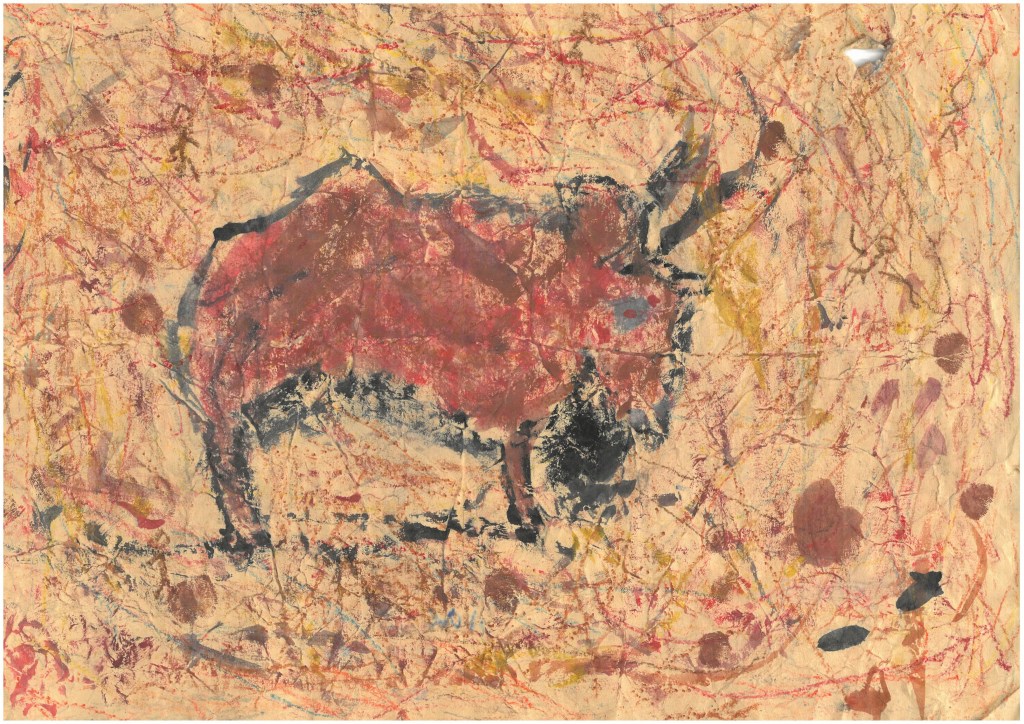
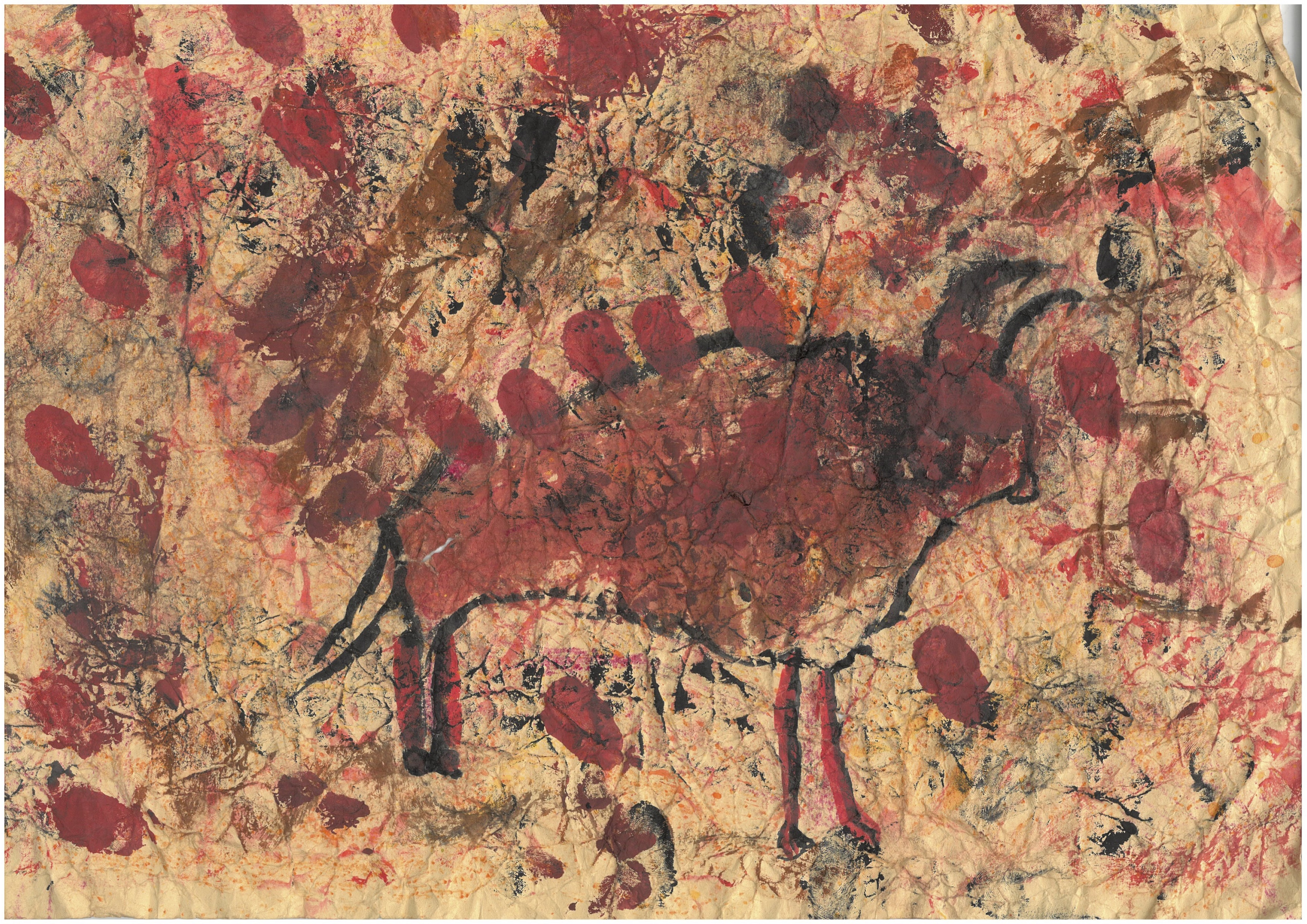
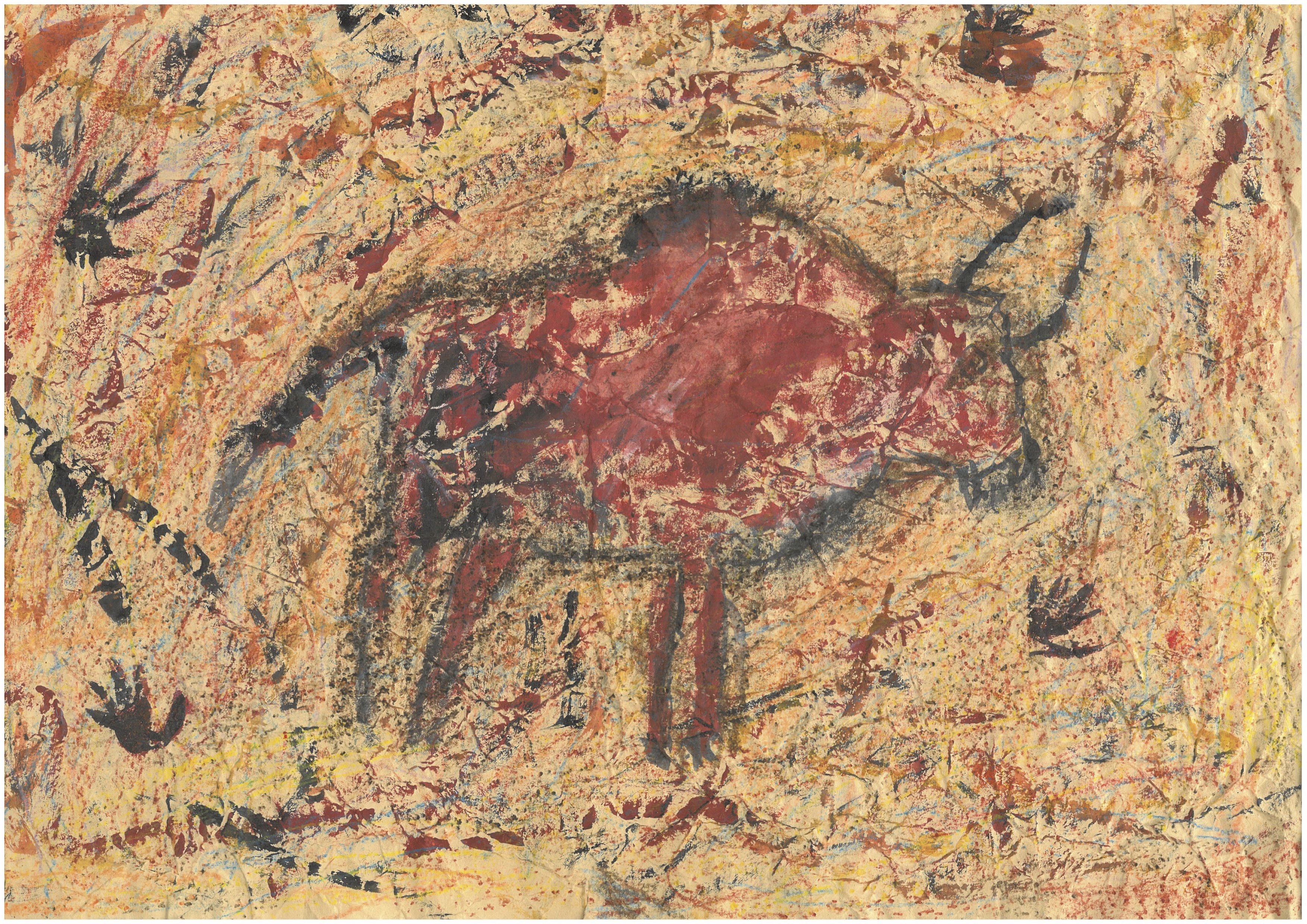
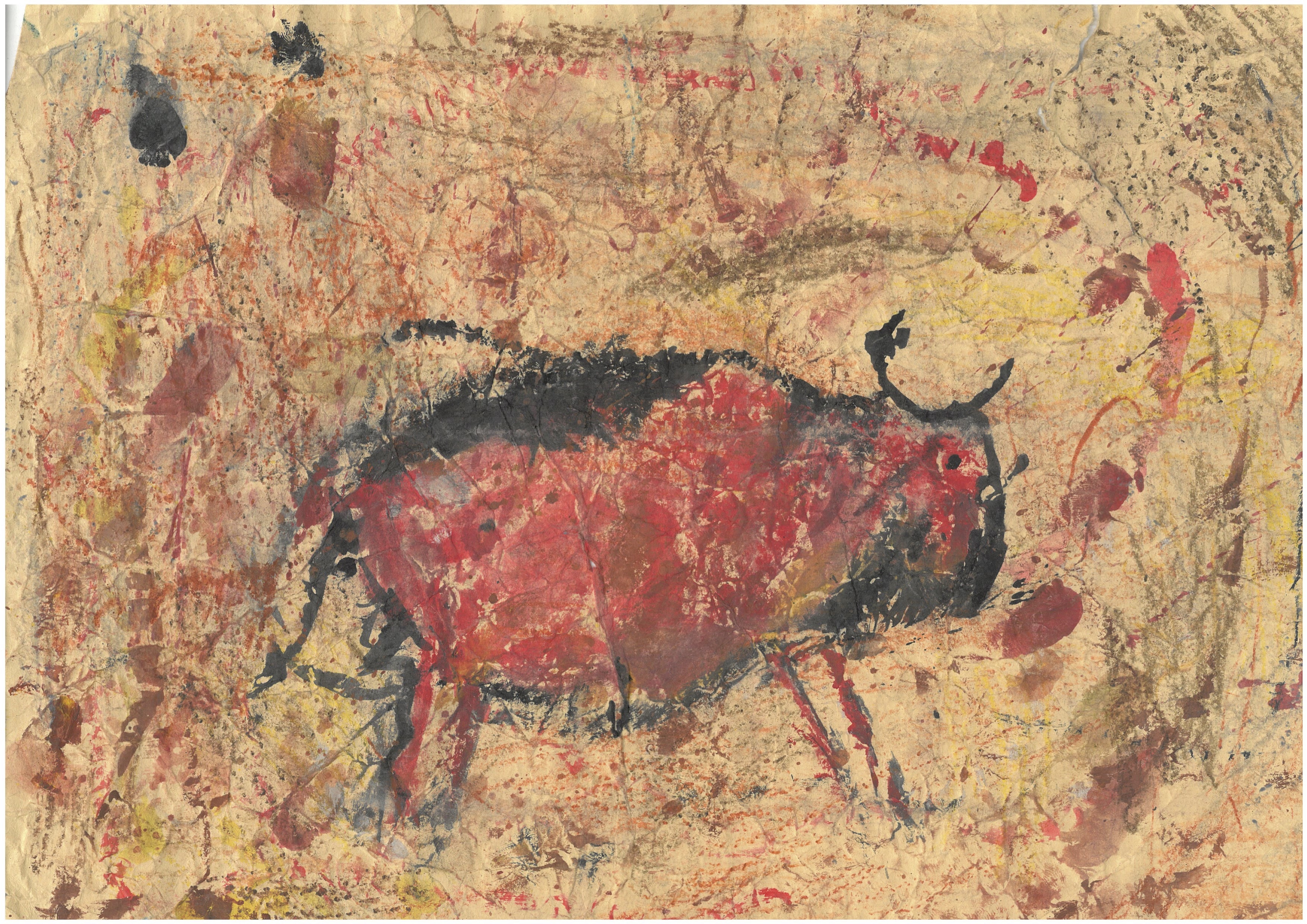
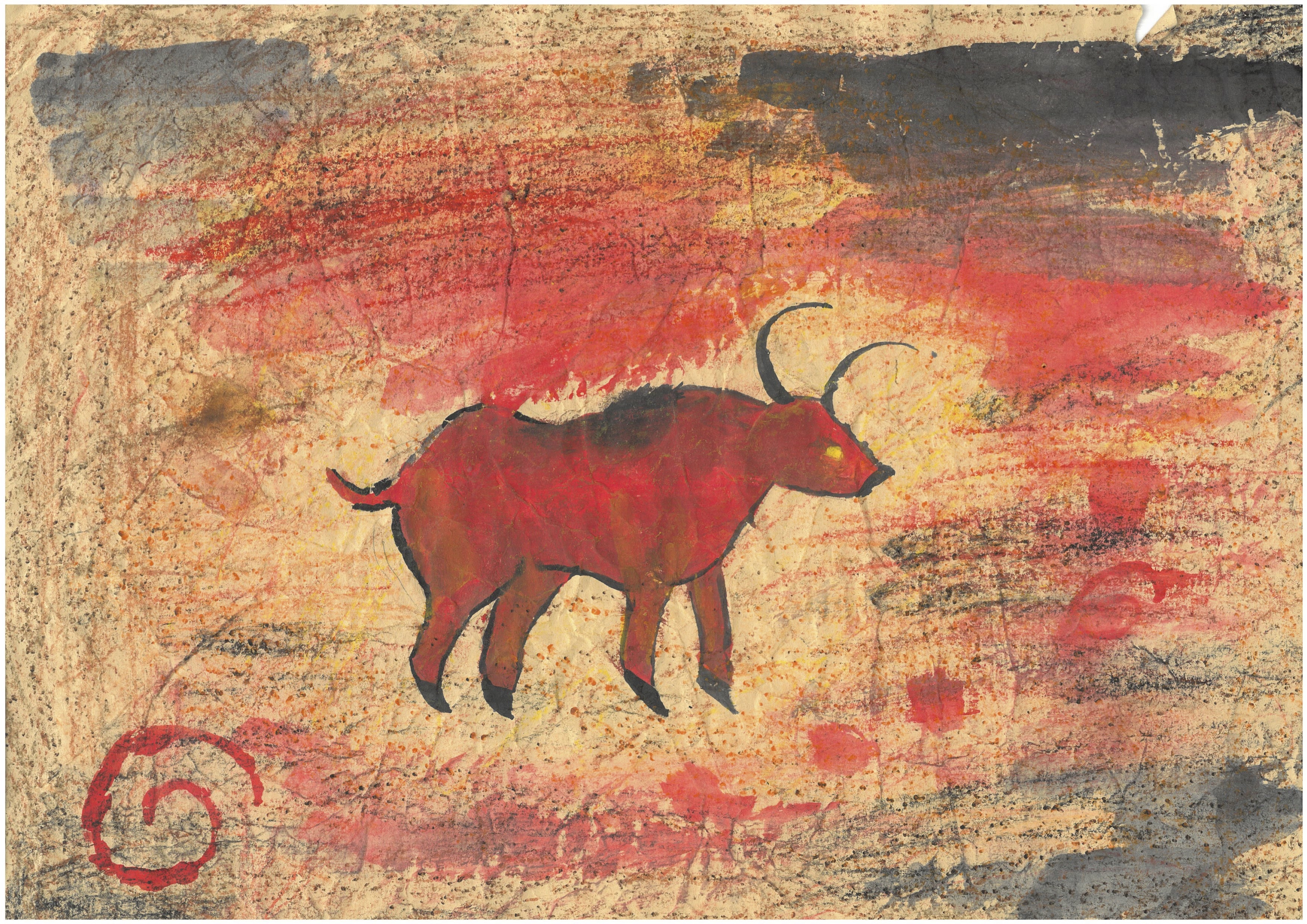
In our Art 6 class, students have been diving into the world of prehistoric cave paintings, experimenting with techniques that echo the methods of ancient artists.
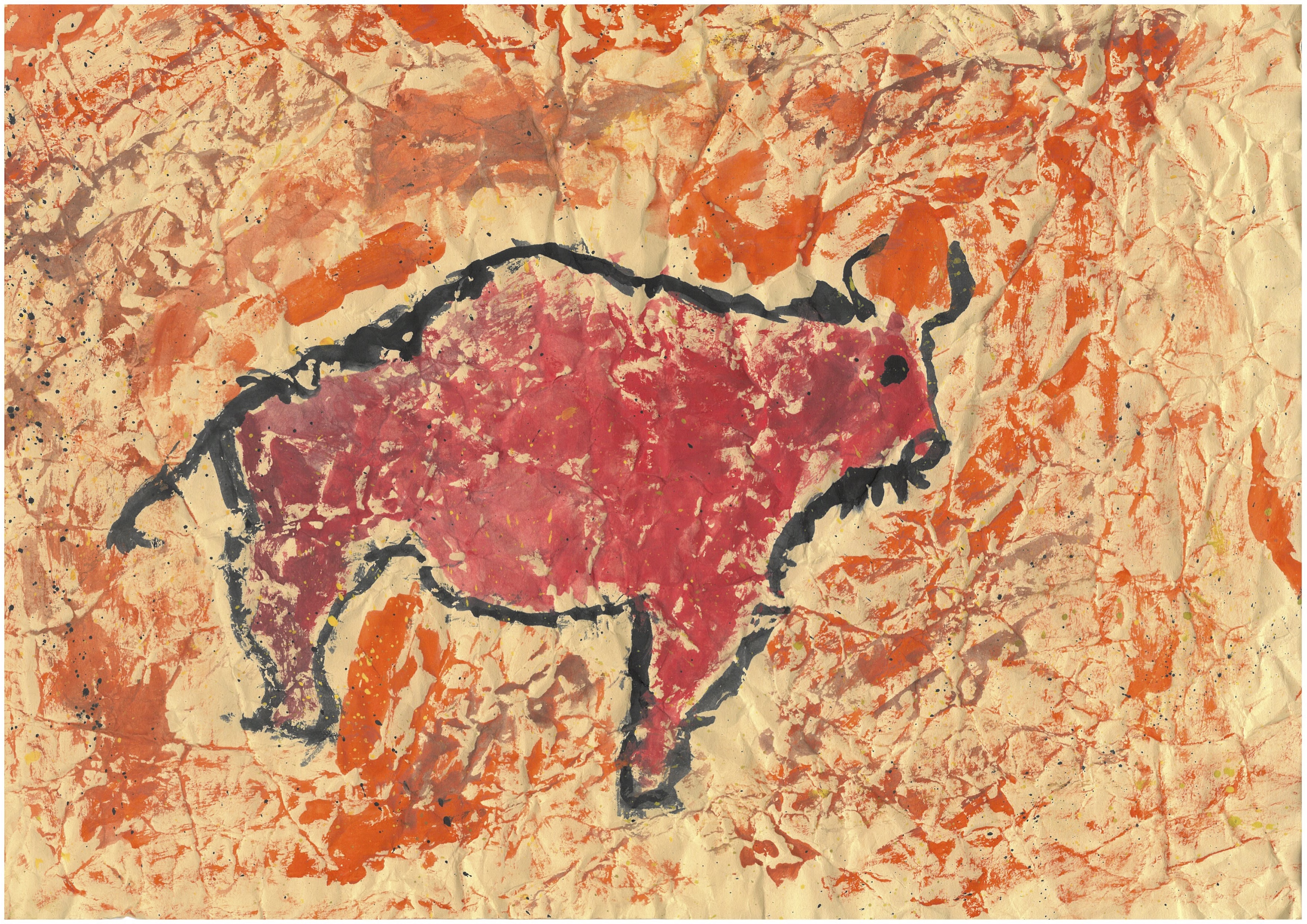
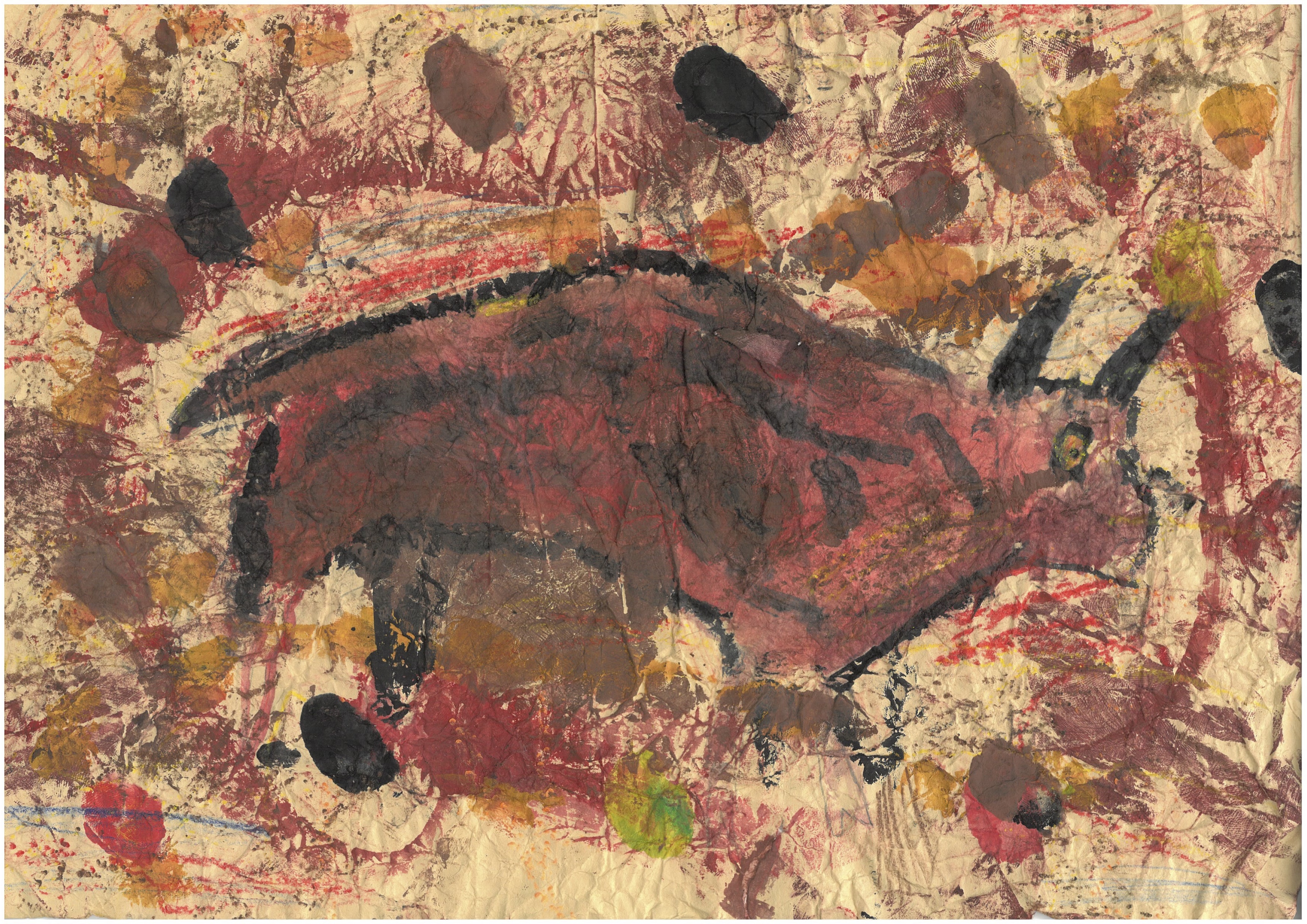
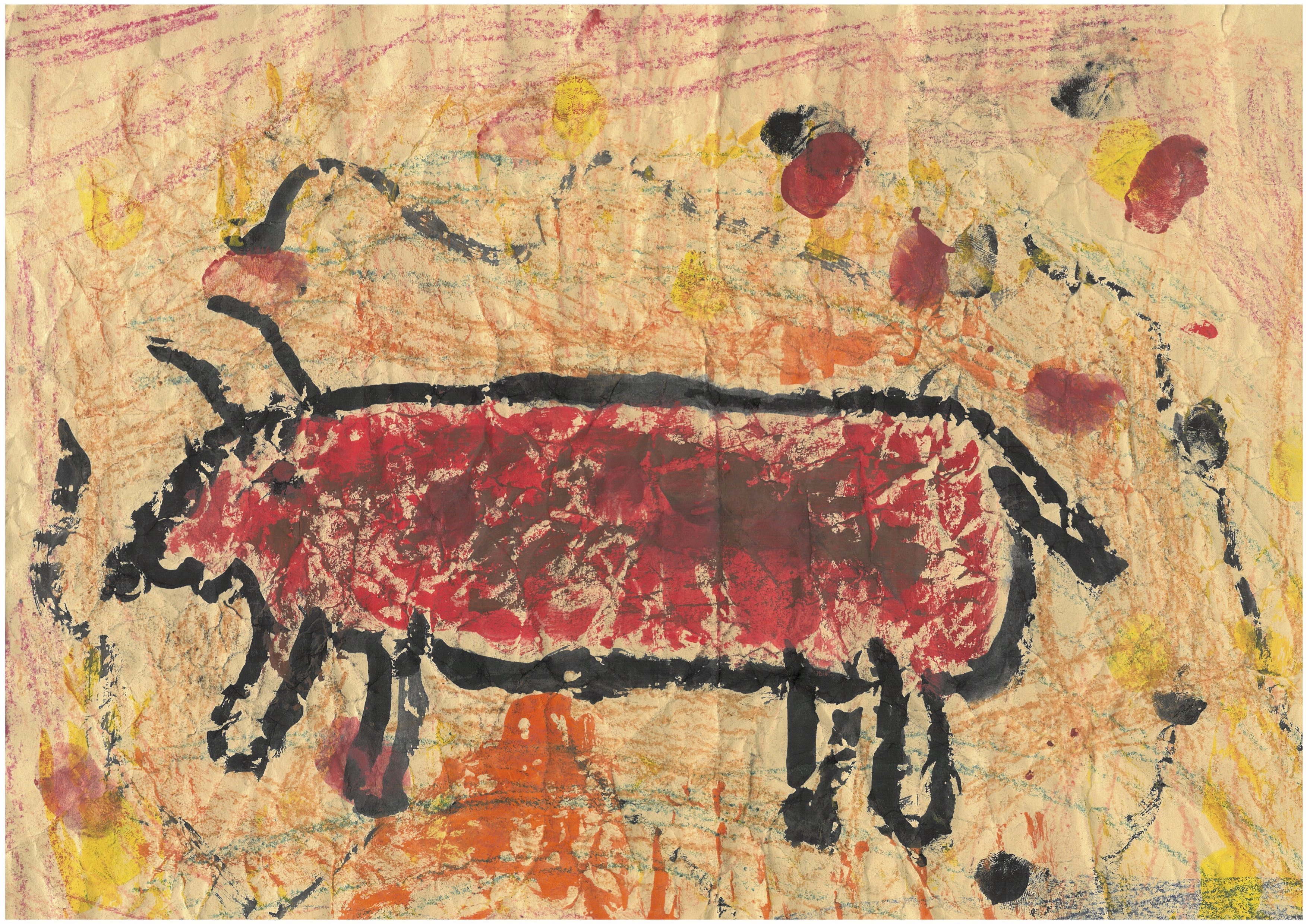
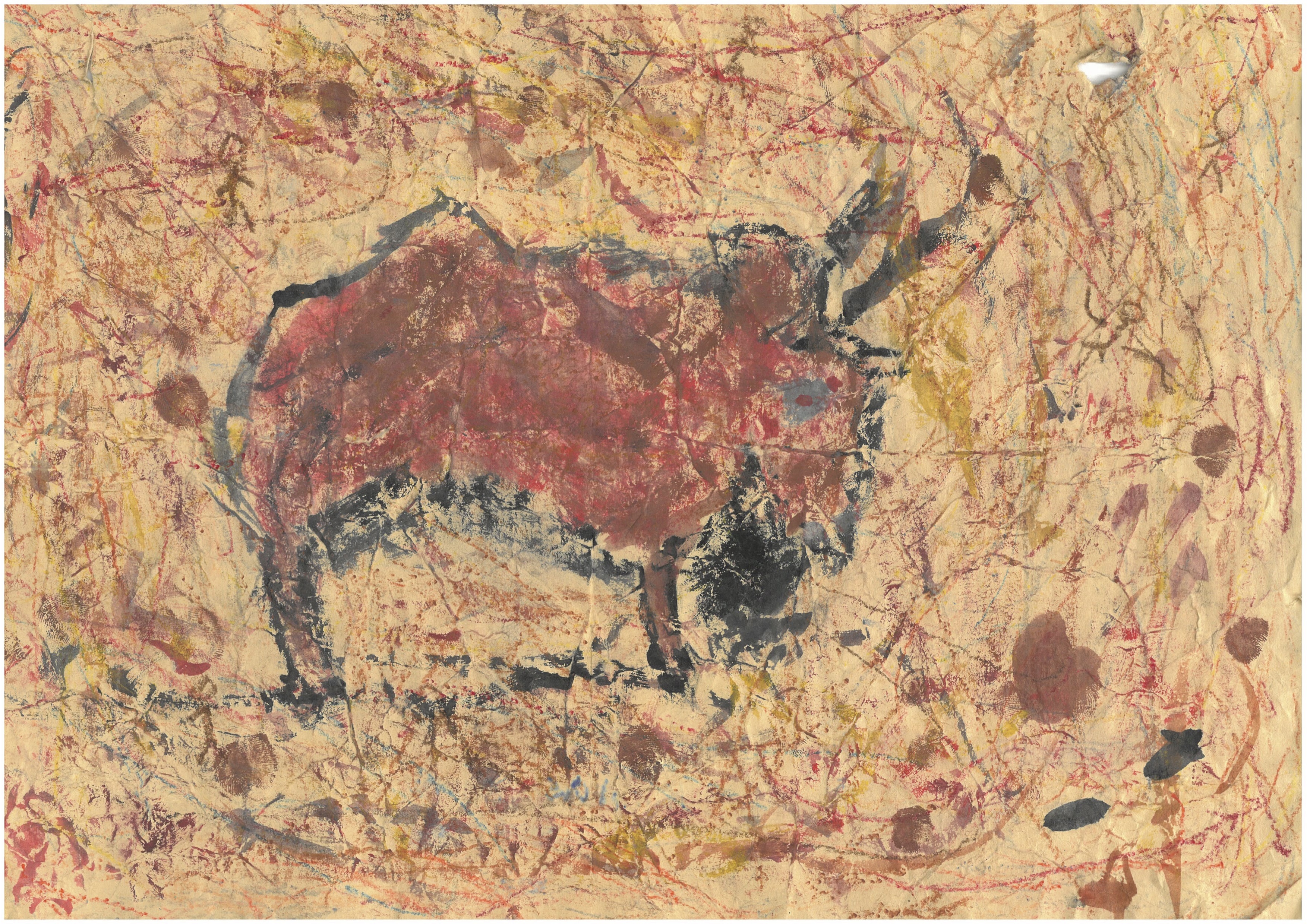
Using absorbent, crumpled paper as their canvas, they faced the challenge of rendering animal forms on the rough, uneven surfaces—just as prehistoric artists might have done on cave walls.
Students explored the wet-on-wet and dry brush techniques, paying close attention to how much paint they loaded onto their brushes. The crumpled paper created unpredictable textures, making it difficult yet exciting to control the paint’s flow. This balance between energetic, impulsive mark-making and controlled, thoughtful brushwork was a central part of the process.
To enhance the stone-like texture of their work, students also made rubbings on the old Roman road in the Fab Lab, using both crayon and colored pencil. These rubbings created additional textures, causing the paint to absorb in surprising and unpredictable ways.
While it’s impossible to fully replicate the experience of painting inside a cave, we worked with what we had—using paper, paint, and creative experimentation. This project allowed students to immerse themselves in the tactile and dynamic world of middle school art, sensitizing them to color, texture, and touch, and helping them develop both their artistic energy and control.

 MMI Art Expanded Classroom
Leave a comment