Our Visual Arts Department program includes visits to galleries, art institutions, and cultural sites that enrich our students’ art education experience.
GRADE 11 IB VISUAL ART AT THE MAXXII
1+1: Relational Art
Art as Encounter, Exchange, and Expanded Practice
Our IB Visual Arts students engaged in an intensive day of inquiry at MAXXI, Italy’s National Museum of 21st Century Art. The museum’s architecture, designed by Zaha Hadid, served as the first point of investigation. Its sweeping concrete ribbons and fluid circulation paths destabilize the conventional “white cube,” foregrounding space as an active agent in meaning-making. For IB students, this immediately raised foundational questions central to contemporary art:
Where does the artwork end and the space around it begin?
What happens when architecture becomes part of the conceptual frame?
How does viewer movement shape interpretation?
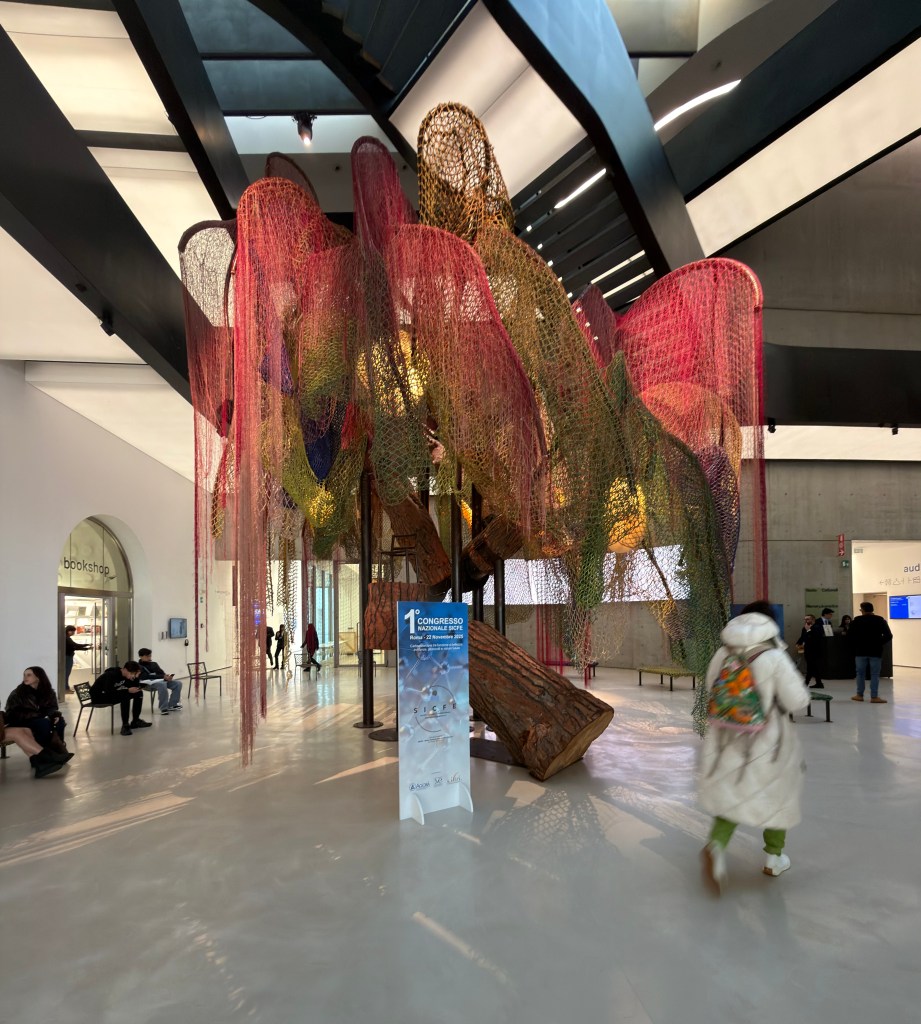
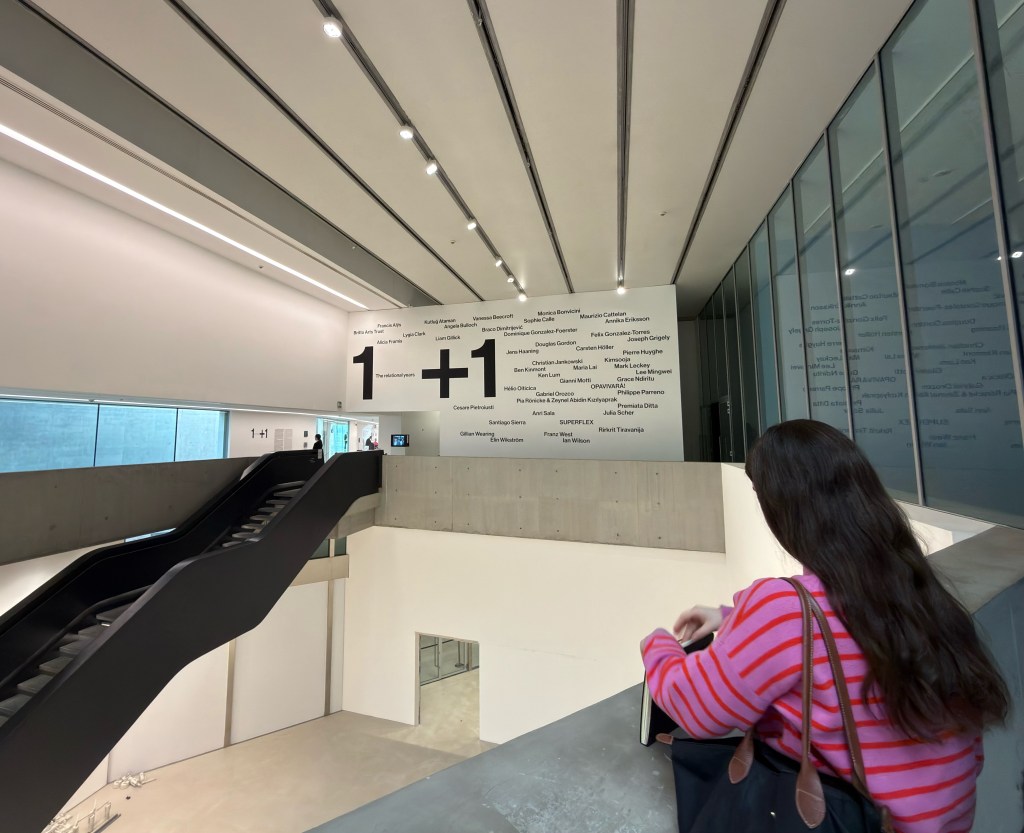

Inside the exhibition 1+1: Relational Art, curated in dialogue with Nicolas Bourriaud’s theory of relational aesthetics, students encountered artworks that challenge the assumption that art is an object fixed on a wall. Instead, they encountered art as situation, interaction, and social exchange. This shift is critical for IB Visual Arts: it provides direct exposure to practices that expand beyond material production and into the realm of experience design.
Artworks as Encounters, Not Objects
Students confronted Pierre Huyghe’s Name Announcer, in which a simple spoken name transforms entry into performance.
The artwork exists only when a viewer steps into it. This raised analytical questions that students recorded in their sketchbooks:
If a viewer activates the work, who is the author?
How do time, participation, and performance become formal elements?
Can an artwork be considered complete if it has no static form?


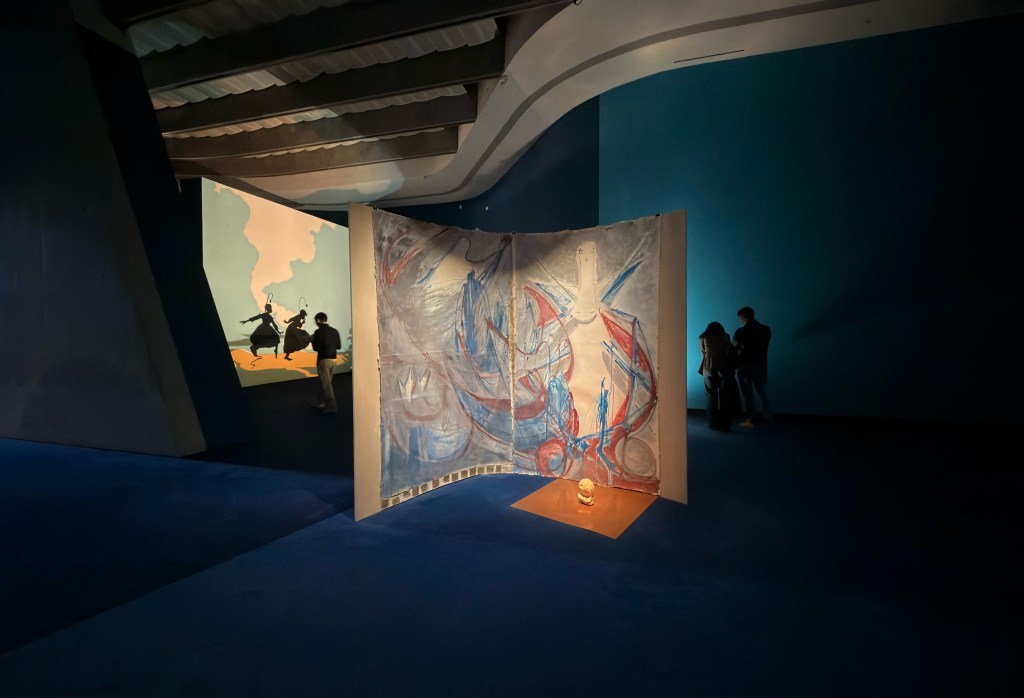
Nearby, a gallery of monumental sculpted “clouds” invited students to consider scale, light, and atmosphere as expressive tools. The subtle illumination inside the forms prompted discussions about perception: how shifting light conditions alter emotional temperature, and how installation can operate as psychological environment. One student described it as “stepping inside the weather of someone else’s memory.”
These insights directly feed the Visual Analysis and Curatorial Thinking demanded in the IB course.
Material, Community, and Social Space
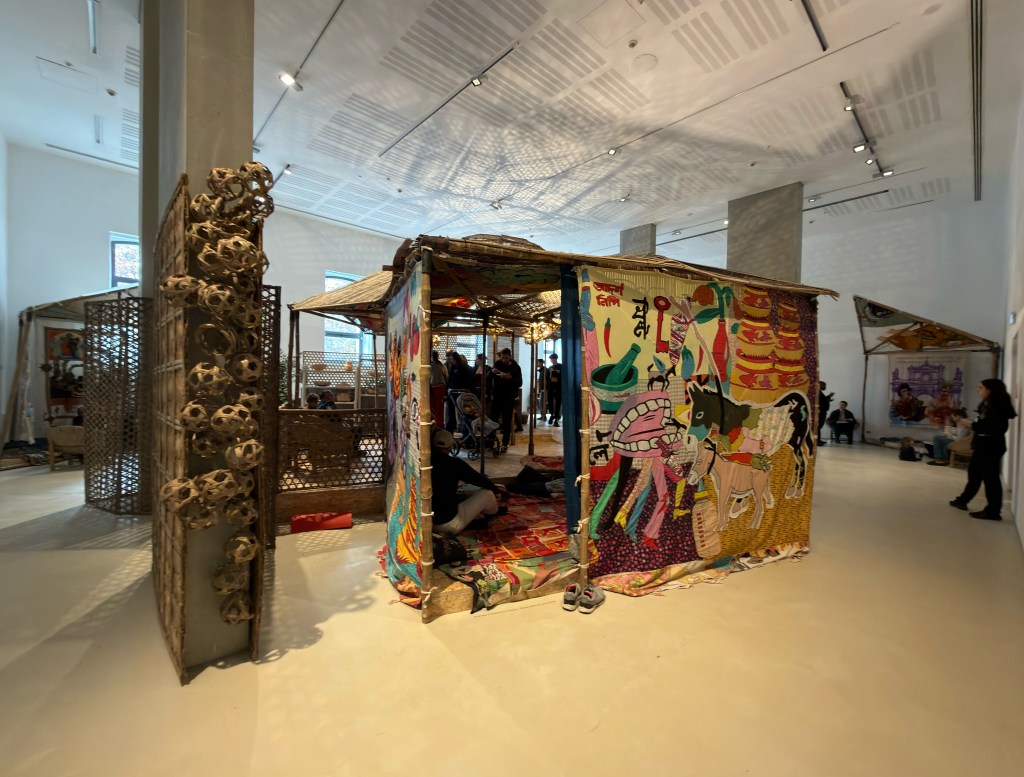


At Britto Arts Trust’s bamboo kitchen, students encountered an installation built from woven materials, textiles, cooking tools, and ambient sound, a space of hospitality rather than observation. The work foregrounded community-based practice and cultural labour. Students noted its implications for their own inquiries:
How do artists transform everyday materials into cultural critique?
What is the relationship between ritual, craft, and contemporary installation?
How do social spaces become sculptural spaces?


In another gallery, a tower of televisions displayed the faces of dozens of individuals, intimate yet monumental. Students examined how repetition constructs meaning, how portraits shift when multiplied, and how technology mediates human presence. This proved especially relevant for HL students exploring identity, representation, and the politics of visibility in their Artist Project.
Learning to See Art as System, Process, and Participation

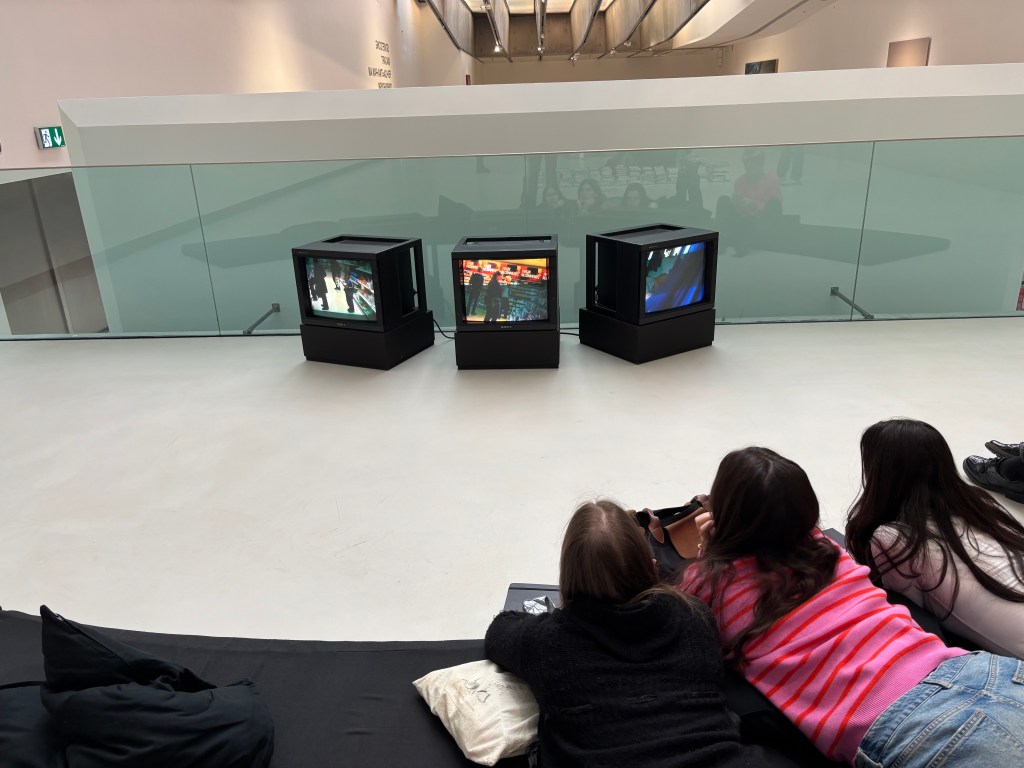

Throughout MAXXI, students encountered families interacting with installations, visitors reclining on cushions, strangers stepping into shared moments of attention. This highlighted a crucial insight:
The wall is no longer the default site for viewer interaction.
Art exists in movement, in conversation, in the choreography of bodies in space.
For IB Visual Arts, this visit offered direct academic value:
- Art-Making Inquiries Portfolio: Students gained firsthand material for investigating artists working with installation, participation, video, social practice, and experiential space.
- SL Connections Study: The visit enriched students’ understanding of artistic context, allowing them to examine how contemporary artists situate their work within political, social, and architectural frameworks.
- HL Artist Project: Students observed how artists structure encounters, manipulate atmosphere, and design works that unfold through viewer engagement—essential models for inquiry-led practice.
Inquiry Questions Emerged from the Visit
Students developed a set of open-ended questions to guide further investigation:
- How does an artwork change when its medium is human presence?
- In what ways can space function as material?
- How do viewers become co-authors of meaning?
- What ethical considerations arise when art relies on participation?
- How might relational or immersive practices expand my own visual arts portfolio?


A Studio Without Walls
By the end of the day, the museum had become a laboratory of ideas. Students photographed, sketched, wrote reflections, mapped spatial flows, and sat in stillness to analyse how meaning emerged in real time. MAXXI offered not only artworks, but methodologies, ways of thinking, seeing, and questioning that align powerfully with the aims of the IB Visual Arts programme.
This visit did not merely expose students to contemporary art; it shifted their sense of what art can be.
Curating Meaning – Grade 12 IB Visual Arts in the Roman Contemporary Scene
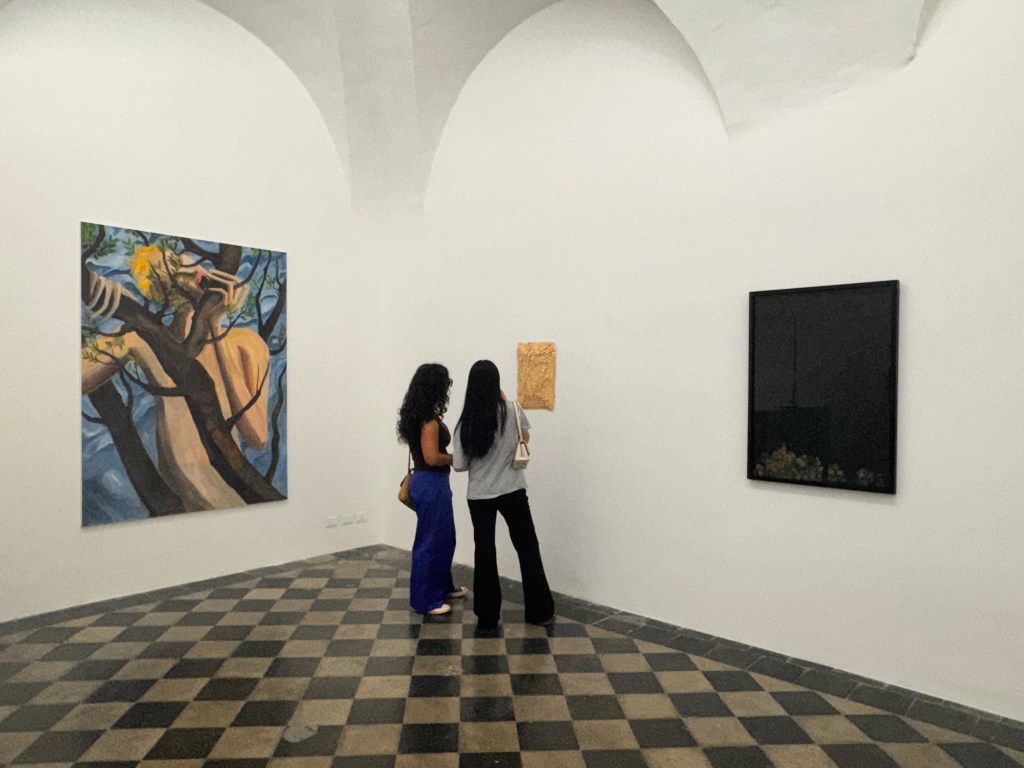
Our Grade 12 IB Visual Arts students stepped out of the studio and into the living anatomy of contemporary art during visits to Galleria Uno Su Nove and Galleria Lorcan O’Neill. These encounters moved beyond passive observation, asking students to deconstruct how exhibitions think, how meaning is not merely displayed but generated through sequencing, adjacency, and material dialogue.
In each space, students examined the syntax of the exhibition: how one work’s colour field prepared the eye for another’s restraint; how a textural shift, from impasto to graphite, from glazed surface to raw linen, altered emotional register. They analysed, at a granular level, how a painting’s structure, its compositional rhythm, and the density of its pigment carried intention and ambiguity in equal measure.
Through discussion and close looking, they explored how curation functions as an extension of artistic language, how the placement of a sculpture in relation to a gestural painting can sharpen both through contrast, how negative space becomes active, how light and sightline dictate the viewer’s tempo of encounter.
A highlight was curator Giulia Tornasello’s generous walkthrough at Uno Su Nove, where she unpacked the silent decisions behind exhibition flow, material kinship, and visual pacing. Students witnessed how every wall, every interval, and every surface participates in the act of meaning-making.
These experiences affirmed the IB’s belief that art is not simply made, it is curated into being. Our students returned to their studios newly attentive to the architecture of their own practice: to how material, gesture, and placement together become language.


IB Art Students Explore La Biennale di Venezia!
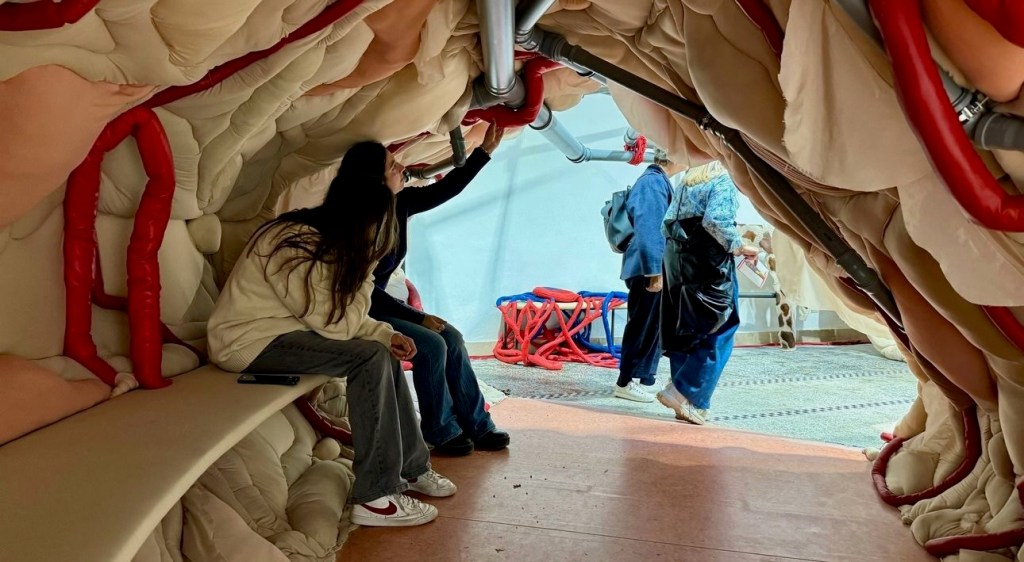
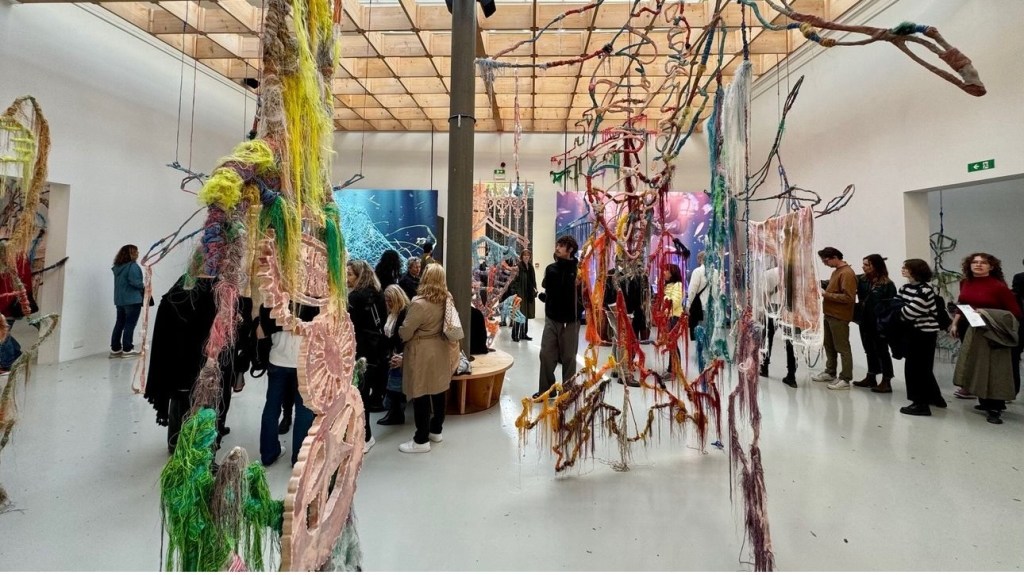

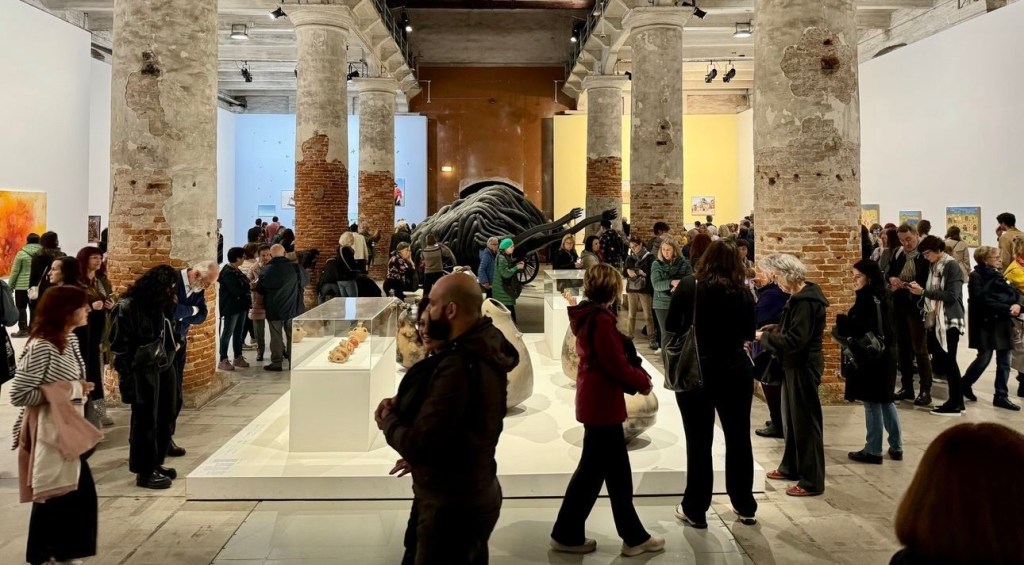
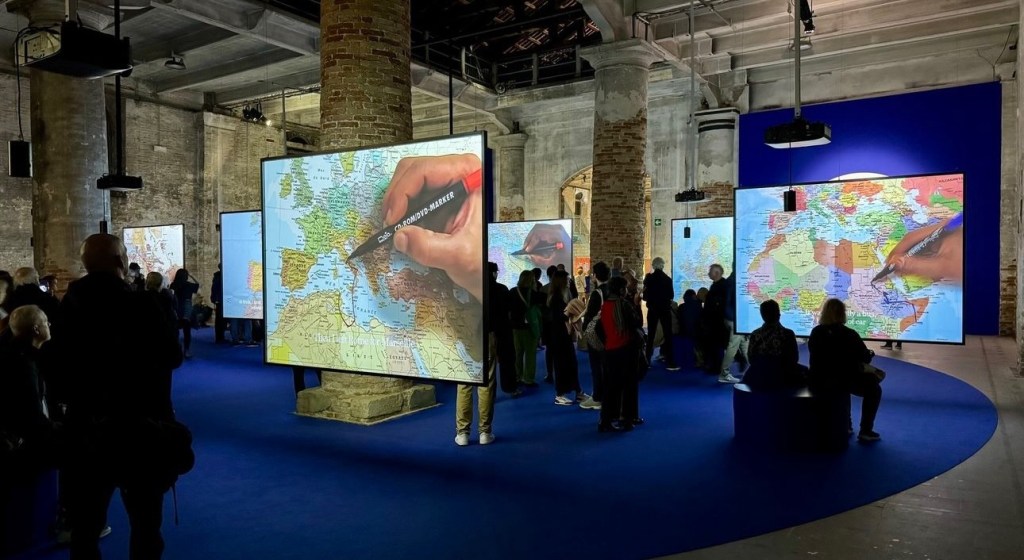
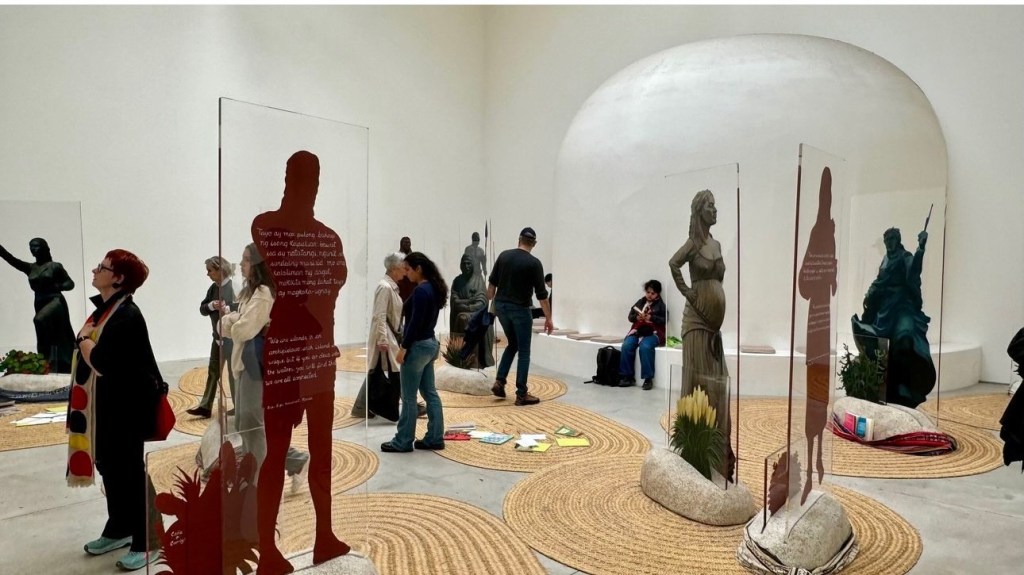
From October 17th to 19th, 2024, our IB Art students had the privilege of attending the prestigious Venice Biennale, an event that immerses visitors in the electrifying world of contemporary art. This experience was more than just a visit—it was an opportunity to reflect, connect, and dive deeply into the provocative and challenging ideas that define global artistic practice today. With each step through the pavilions and galleries, students were not just observers but active participants, tasked with engaging critically with the artworks, their presentation, and their broader implications.
As encouraged them before they left, the Biennale is not only a visual feast but also a platform for deeper reflection. Our students explored how artists use space and innovative methods of presentation to challenge perceptions, recognizing that the way art is displayed significantly impacts the viewer’s experience. They were also asked to consider their own role as viewers—how their personal interpretations contribute to the work’s meaning, and how they were emotionally or intellectually impacted by the art.
In line with the IB Visual Arts assessment criteria, this experience prompted students to investigate how contemporary art operates on both a personal and global level, fostering connections between individual narratives and societal issues. They reflected on how materials and methods shape the stories that art tells, preparing them for the rigorous demands of the IB curriculum, where critical thinking and conceptual depth are essential.
The Giardini provided a reflective space for students to pause, gather their thoughts, and sketch out new ideas, encouraging them to synthesize what they had seen with their broader learning. Engaging with their peers, including students from London, allowed for rich discussions that broadened their perspectives and deepened their understanding of the artworks.
Returning from this transformative experience, our students are energized, having embraced the challenges of the Biennale with curiosity and openness. They now bring back with them a wealth of insights and inspiration that will significantly influence their creative processes and critical reflections in the months to come.
#MarymountRome #LaBiennalediVenezia #IBArt #CreativityUnleashed #CriticalThinking #ProcessOverProduct #IBVisualArts
Infinity
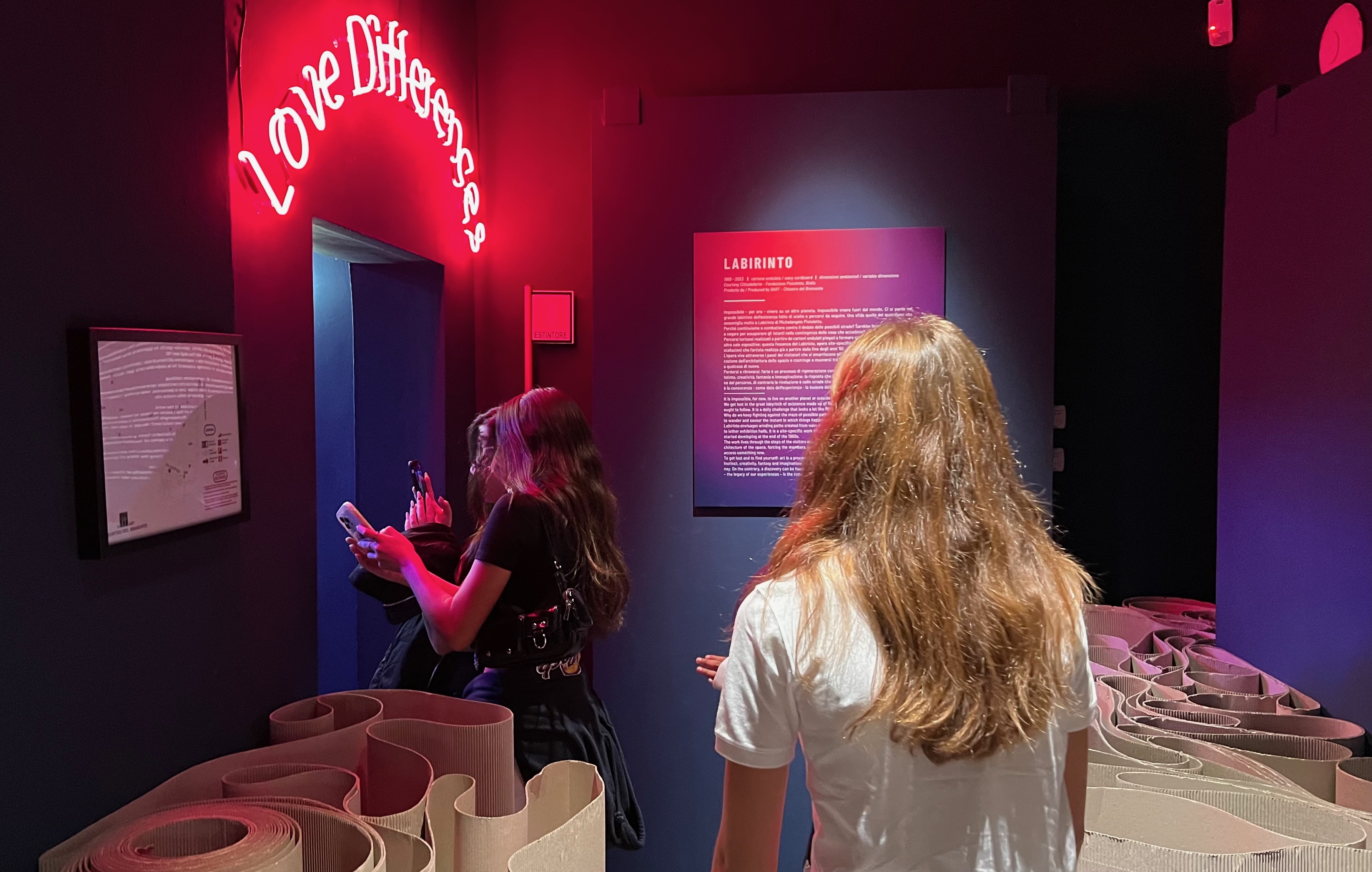
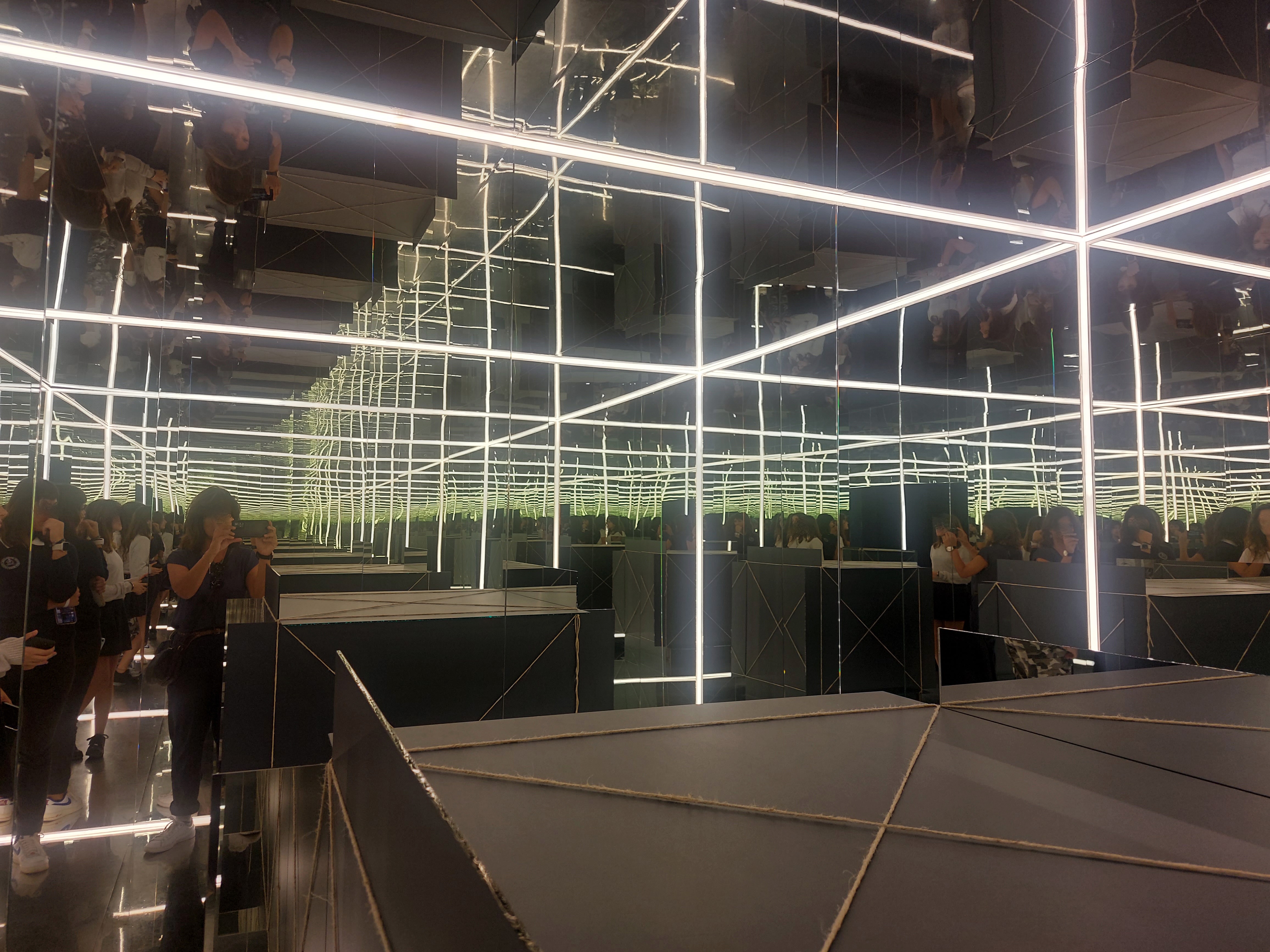
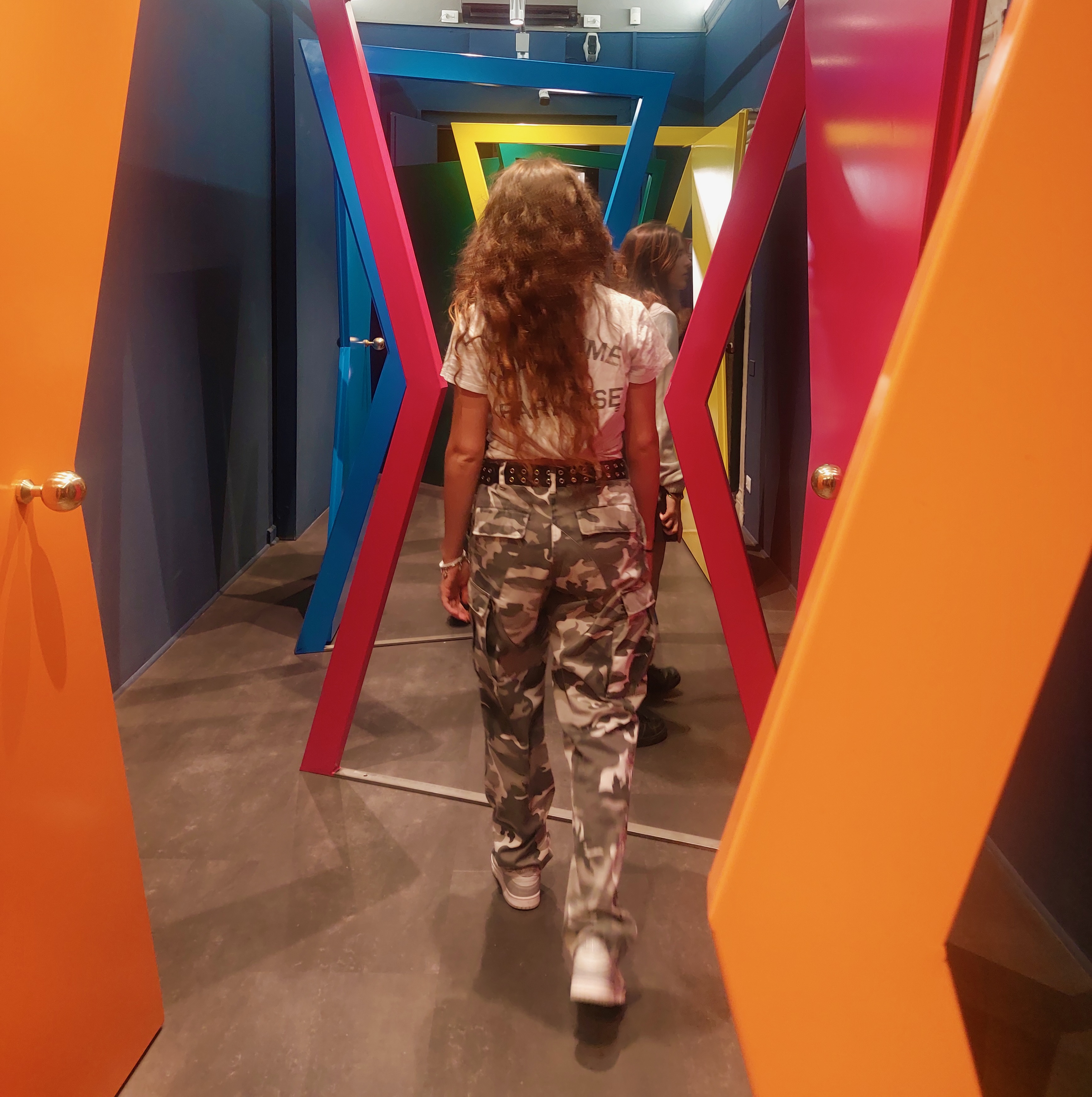
Our IB cohort 2023/2024 visited the Michaelangelo Pistoletto exhibition ‘Infinity’ at the Chiostro del Bramante.
Curated by Danilpo Eccher, ‘Infinity’ brings together 60 works of art, four site-specific installations.
The exhibition is a deep dive into the iconic art of Michelangelo Pistoletto, spanning from 1962 to 2023.
Pistoletto’s art offers endless ways of viewing, interpreting, and reshaping reality. The exhibition encapsulates the many facets of the artist, demonstrating his transformative approach to self-representation.
The curator describes it as “a collective exhibition of a single artist,” echoing the artist’s sentiment: “in diversity I multiplied myself.” Therefore, at the Chiostro del Bramante, Michelangelo Pistoletto embodies INFINITY, capturing the boundless nature of art.


Love is Art
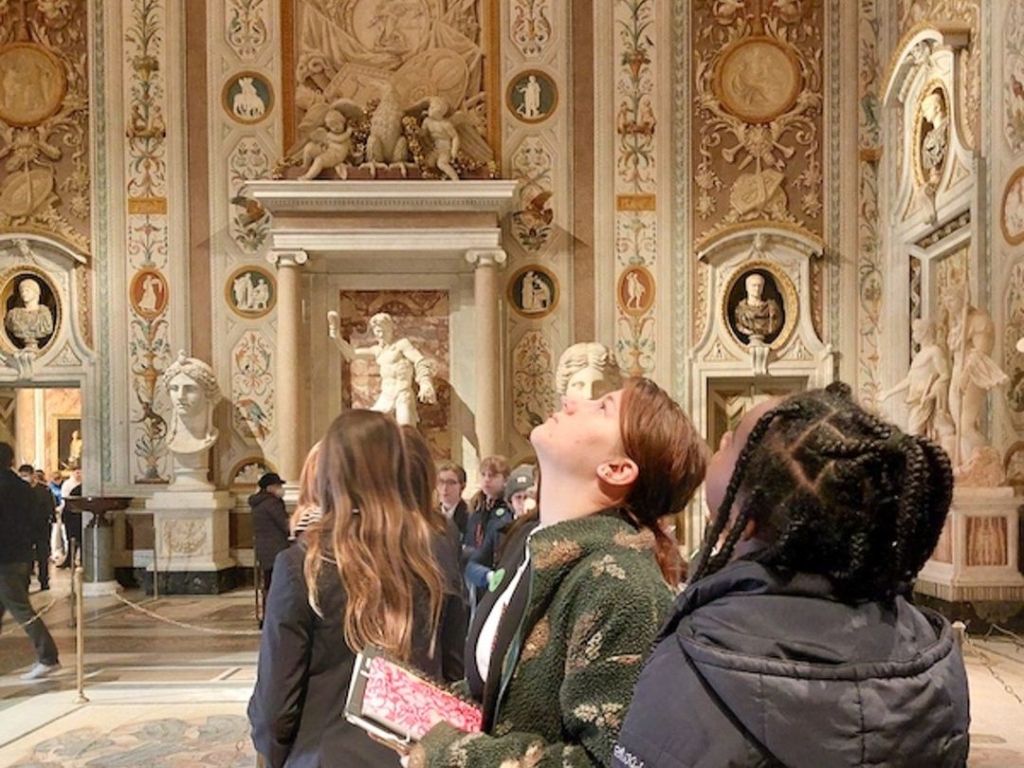
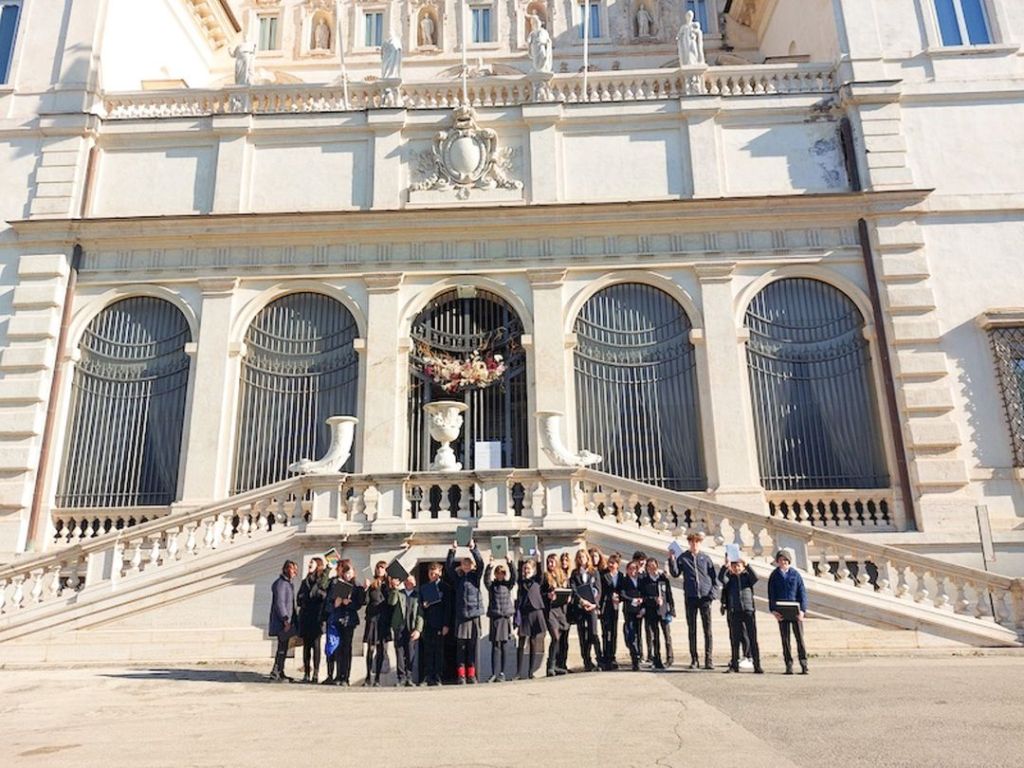
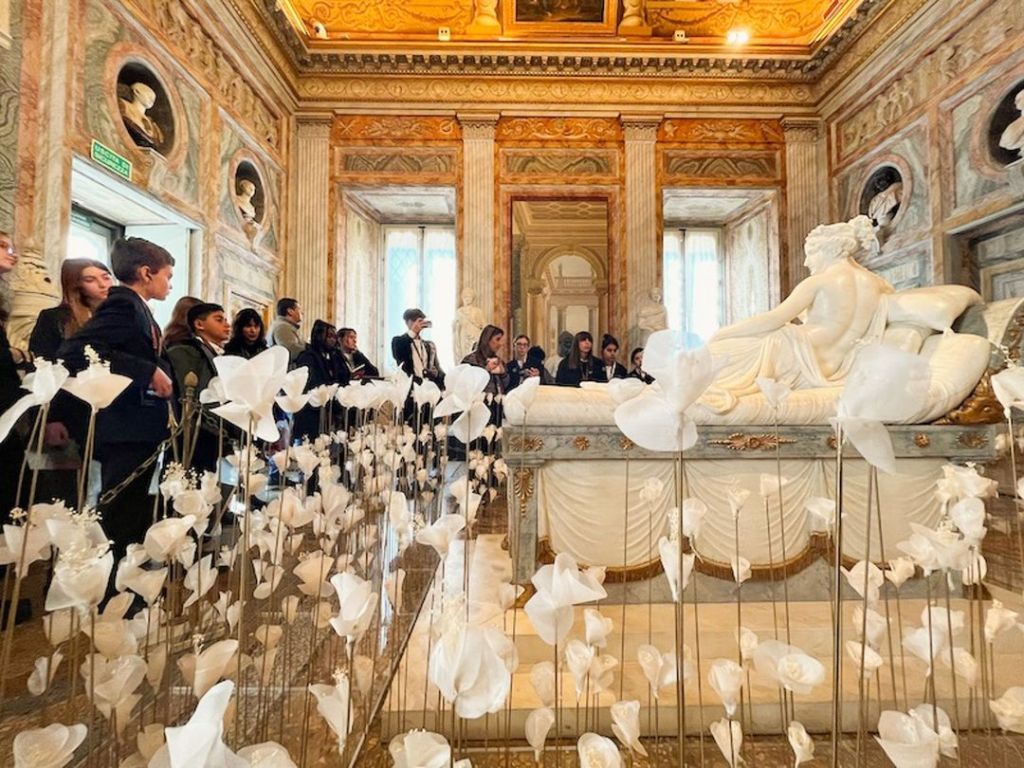
A group of Middle School students enjoyed a sketchbook guided tour of the Galleria Borghese, one of the most renowned art galleries in the world situated in Rome’s beautiful Villa Borghese. Students were able to enrich their learning by finding out more about some of the most impressive and influential paintings and sculptures from the Roman, Renaissance and Baroque periods. They were also strongly encouraged to develop their drawing skills and had the unique opportunity of sketching masterpieces by Bernini, Caravaggio and Canova firsthand. As a Middle School student recently wrote in their sketchbook: Love is Art!


Fondazione Pastificio Workshop
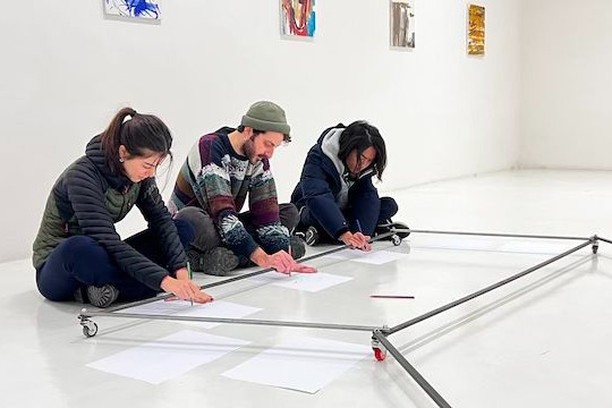
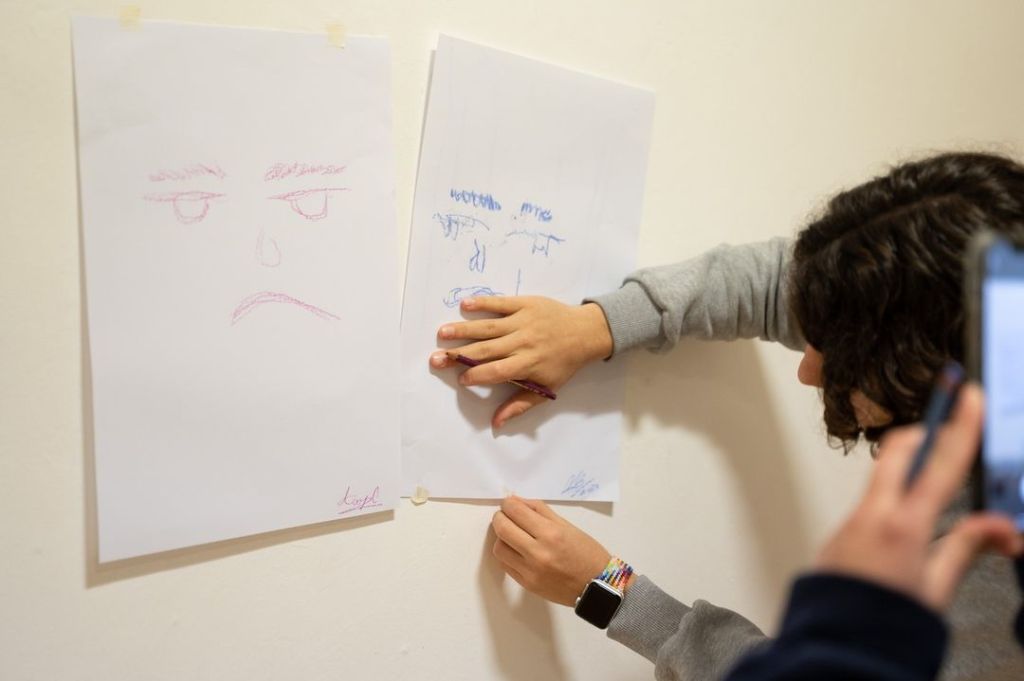
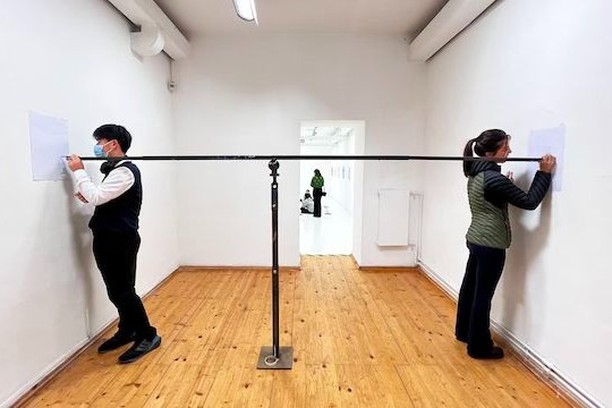
A group of our High School and IB Art students took part in an inspiring artist-led workshop and guided tour at the @fondazionepastificiocerere in Rome’s vibrant San Lorenzo neighborhood. After viewing contemporary artist Marco Emmanuele’s “Amici o Pittori” (“Friends or Painters”) project, our students had the wonderful opportunity to work alongside him in a “relational painting” workshop and use his unique drawing machine invention. This particular machine creates a dialogue between participants as an intrinsic part of its form, turning practice into a relational and collective listening experience.
This fun and dynamic art enrichment experience allowed our students to examine their own art making processes as well as consider the vocational aspects of life as contemporary artists.





Crazy
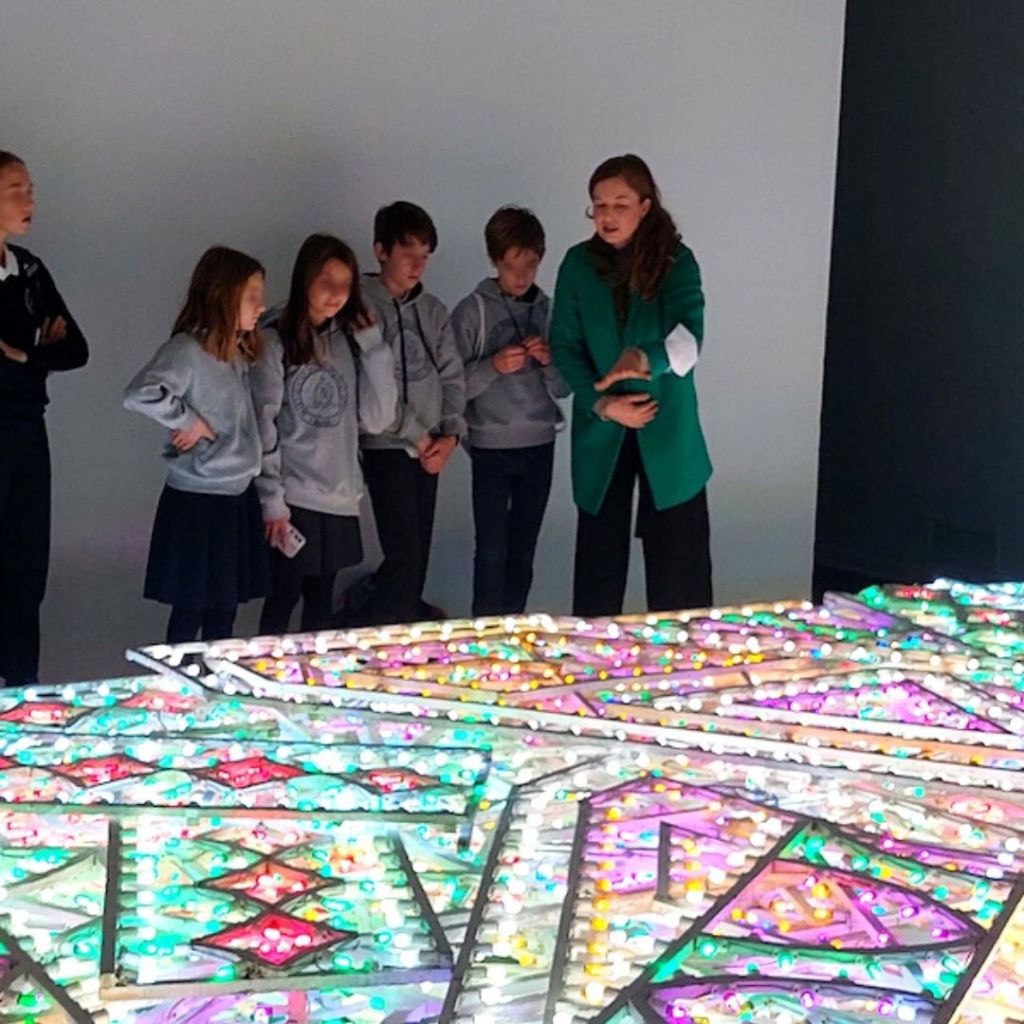
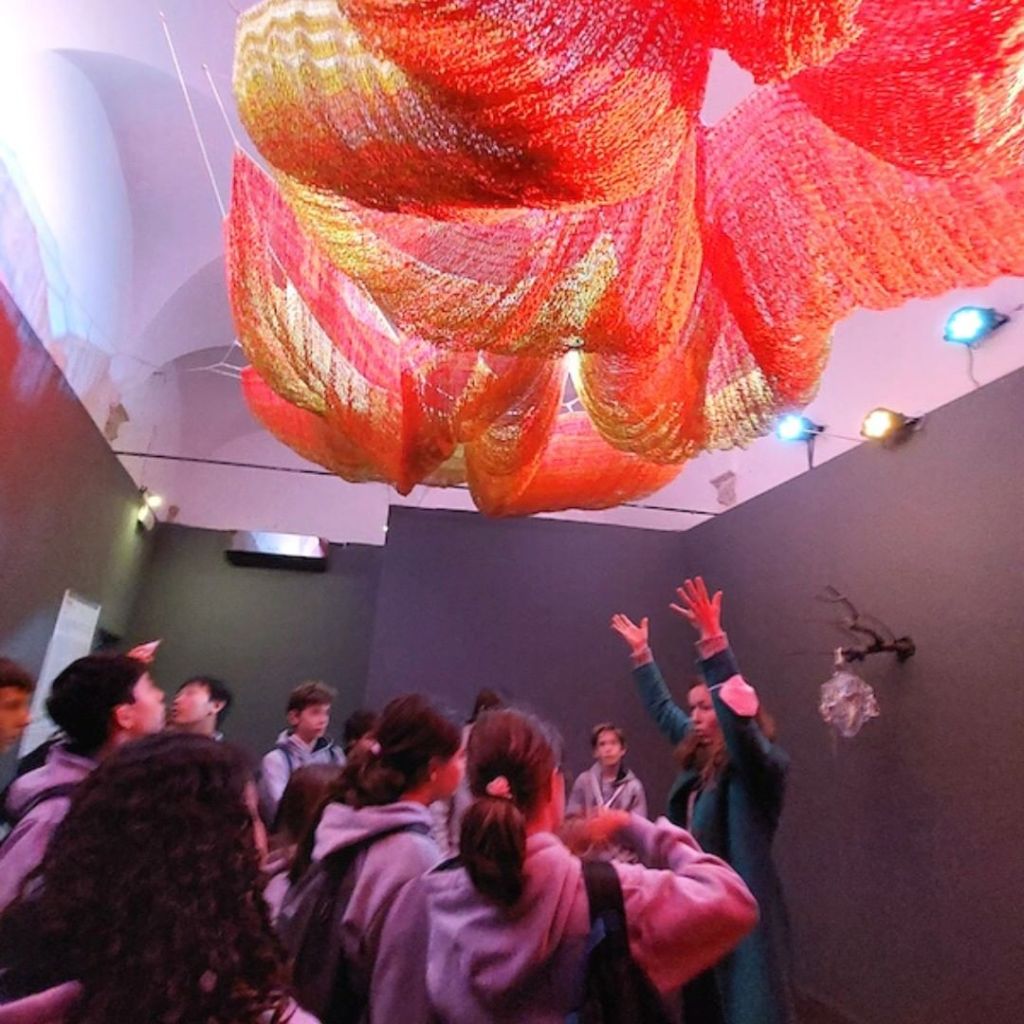
A group of Middle School students enjoyed a trip to the Chiostro del Bramante’s “CRAZY” exhibition today. They were invited to think about contemporary art in fresh ways and how different forms of site specific installation can make them feel. In addition to considering art from new perspectives, students also performed some of the artworks in a fun communication activity staged in the gallery space!



LATEST STORIES
-
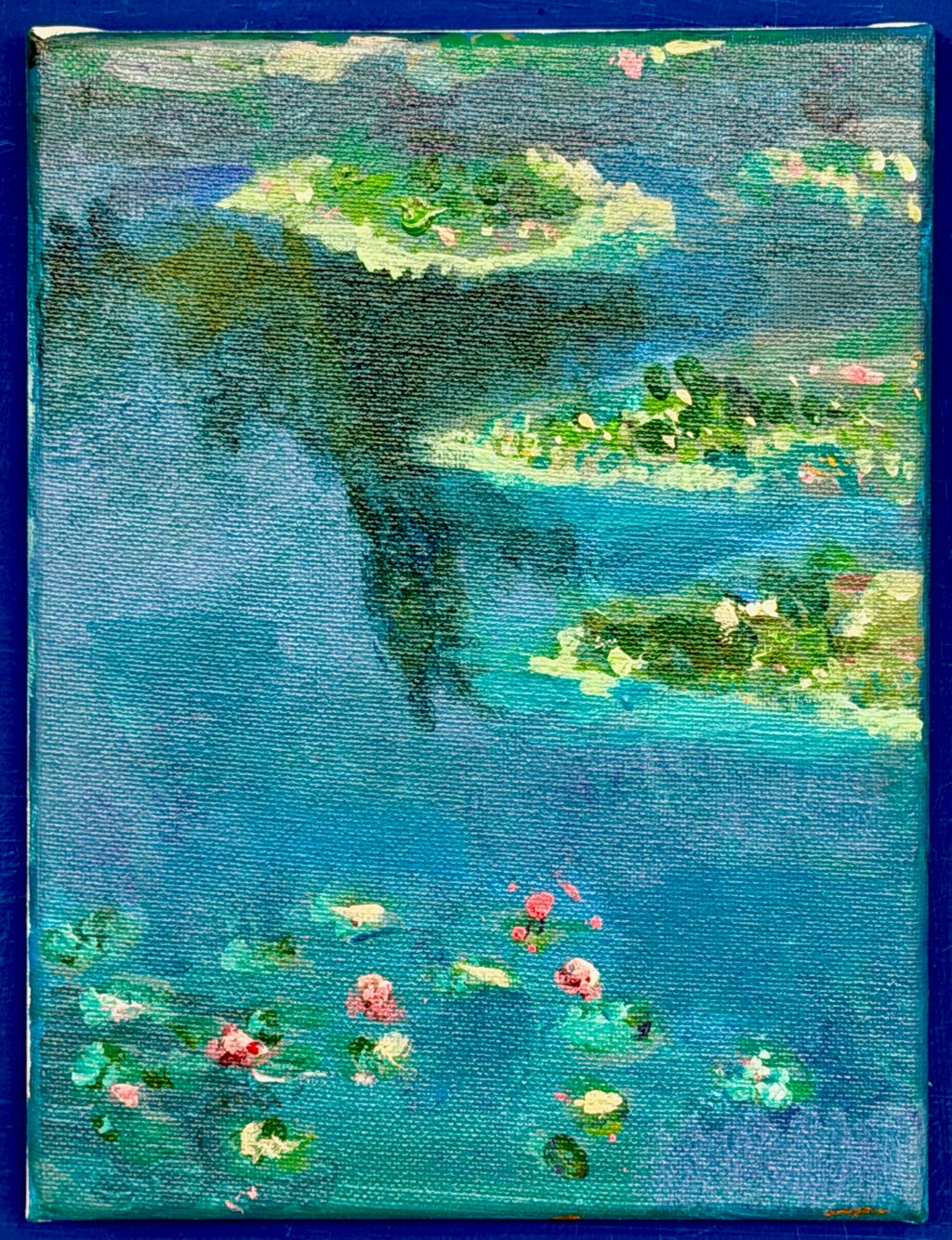
Grade 8 Impressionism: Painting Light, Colour, and Atmosphere
-
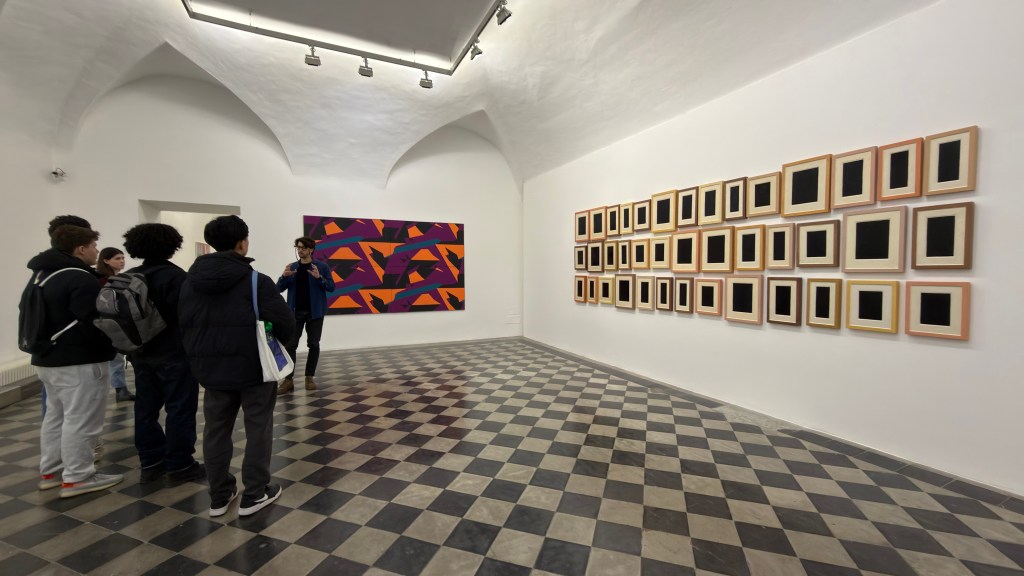
IB Grade 11 Visual Arts at Rome’s Contemporary Galleries
-
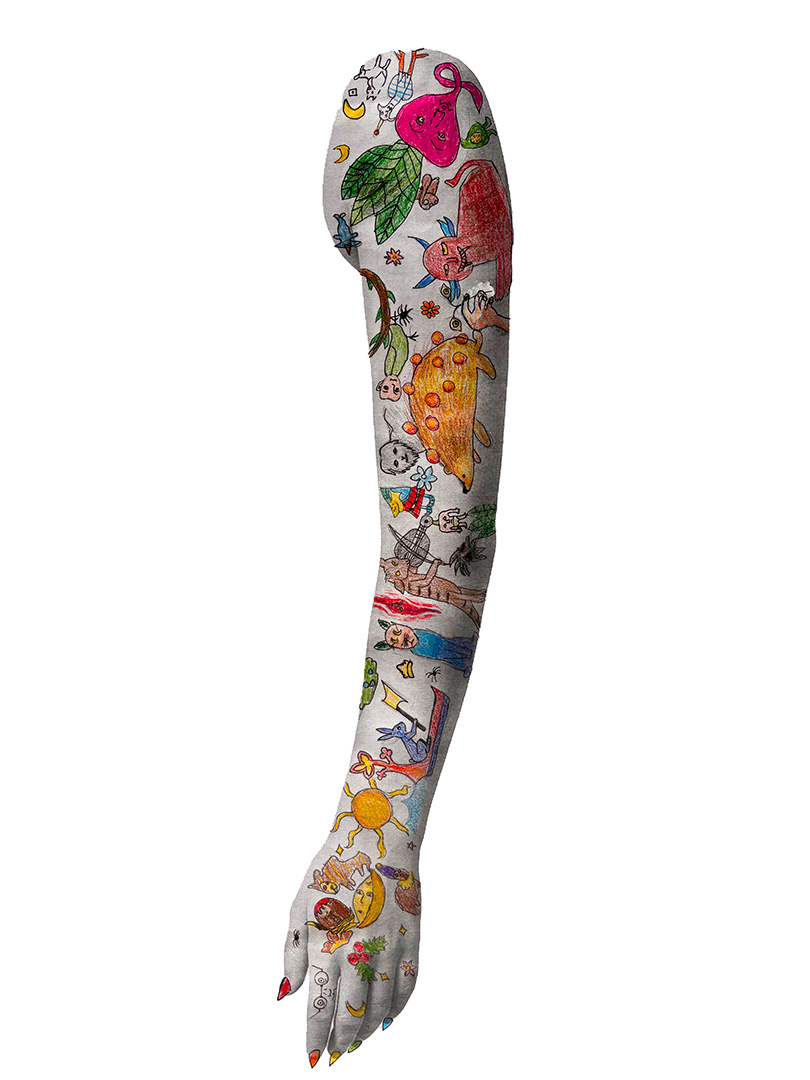
Weird Details: Medieval Marginalia Reimagined
-
From Canvas to Stage: Recreating the Work of Baroque Masters
-

JOSEF ALBERS: LEARNING TO SEE THROUGH COLOR
-

From Leaf to Light: The Mosaic Drawing
Subscribe
Sign up for a weekly newsletter with the latest blog posts and exclusive content. In your inbox every Tuesday!
 MMI Art Expanded Classroom
Leave a comment