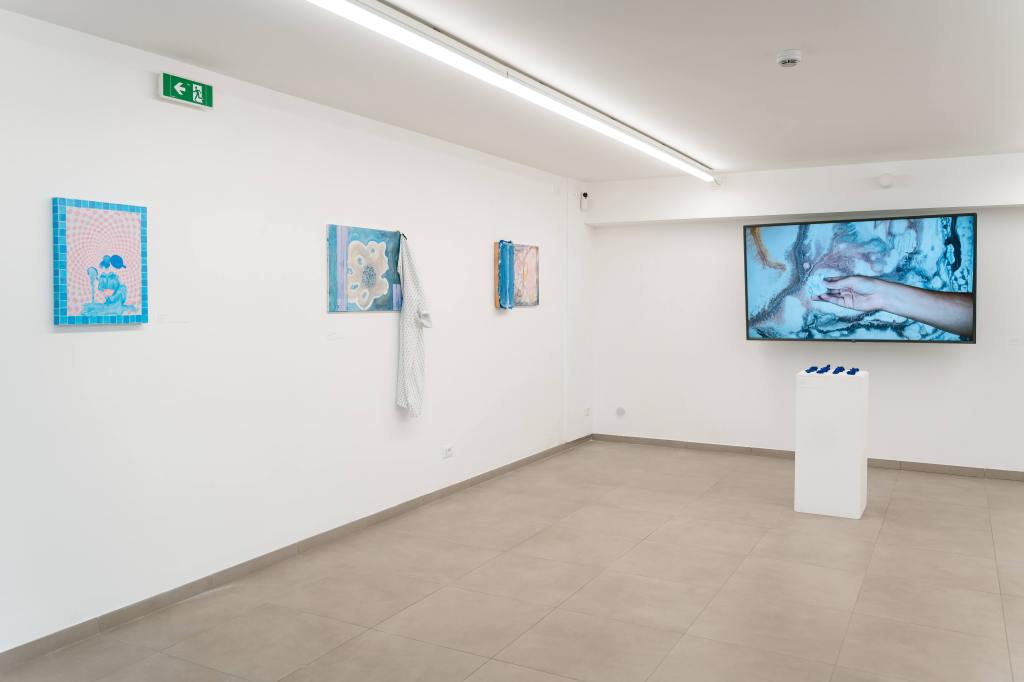
The IB Visual Arts Exhibition represents the culmination of two years of sustained investigation. It is not simply a presentation of resolved artworks, but the outcome of an ongoing process in which ideas, materials, and visual language are tested, refined, and brought into a coherent body of work. This year’s exhibition brought together three distinct yet rigorous inquiries by Caterina D., Emily L., and Zilver W.
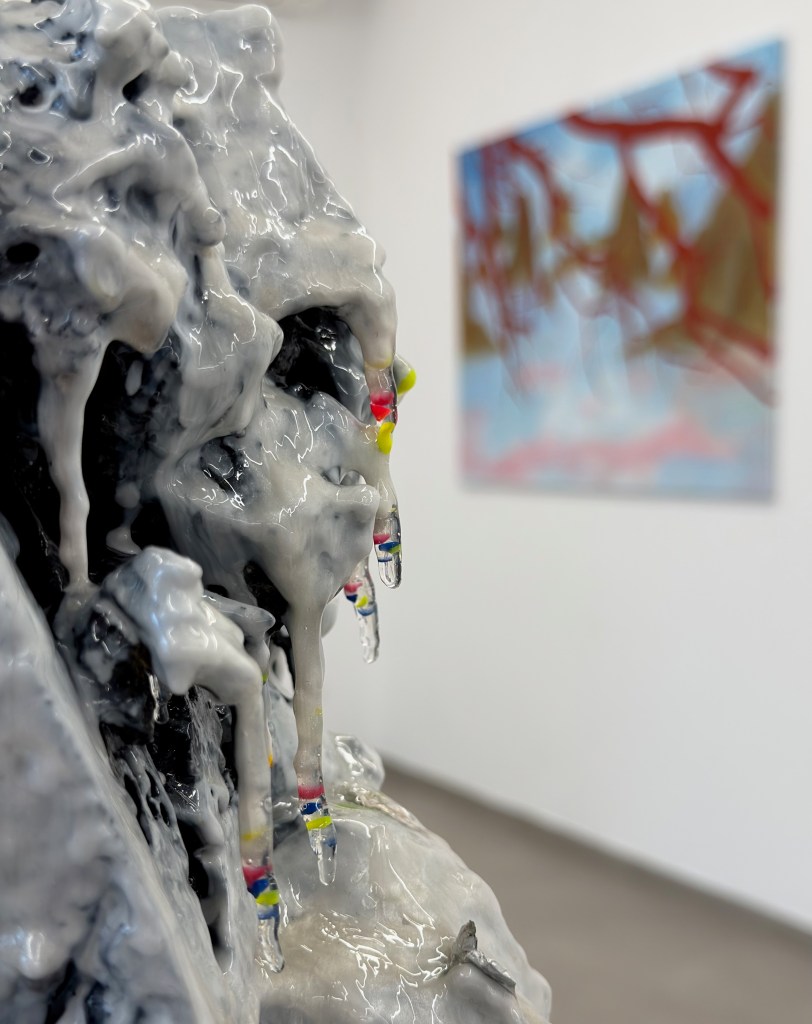
Caterina’s work investigates the body as a site of constraint, control, and transformation. Rooted in her experience of hospitalization, the work moves from figurative self-examination toward process-based practice, where gesture, repetition, and material behaviour become central.
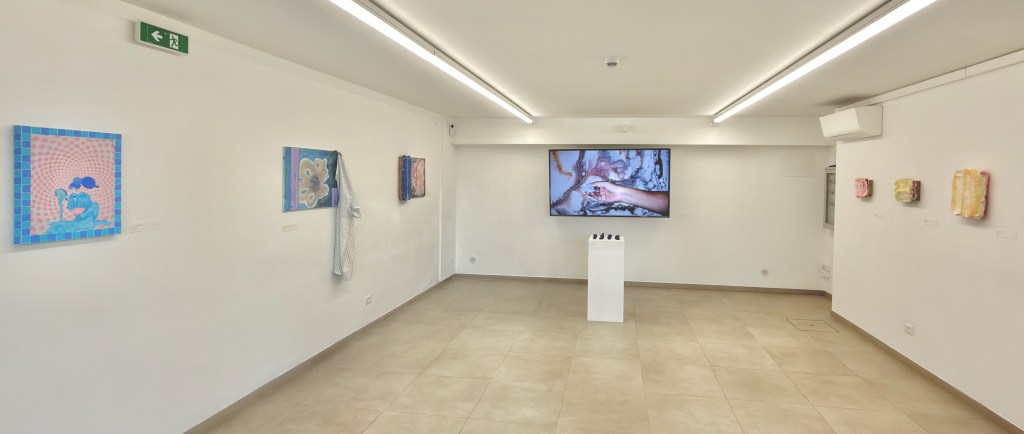
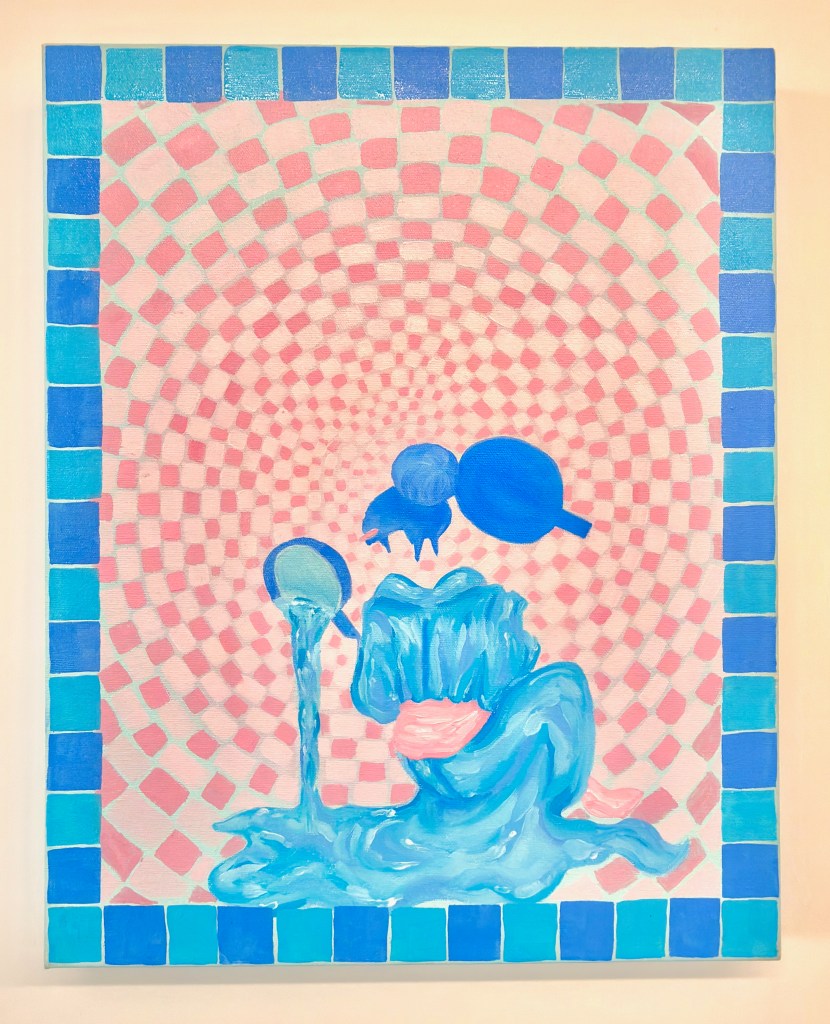
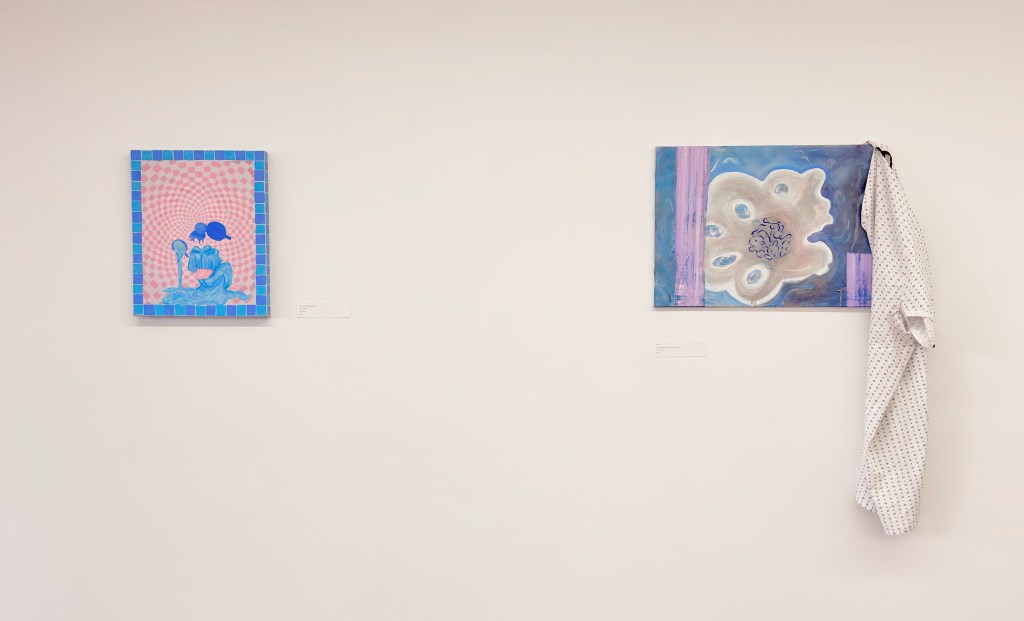
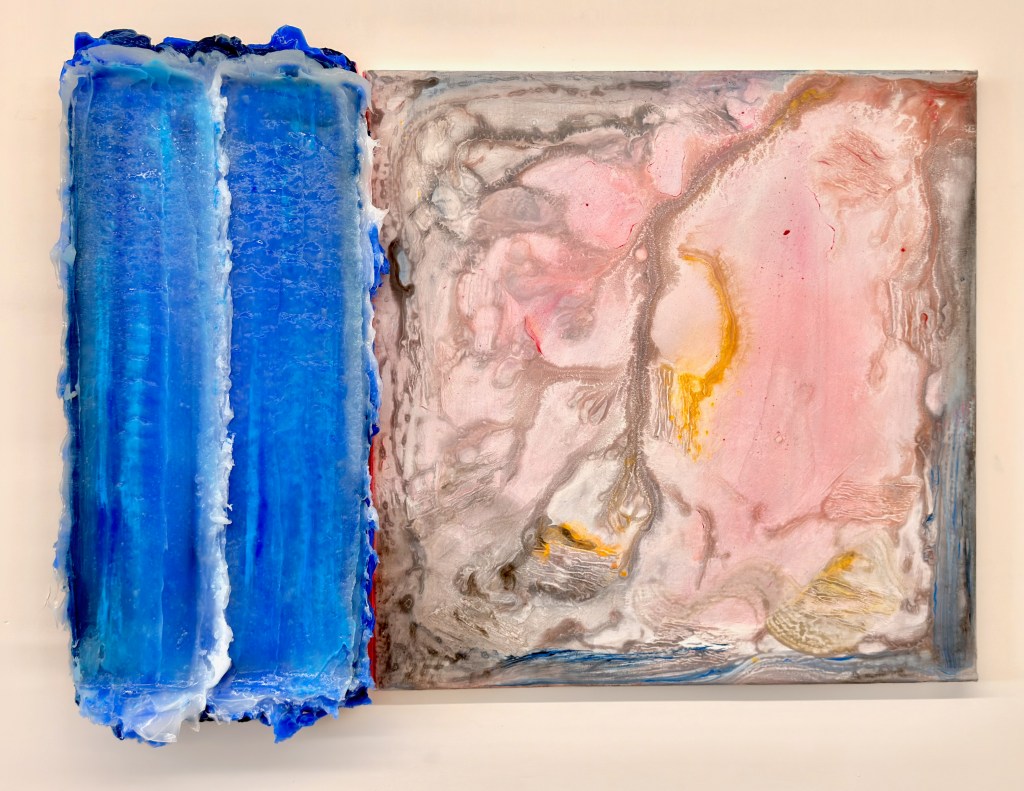
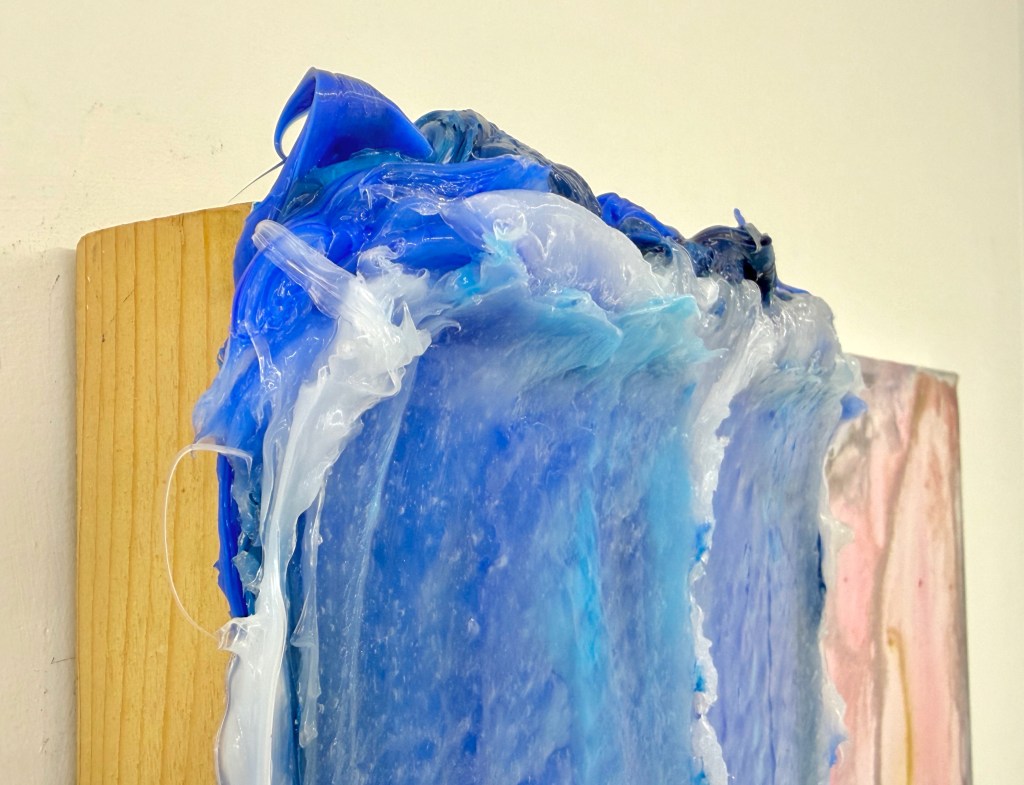
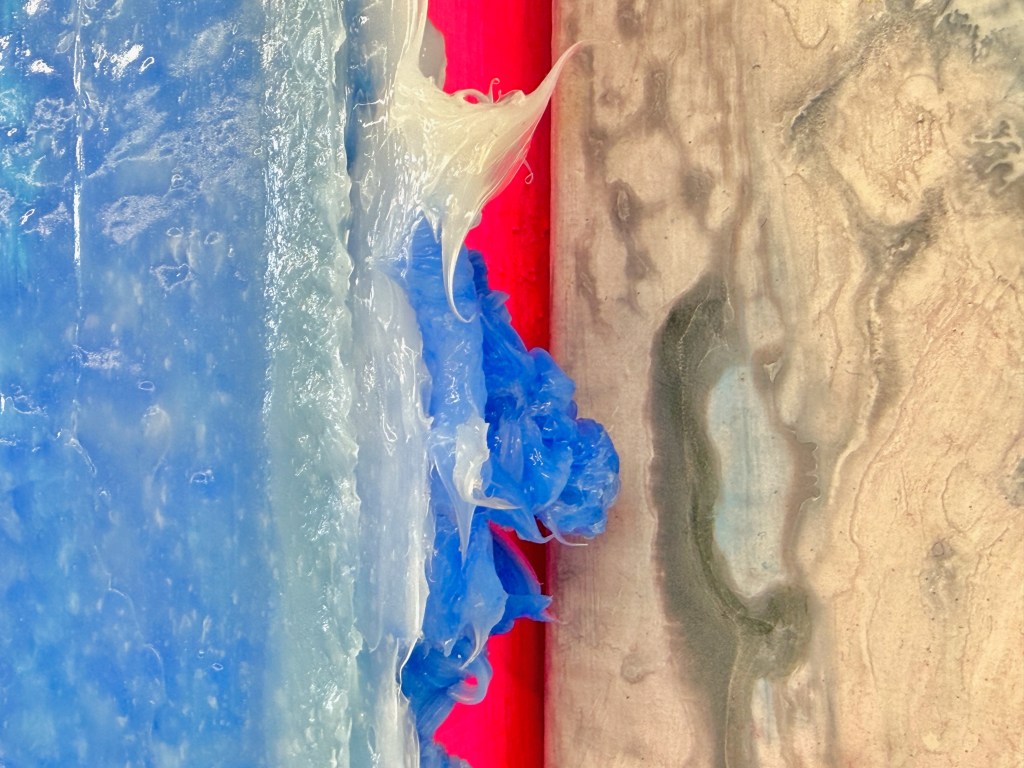
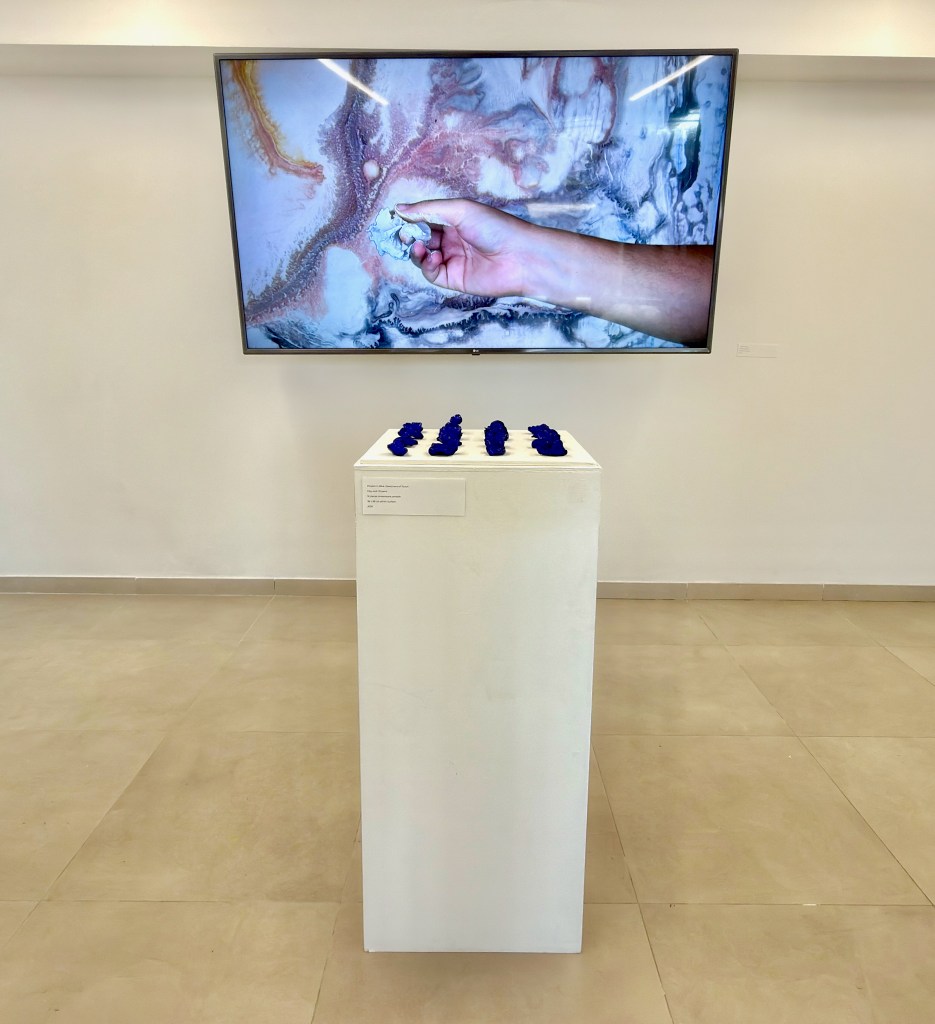
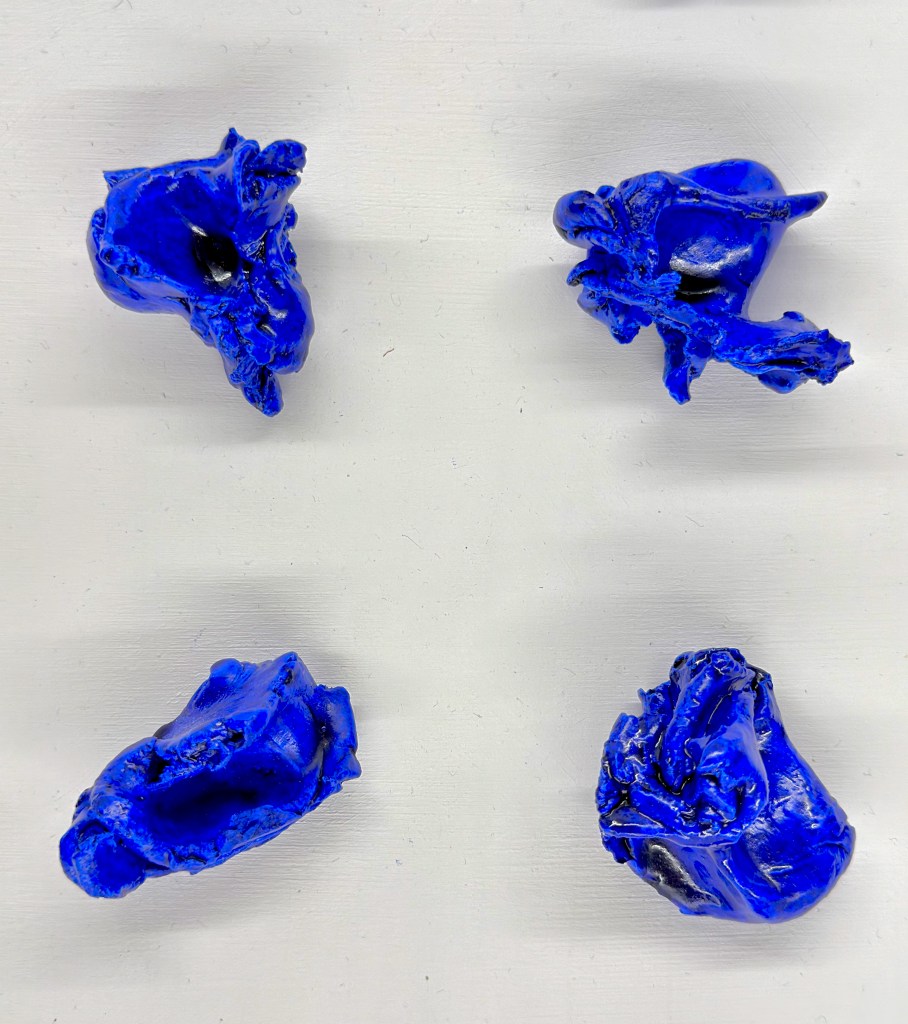
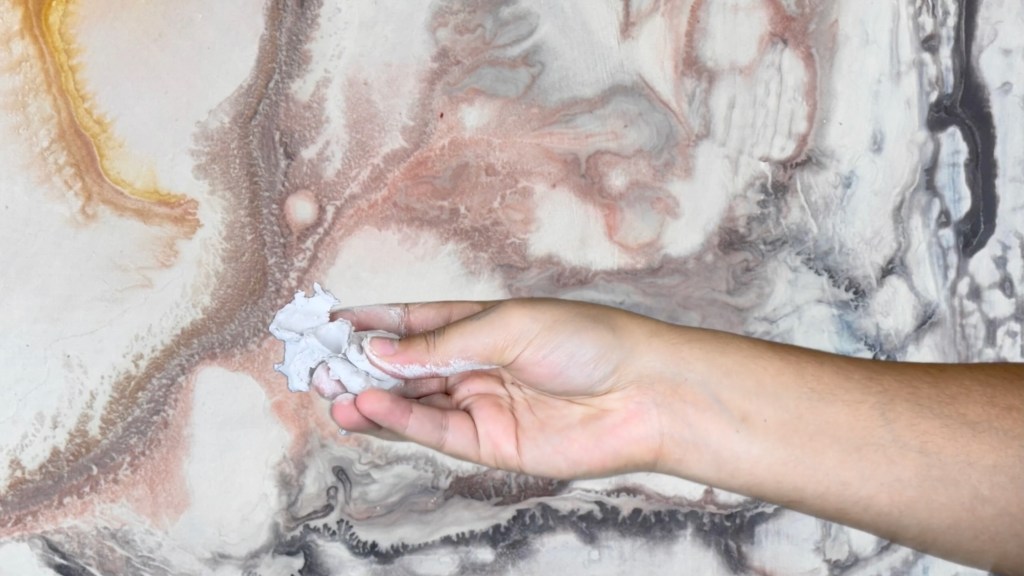
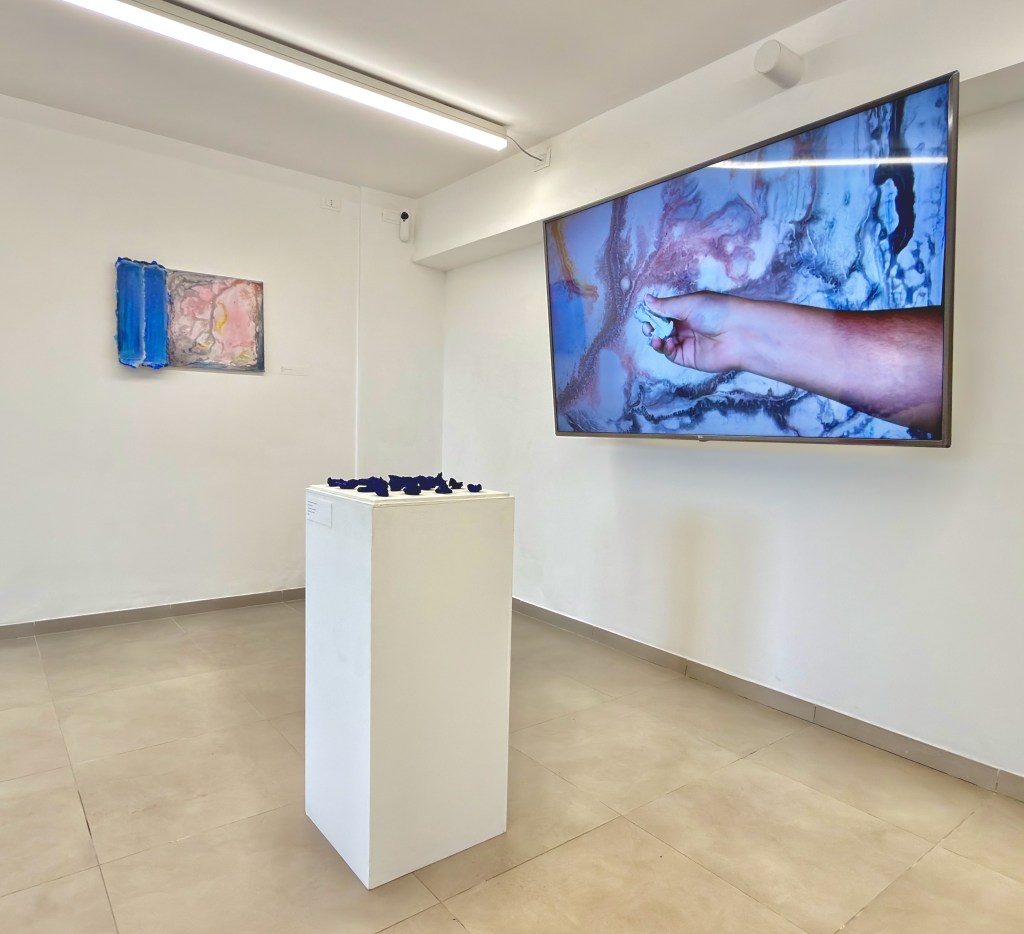
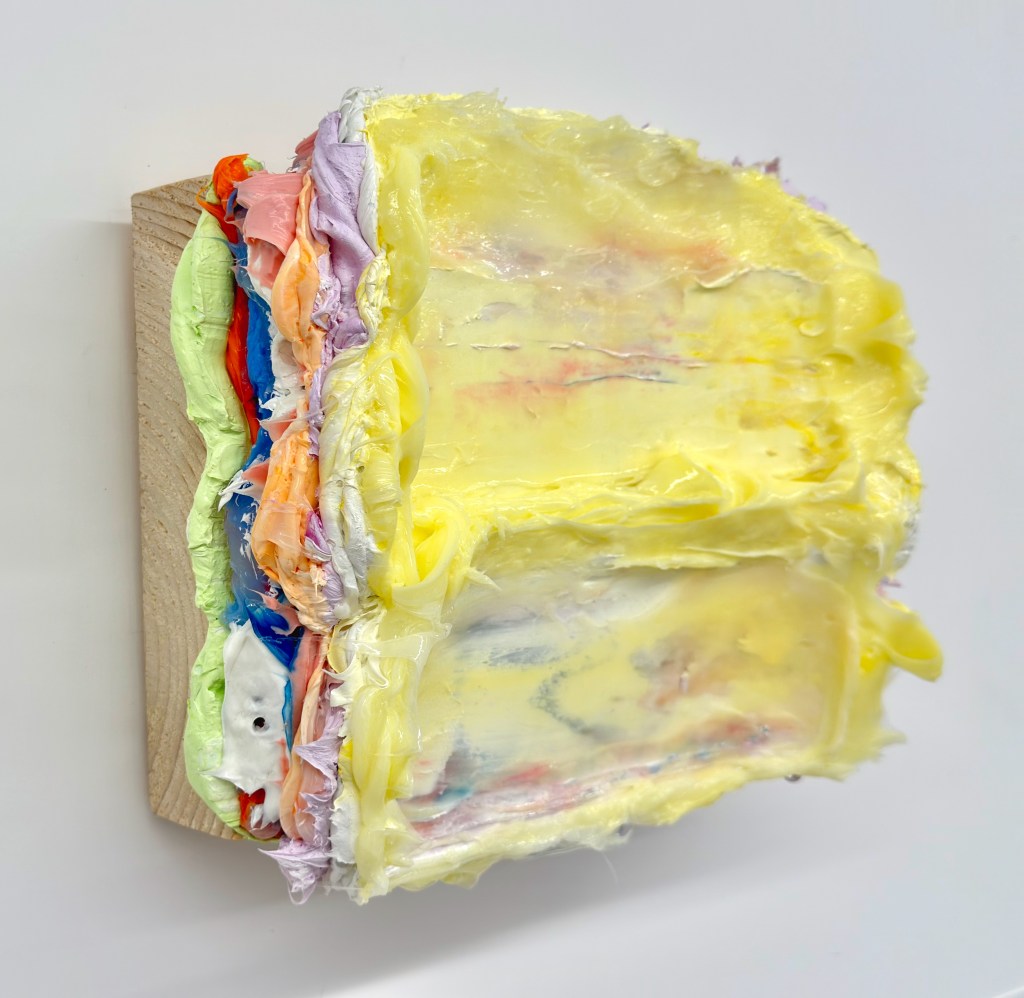
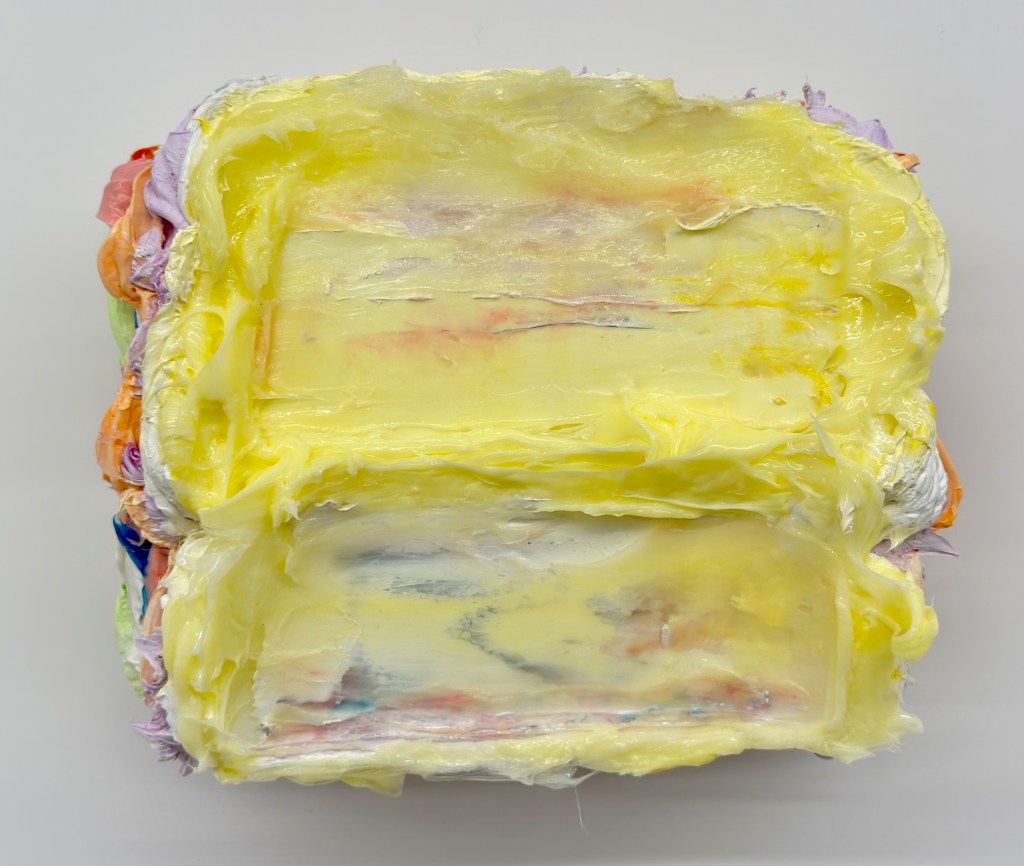
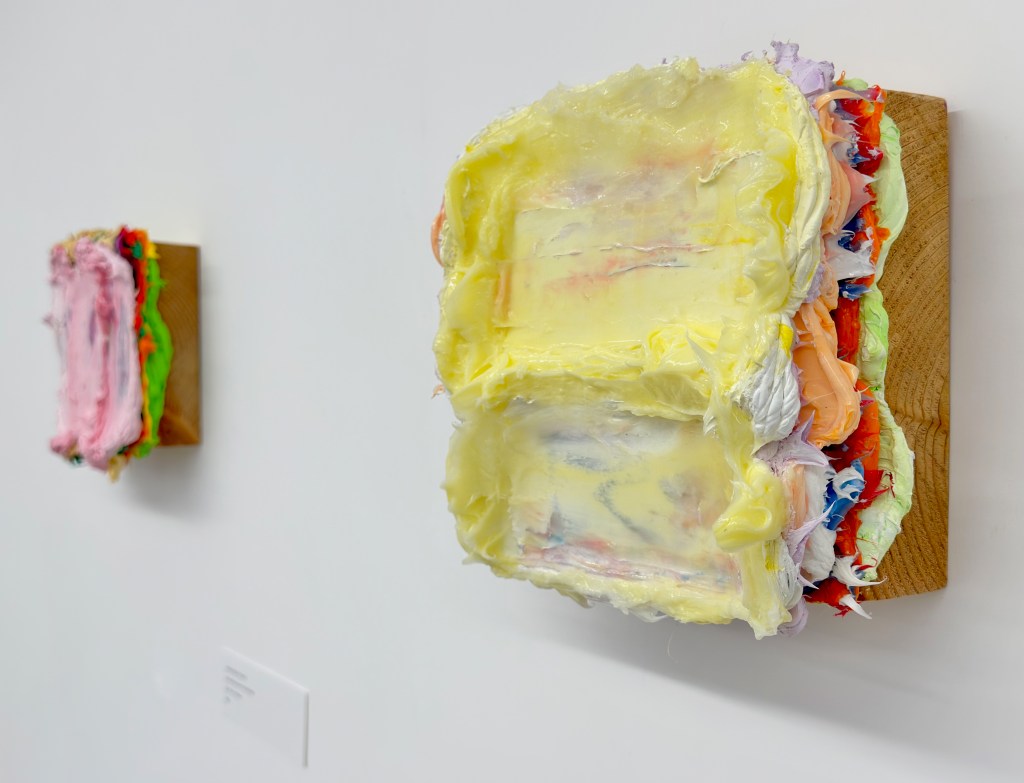
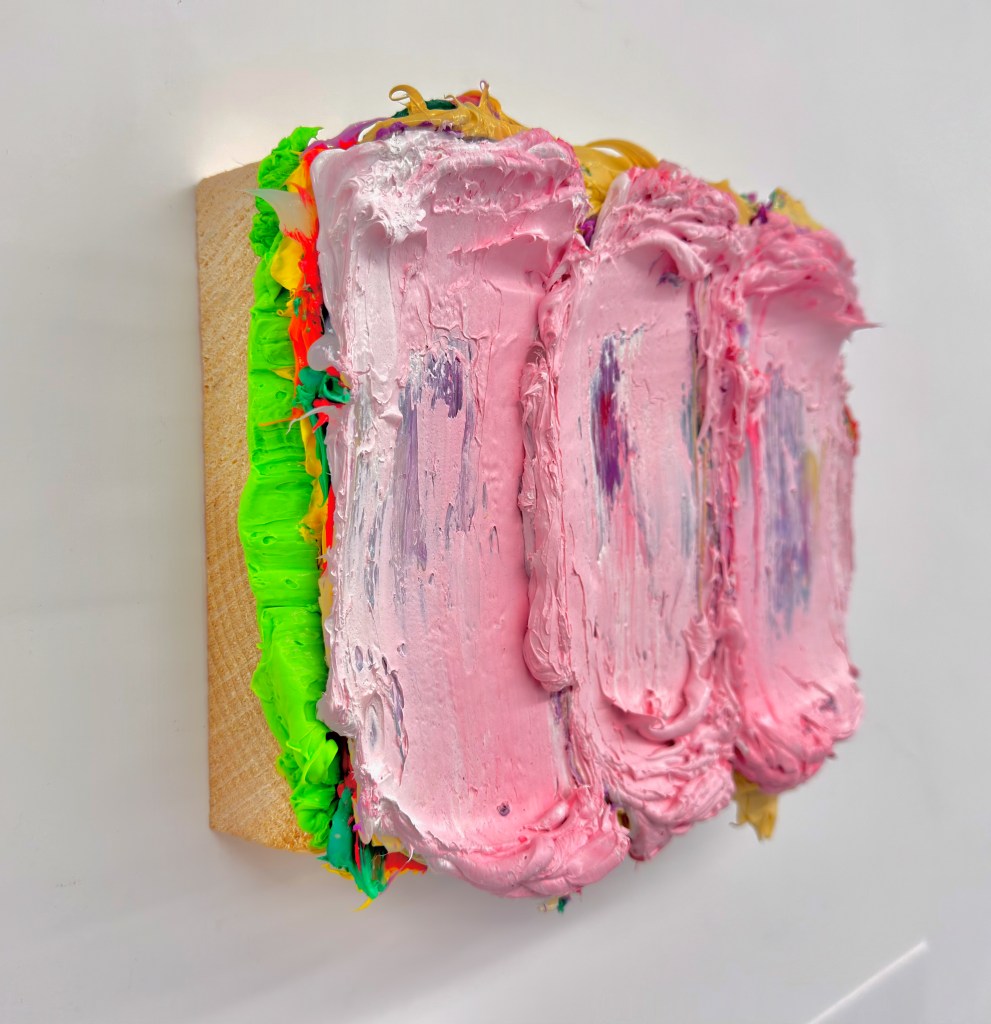
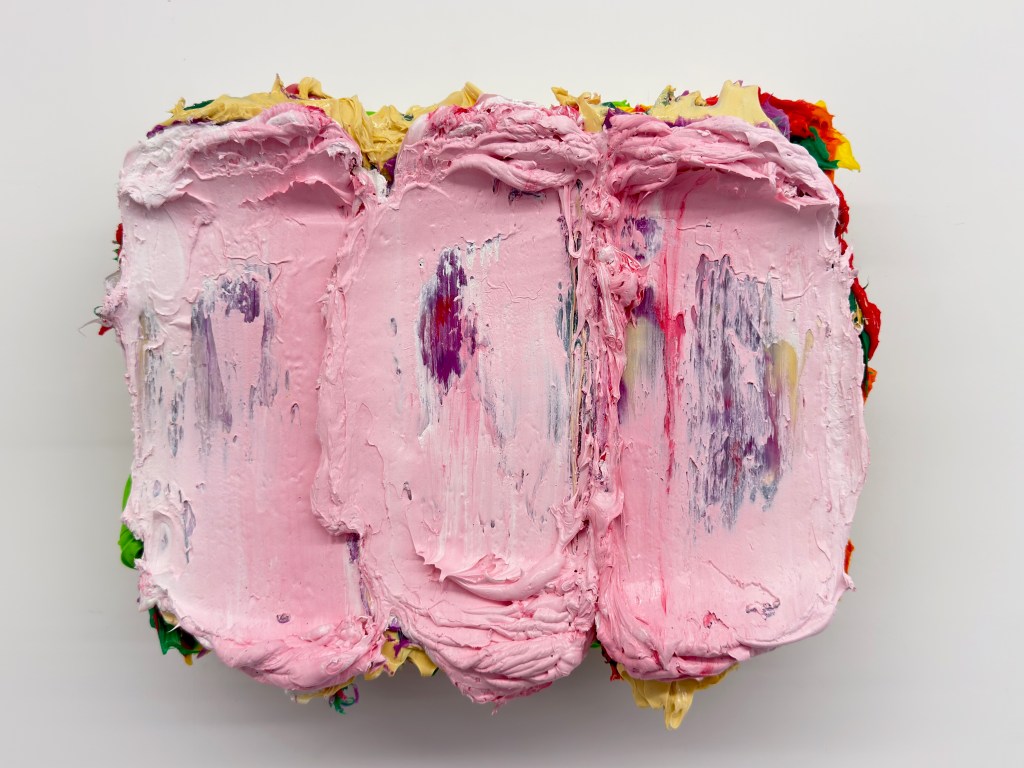
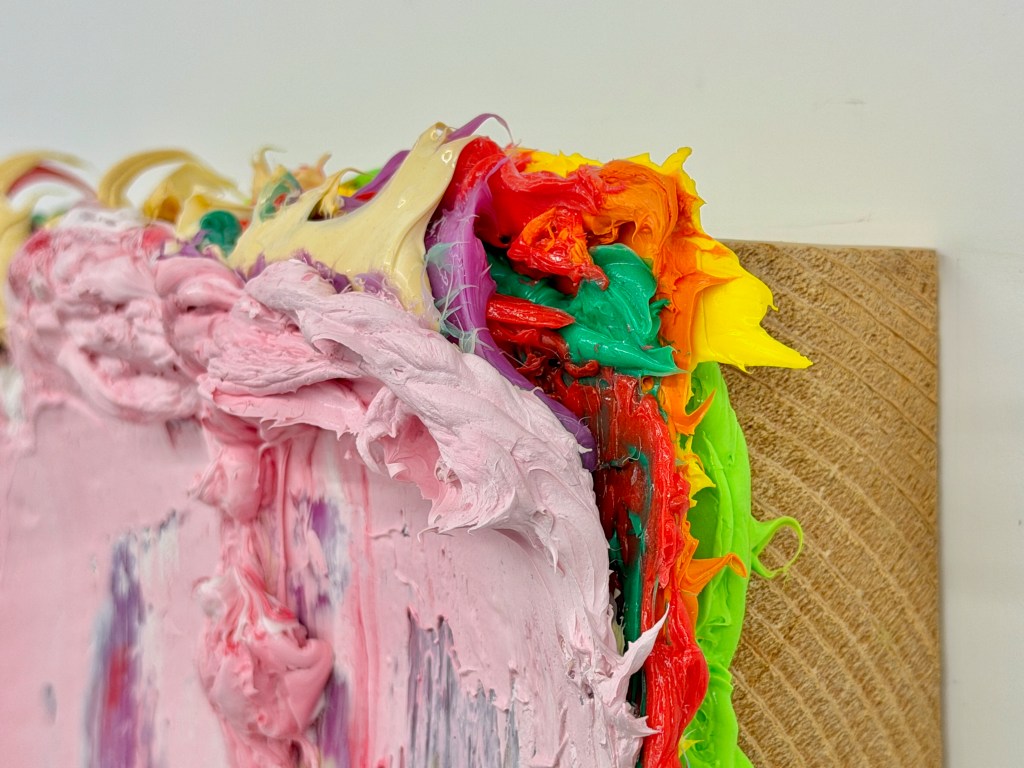
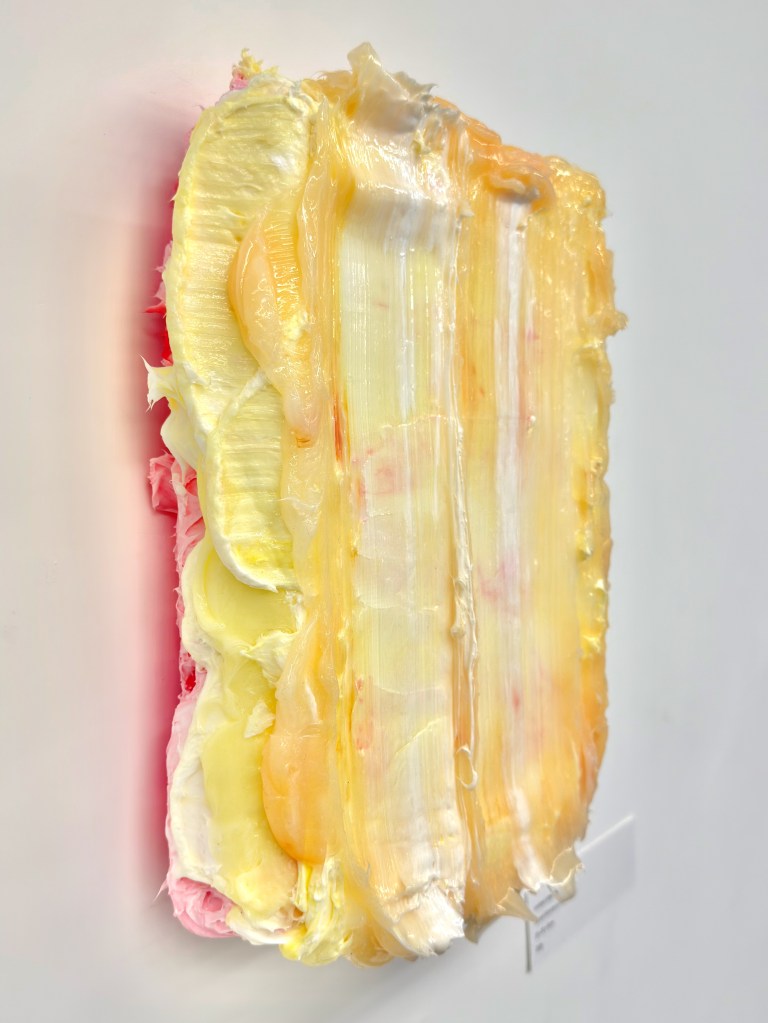
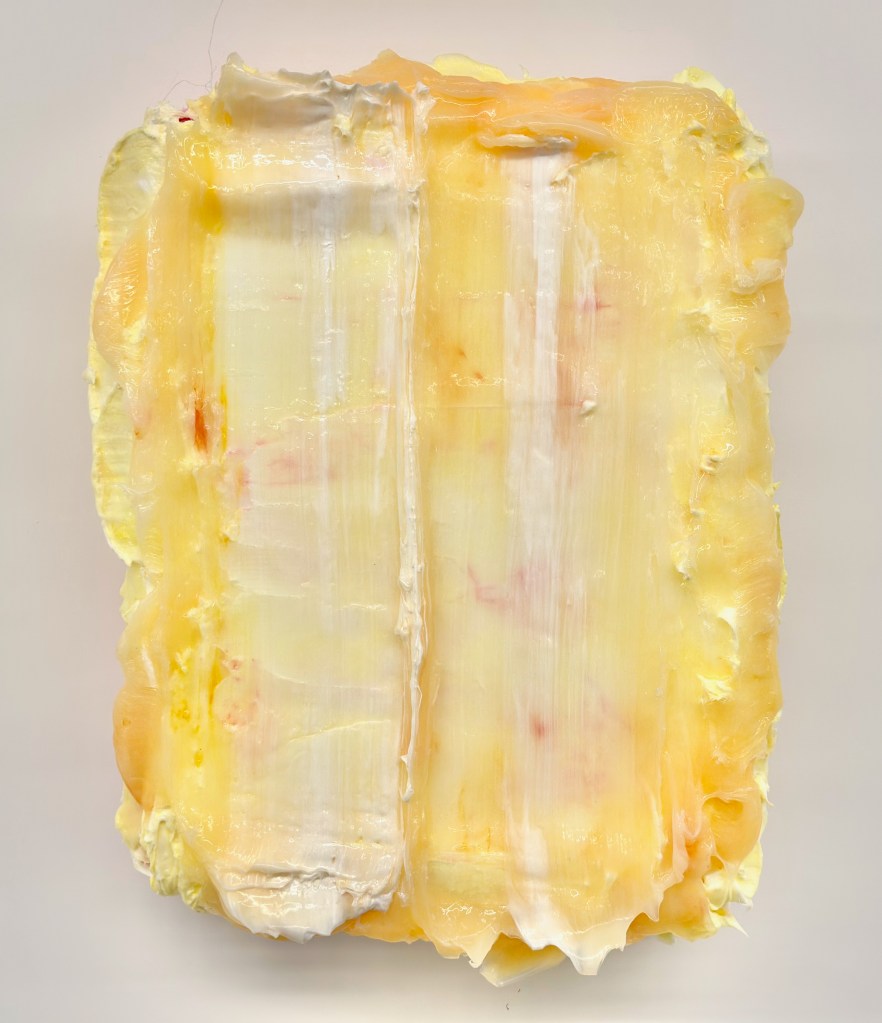
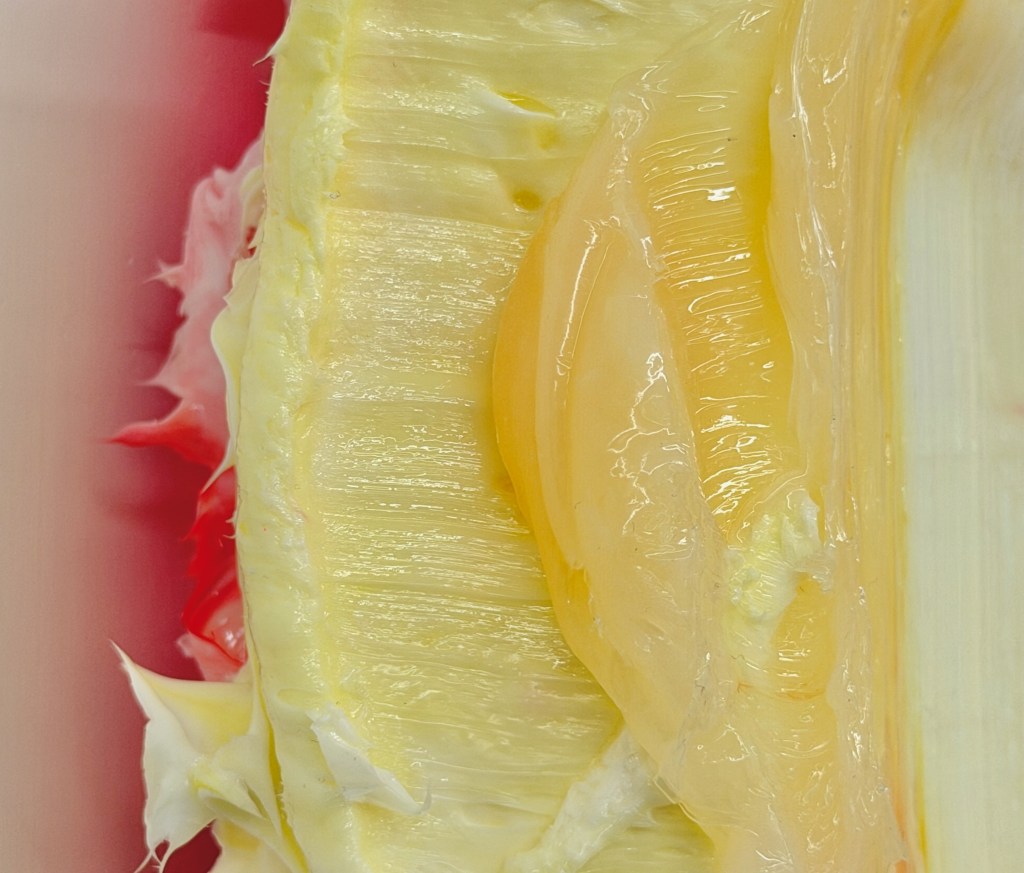
Across painting, video, sculpture and inventive silicone-based works, the body is no longer represented or illustrated, but rather fully enacted through a highly poetic approach to process. The shift from constraint to transcendence, figuration to fossilised touch, reflects a deeply authentic investigation of how material, colour, and gesture embody lived experience.
Emily’s exhibition examines landscape as a psychological and cultural construct through which identity is negotiated. Drawing on both Chinese shanshui painting and contemporary Western practice, she develops a spatial language based on layering, translucency, and the gradual unfolding of space. The use of gouache allows for subtle shifts in tone and the dissolution of edges, producing spatial ambiguity that reflects memory as fluid rather than fixed.
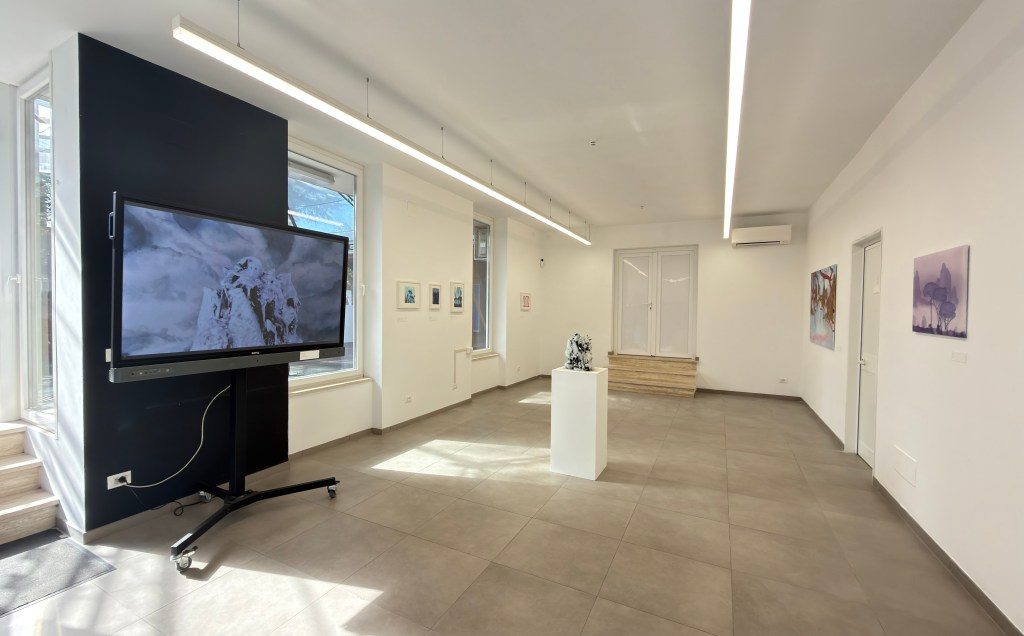
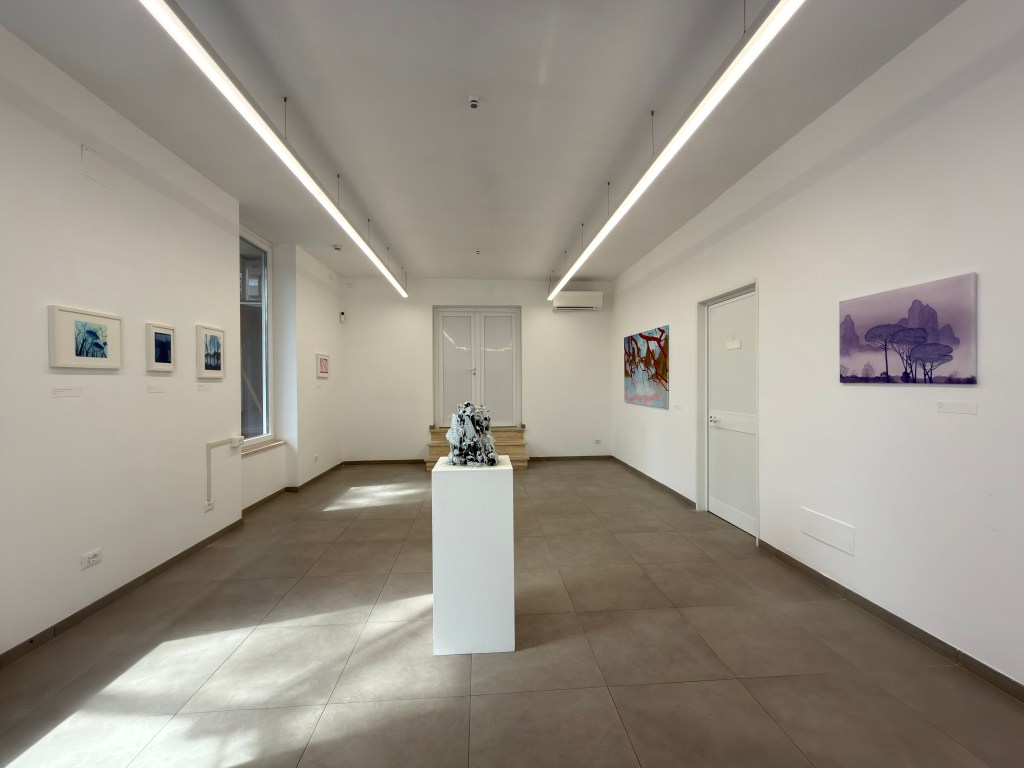
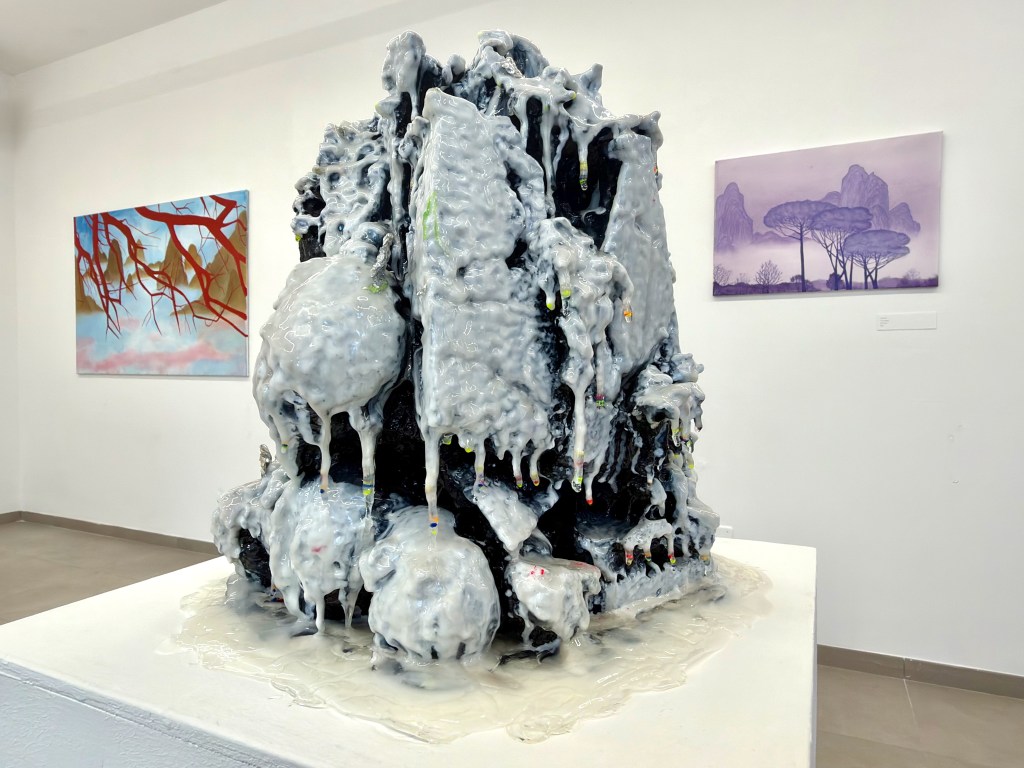
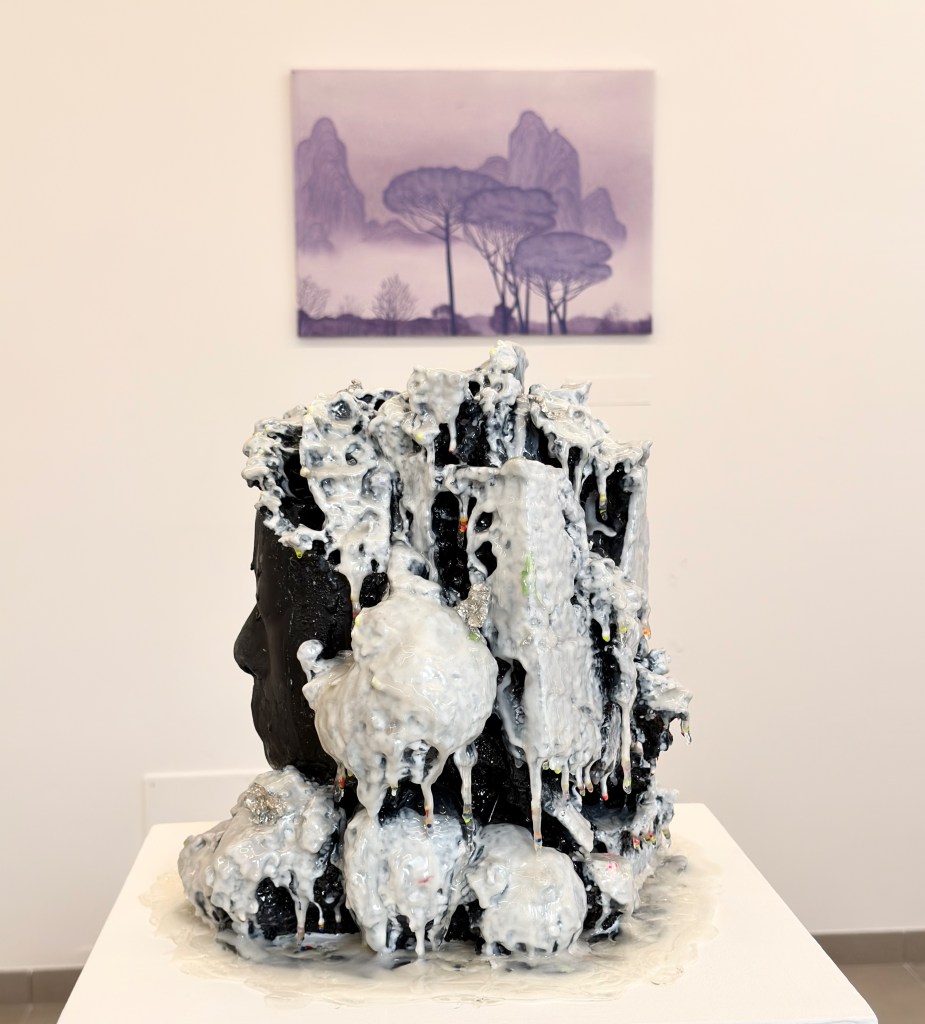
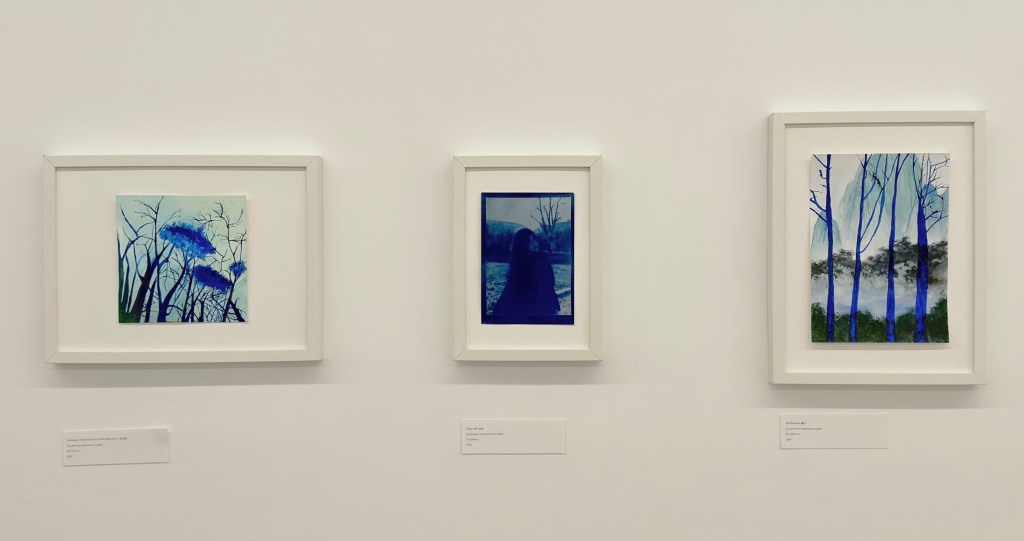
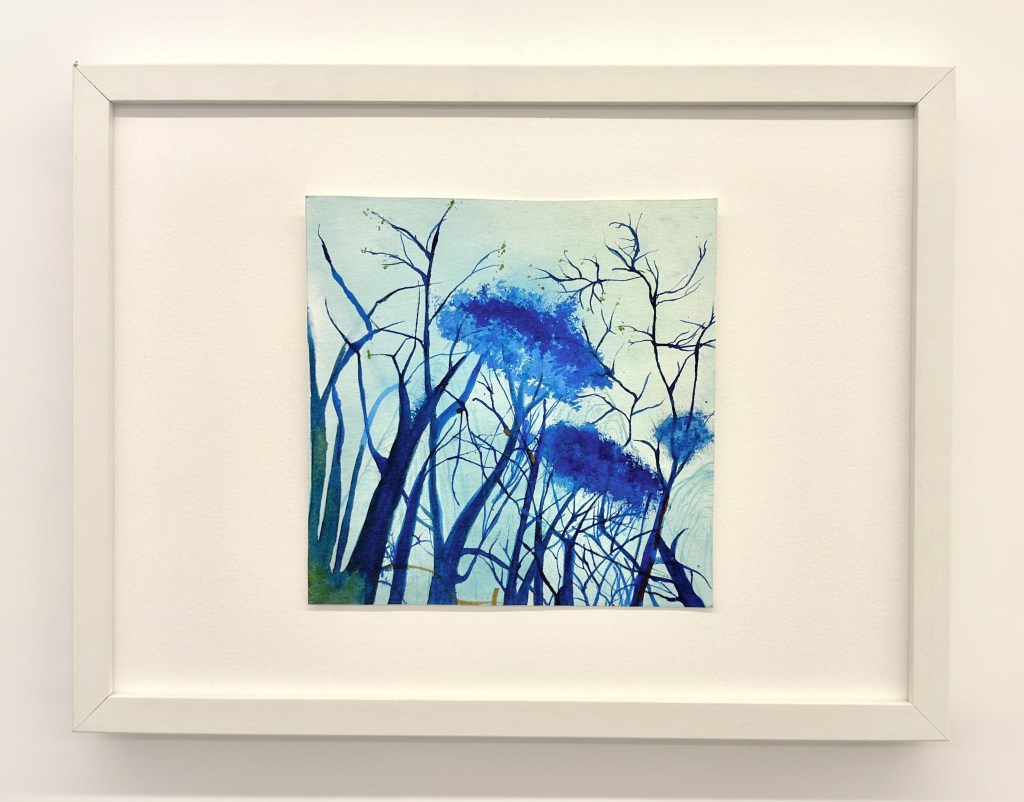
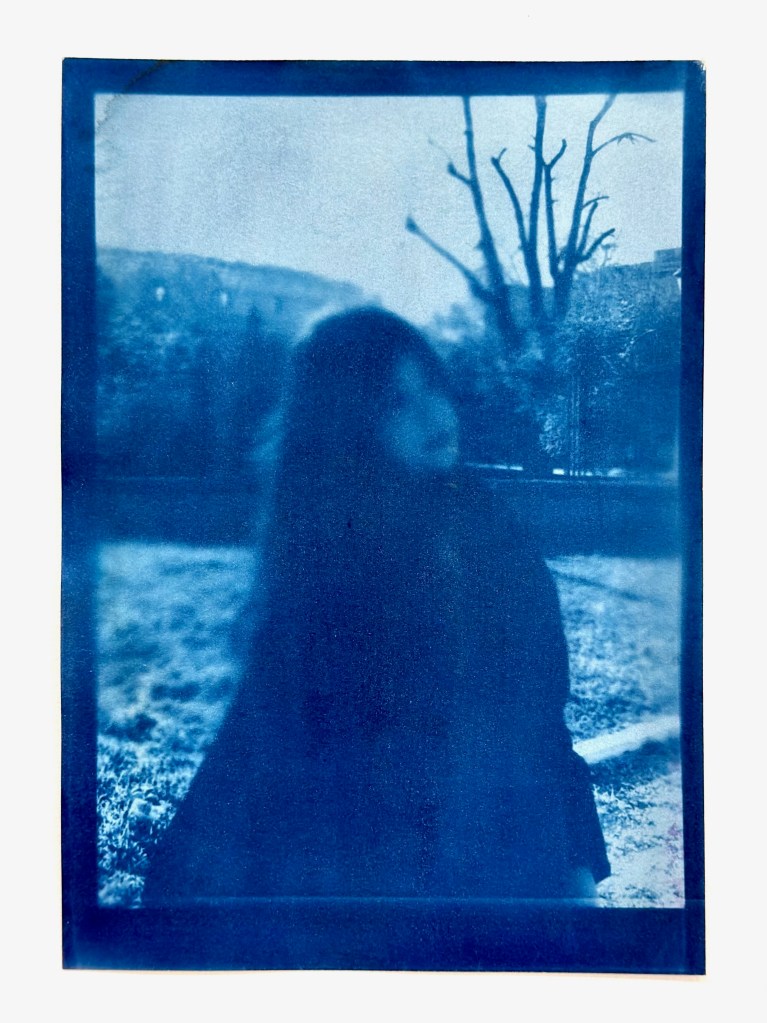
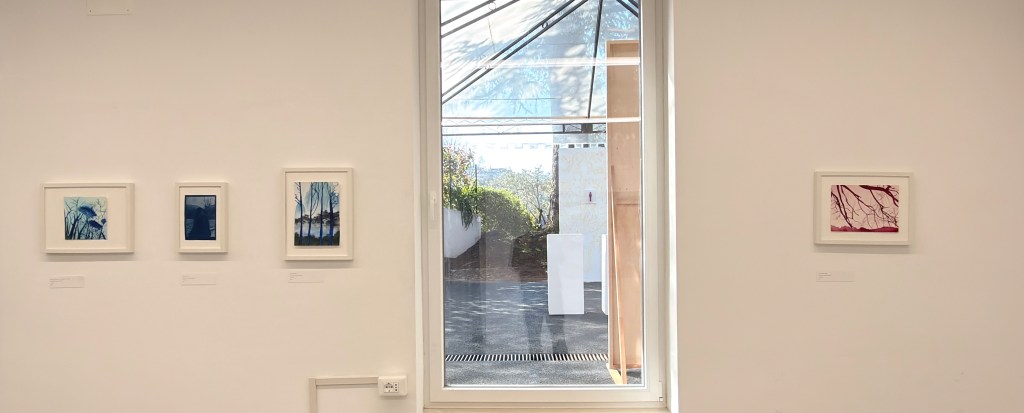
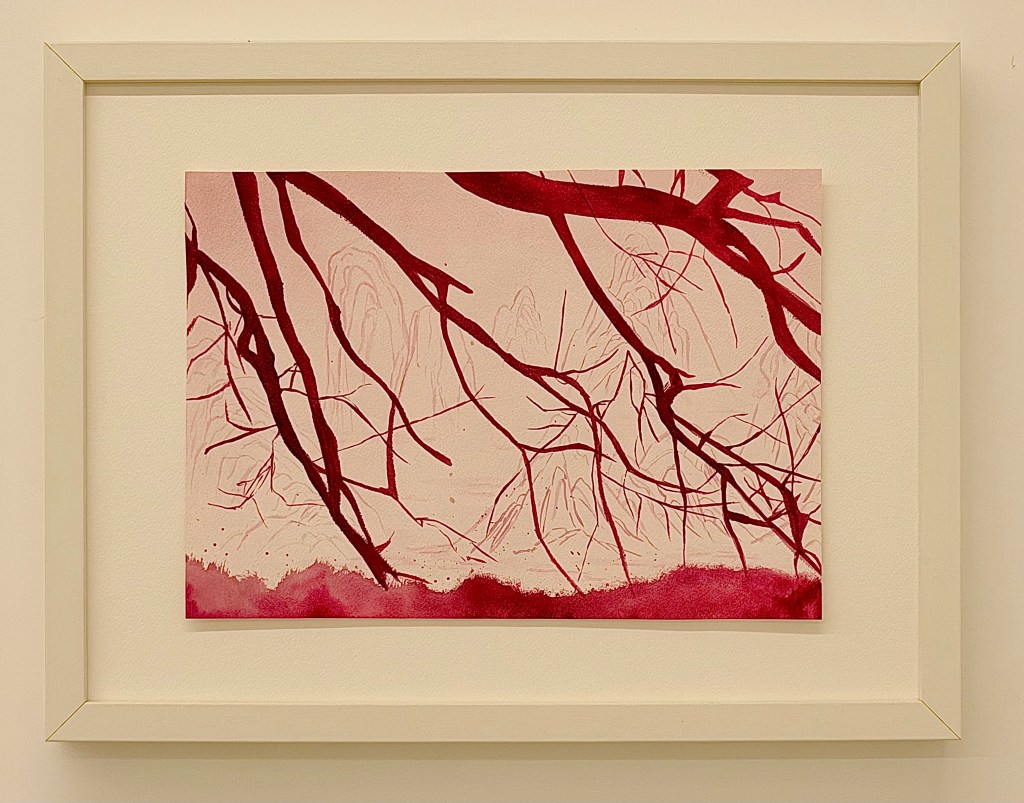
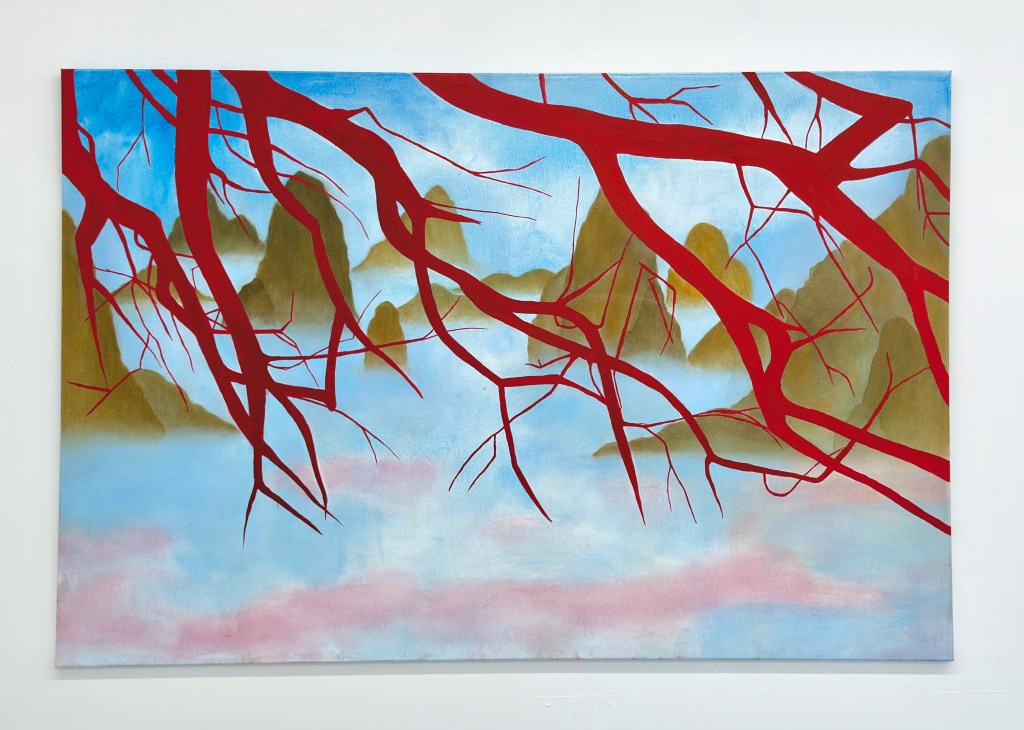
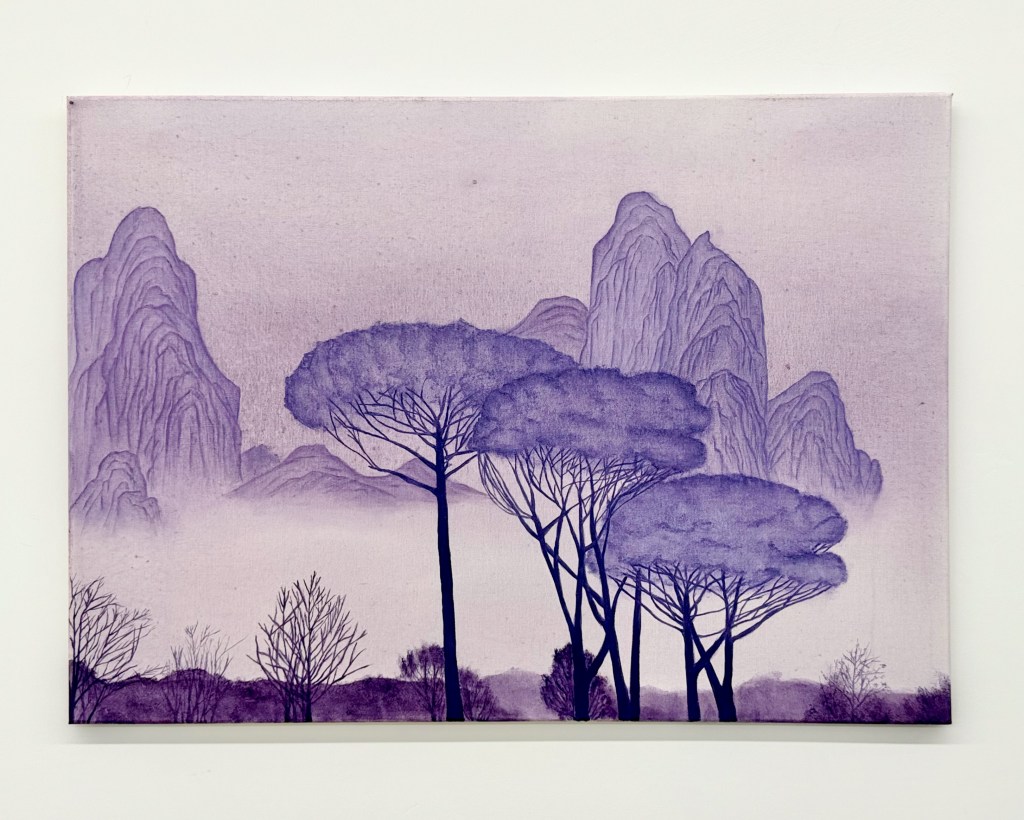
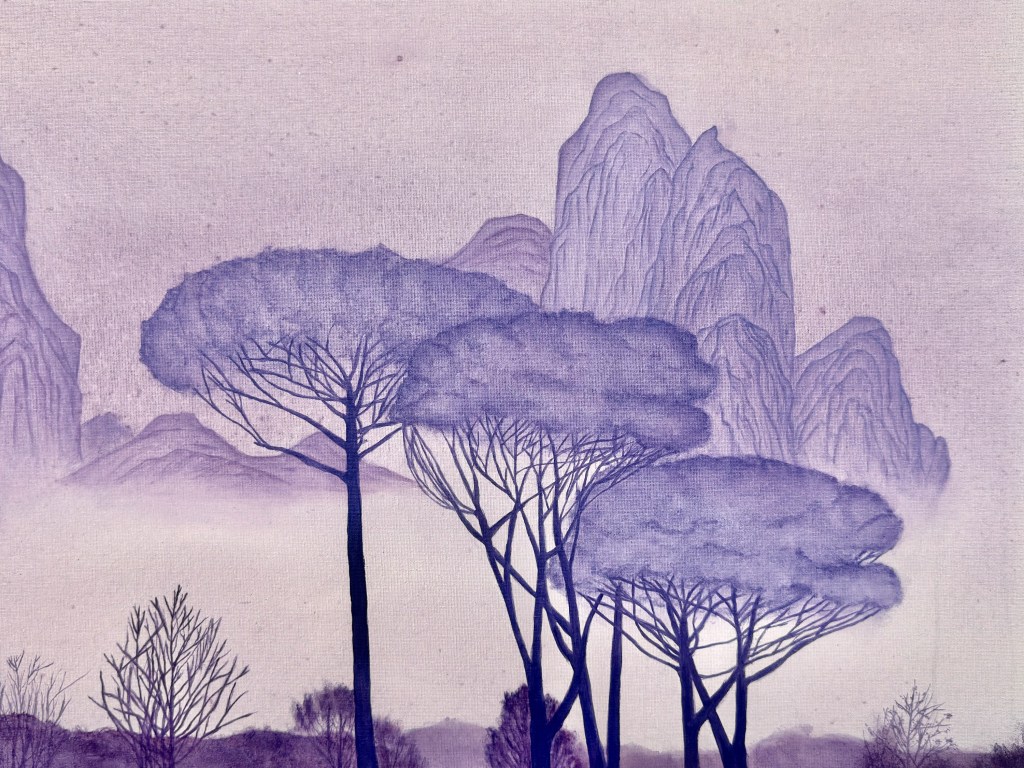
This investigation is extended through oil painting, sculpture, and video, where the relationship between figure and environment becomes increasingly complex. The work demonstrates a sustained inquiry into how landscape can function as a metaphor for cultural identity, with careful consideration of composition, material, and viewer positioning across the body of work.
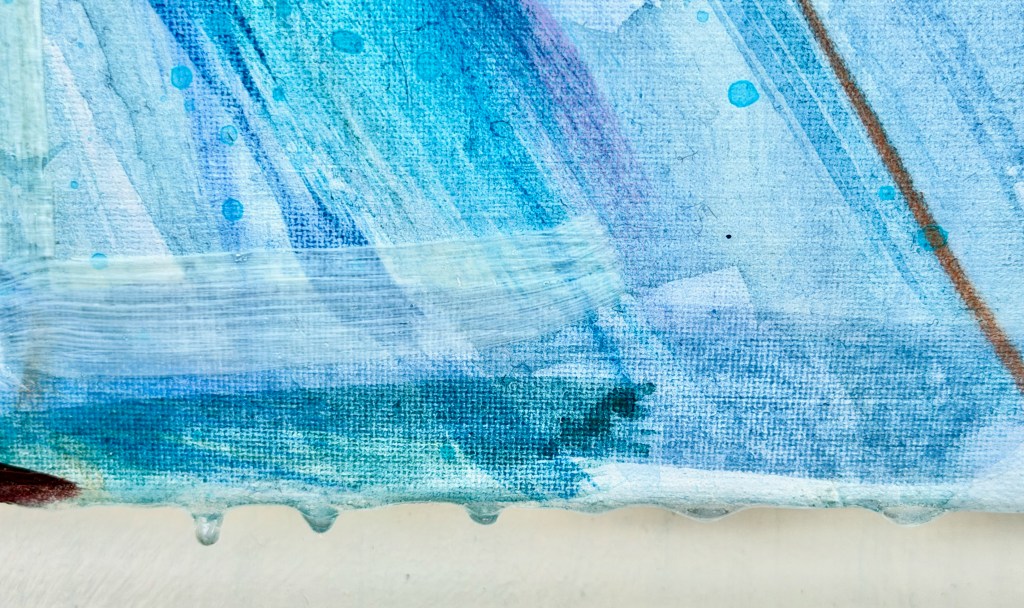
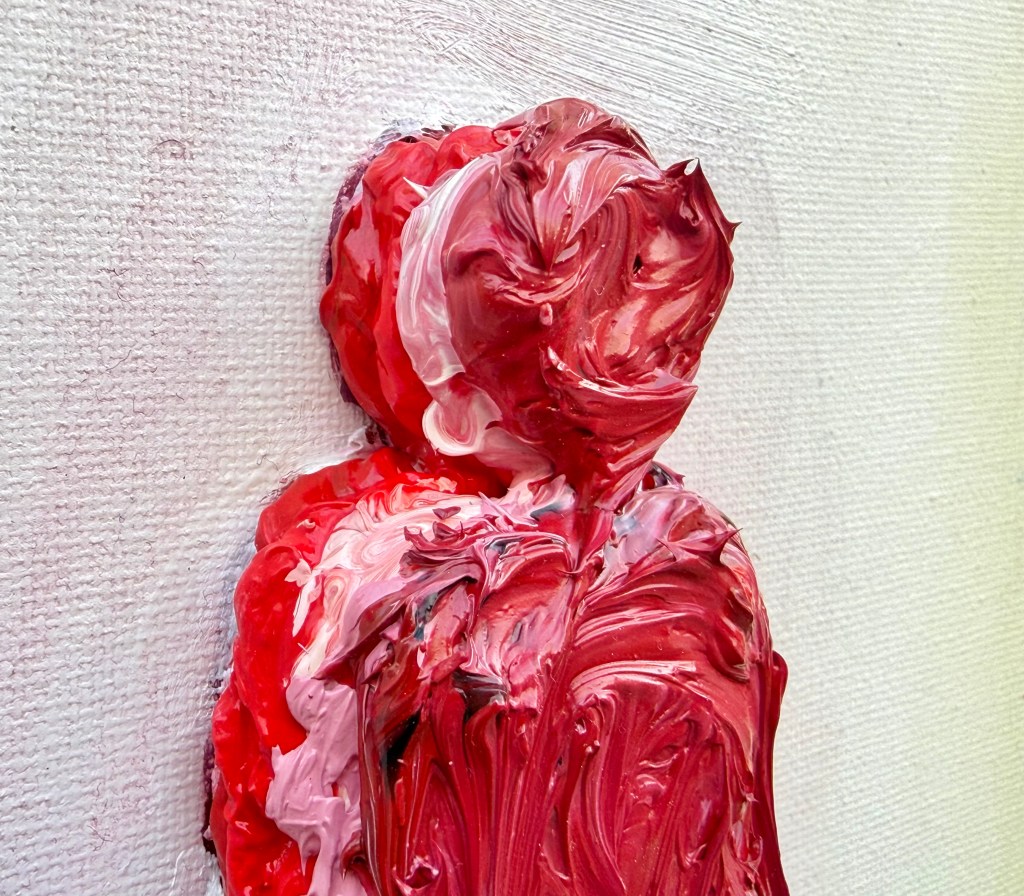
Zilver’s practice explores identity as a constructed and evolving condition, focusing on fragility, pressure, and resilience. Through the interaction of contrasting materials: thin washes, dense impasto, pressurised spray paint, and ceramic casting, the work physically embodies states of tension and transformation. Ceramic casts of the body shift from soft clay to hardened but fragile forms, while painted surfaces accumulate and fracture through layered mark-making.
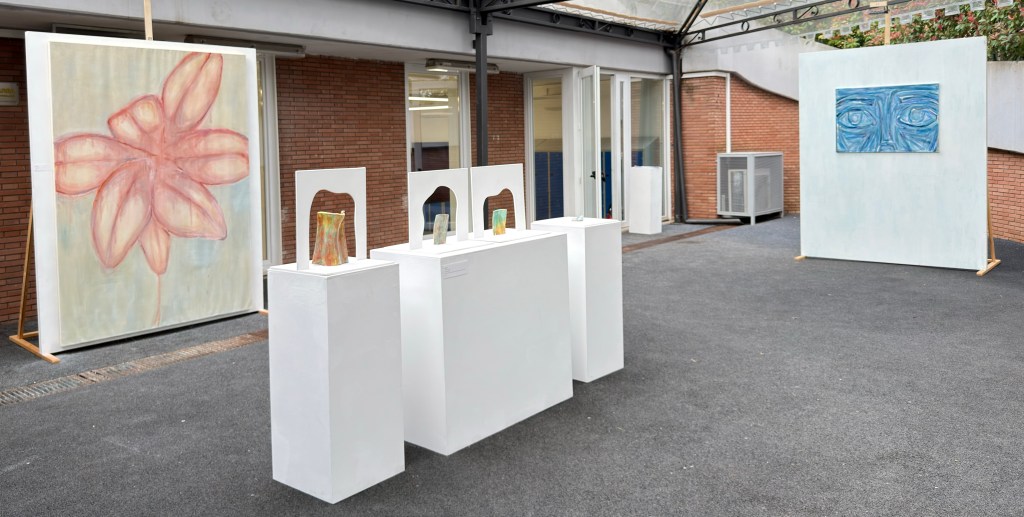
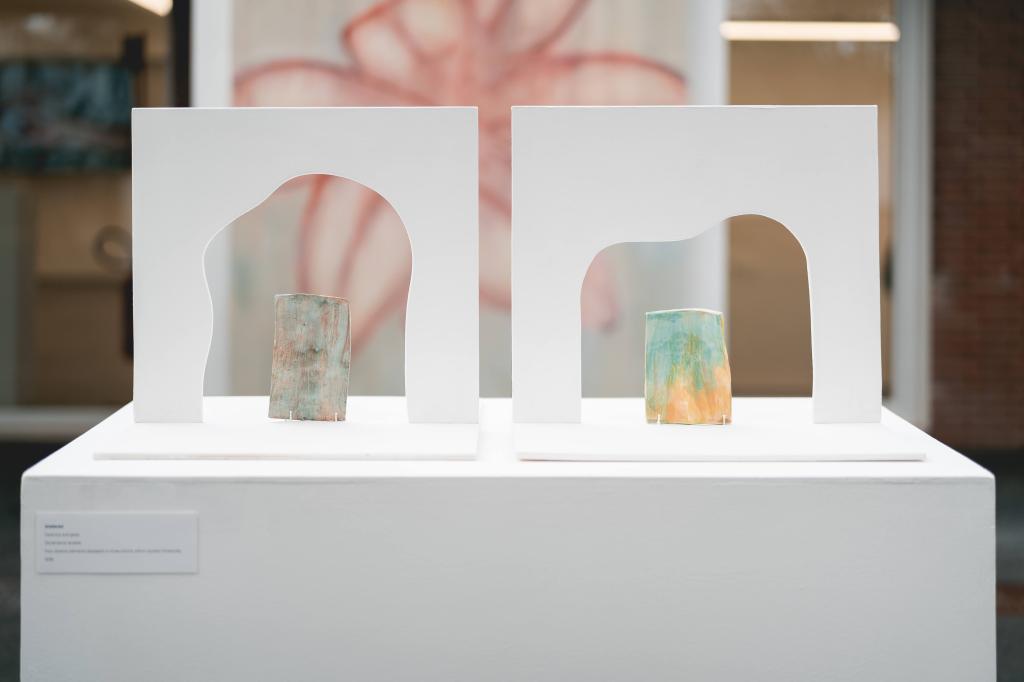
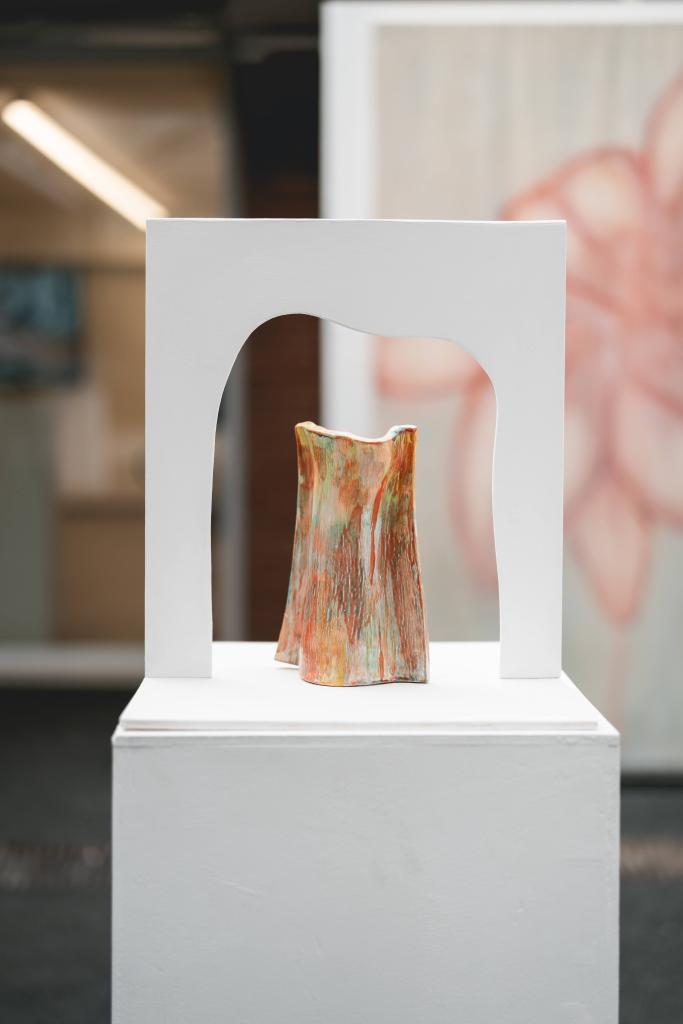
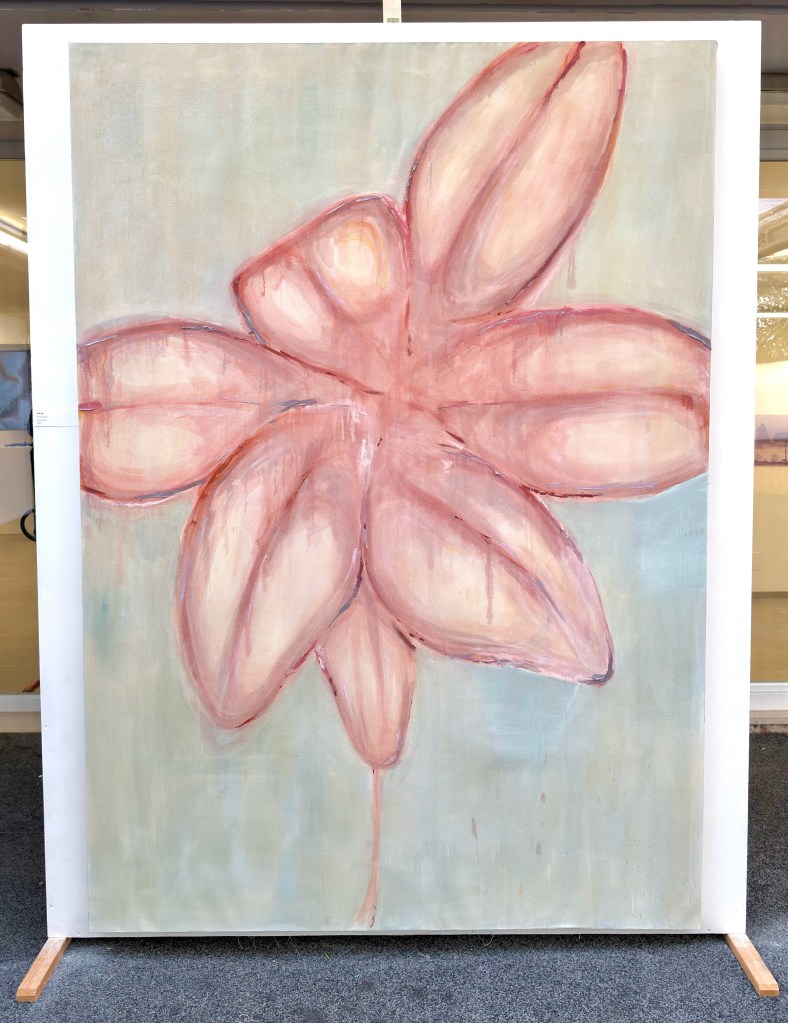
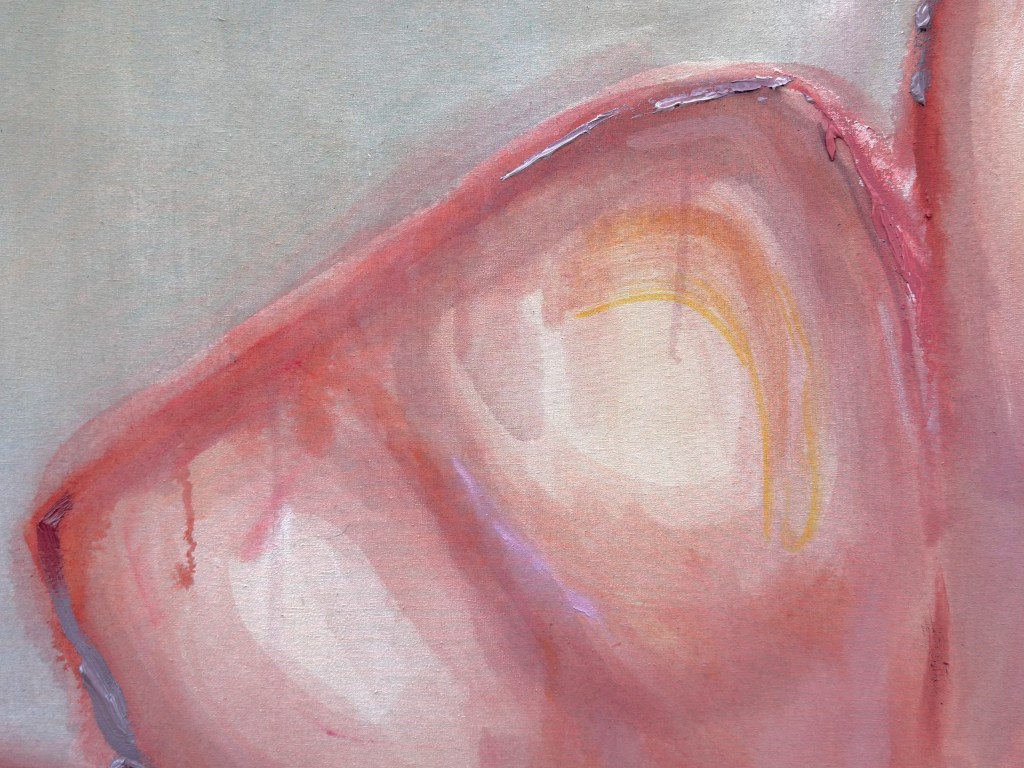
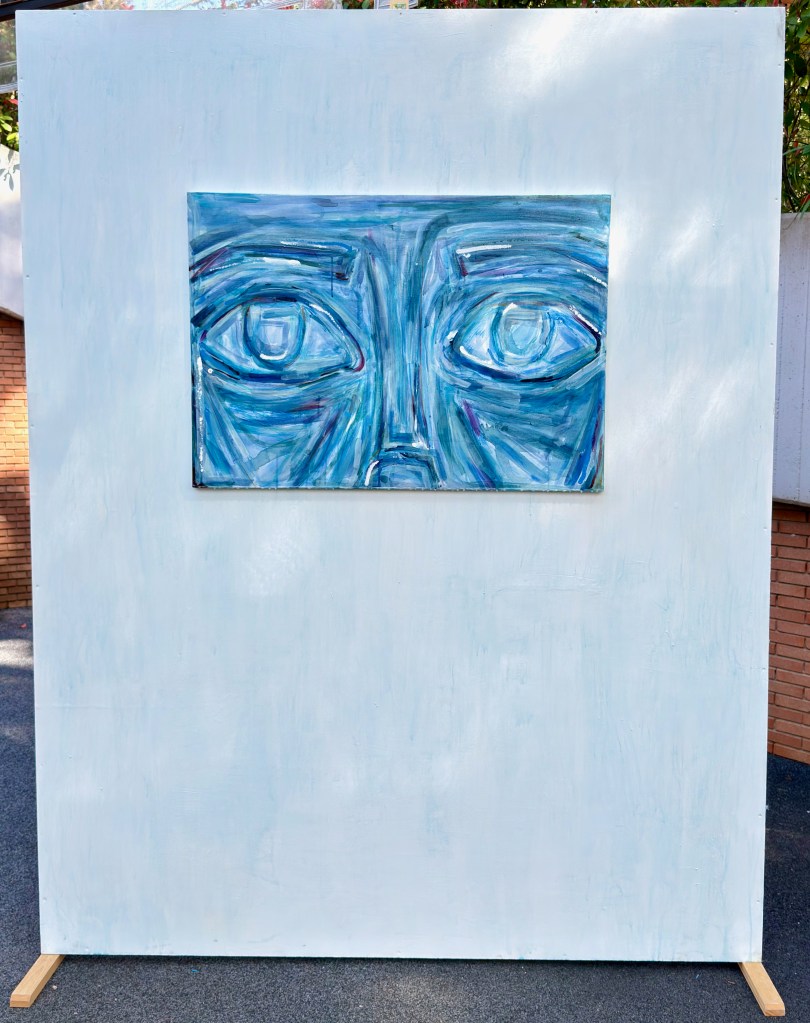
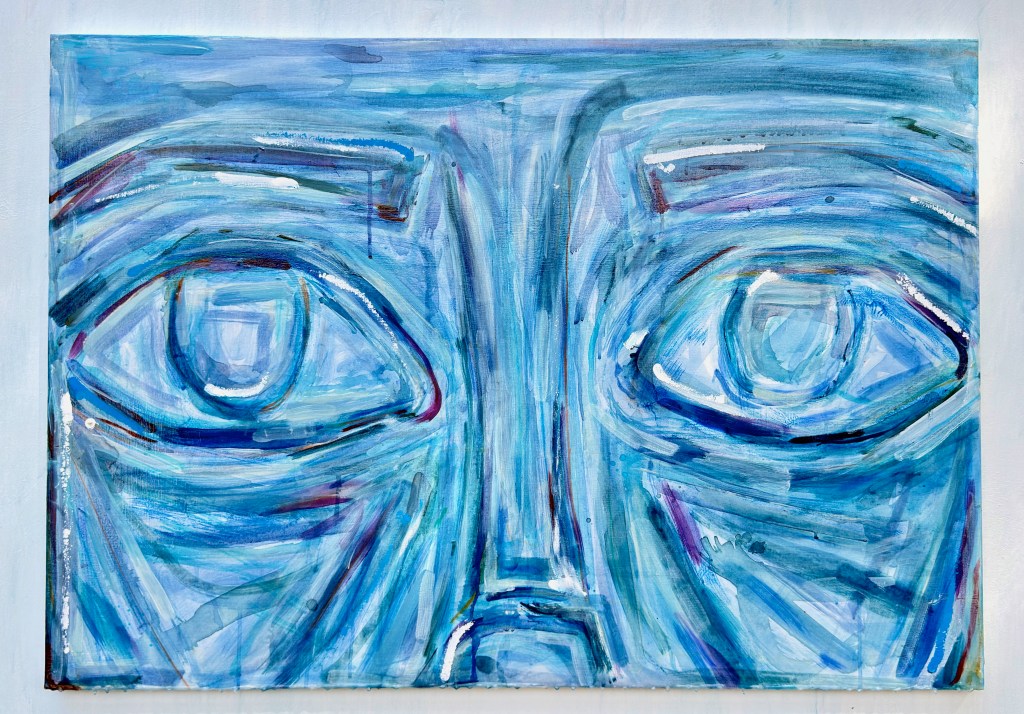
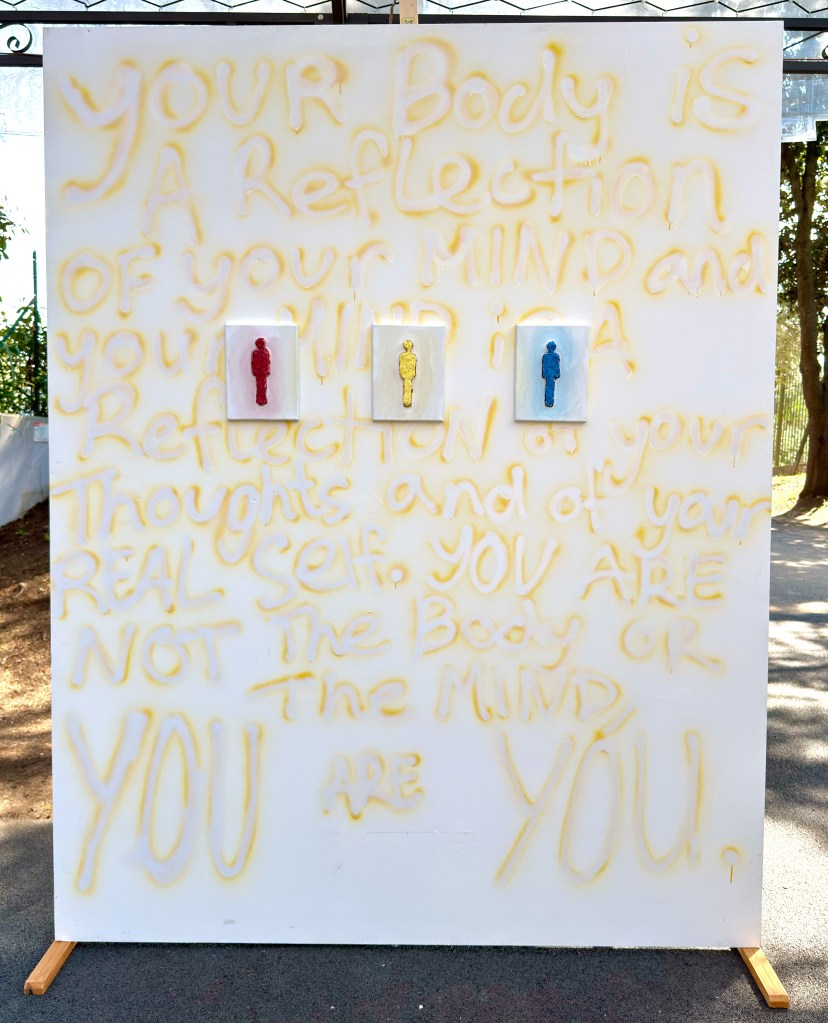
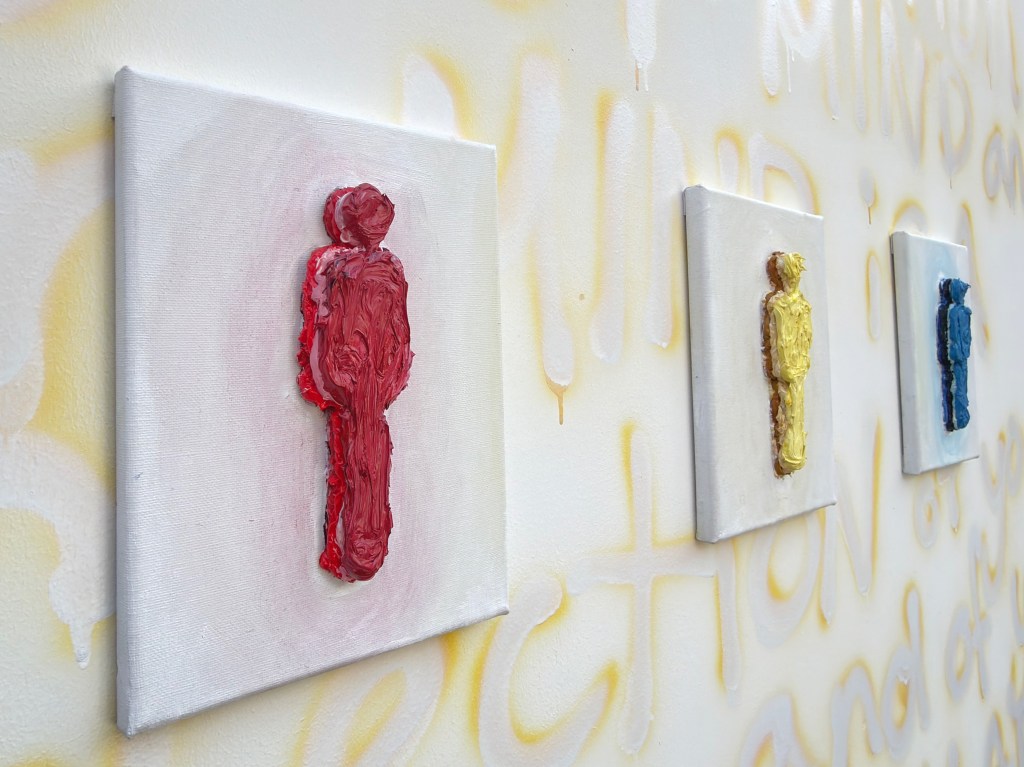
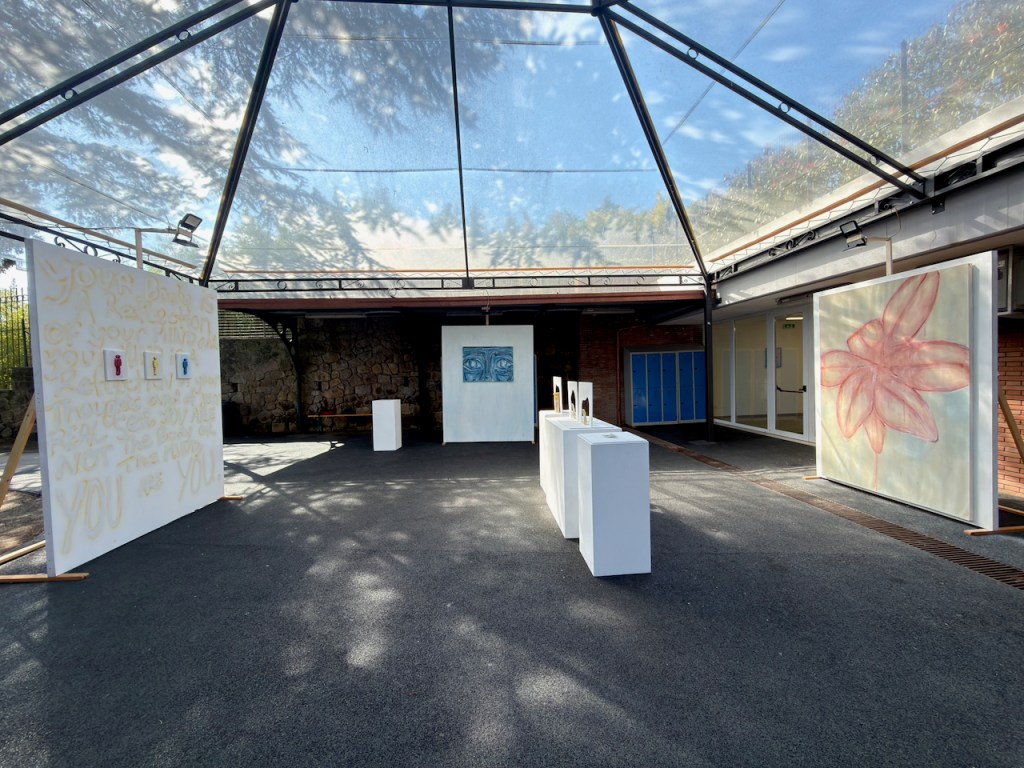
The exhibition is structured to create dialogue between works, particularly through mirrored and confrontational arrangements, reinforcing the idea of a divided self. This reflects how material processes can articulate psychological states, with clear development of ideas across the body of work.
Across all three exhibitions, meaning is constructed through the interaction of material process, spatial arrangement, and viewer positioning, reflecting a sustained investigation into how artworks operate beyond the limits of the picture plane. The gallery space becomes an active site in which works are experienced relationally rather than as isolated objects.
For current and prospective IB Visual Arts students, this exhibition provides a clear model of the course expectations. Success lies not only in technical skill, but in the ability to sustain an inquiry over time, to develop a coherent visual language, and to make deliberate, informed decisions about how ideas are communicated through material, form, and space.


Leave a Reply