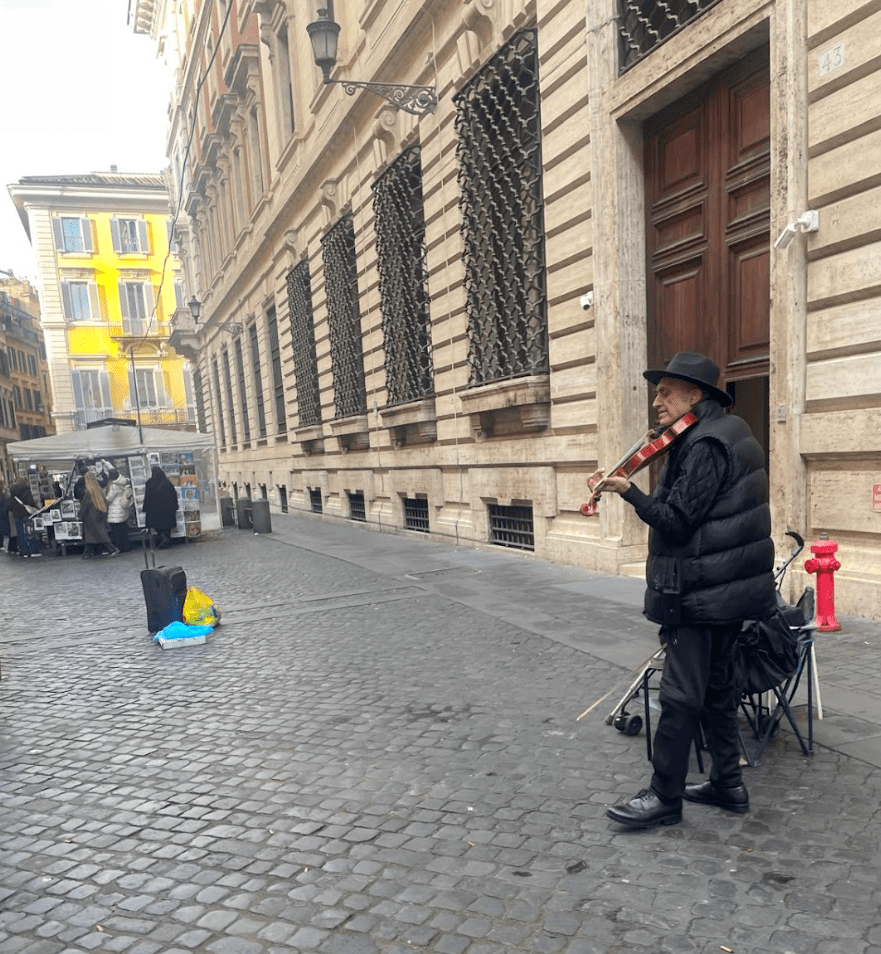
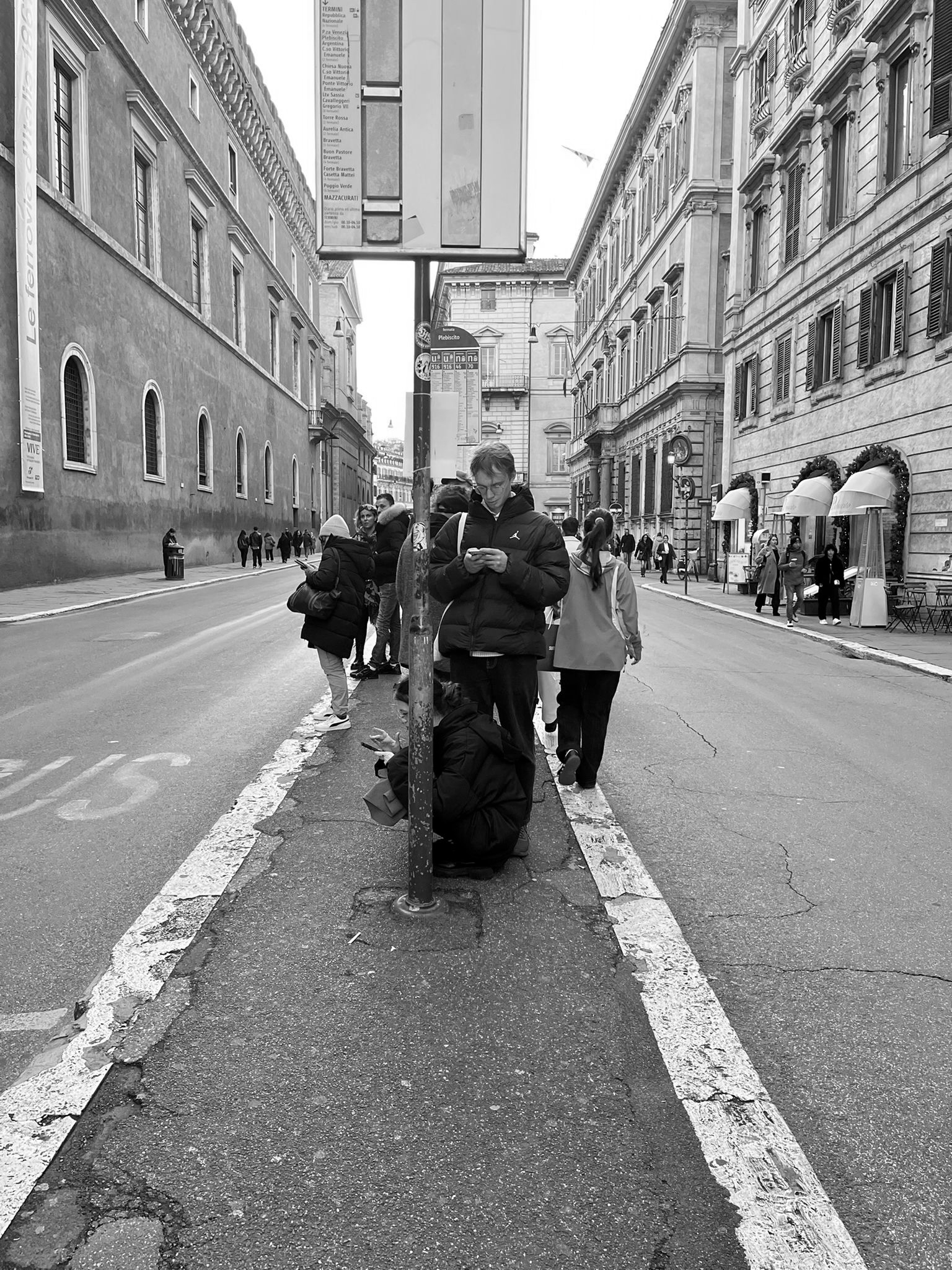
In this photography project, students investigated the visual language of Realism through close observation of contemporary Roman life. Drawing inspiration from nineteenth-century Realist artists, such as Jean-François Millet and Gustave Courbet, who sought to represent ordinary people with honesty and dignity, students explored how the streets of modern Rome continue to reveal stories of labor, routine, resilience, and community.
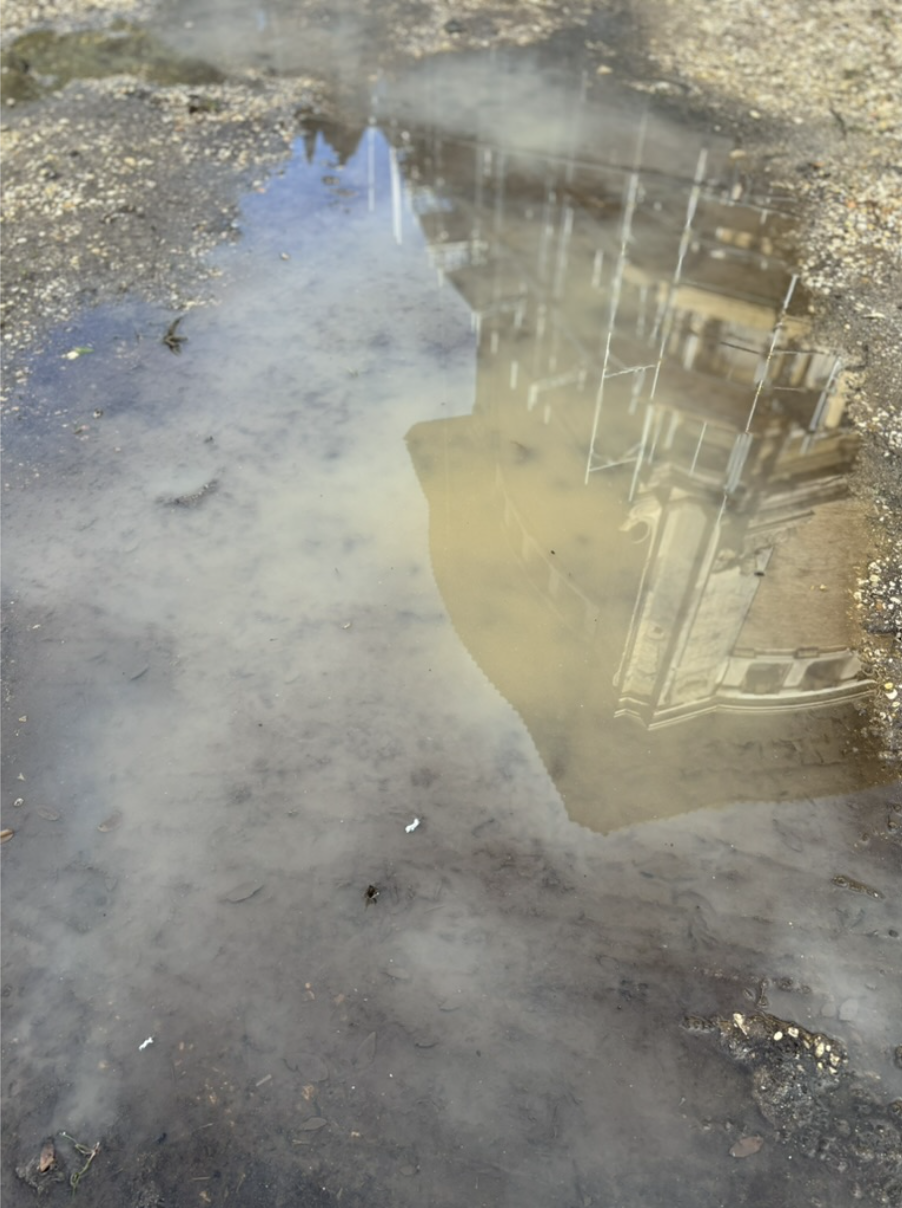
Before photographing, students developed detailed plans that considered both subject matter and technical approach. They identified locations across the city that reflected the realities of working-class life, from crowded markets and tram stops, to apartment courtyards, construction sites, and neighborhood cafés. For each location, students reflected on why the space was significant, the best times to observe authentic activity, and finally the practical considerations involved in photographing public life respectfully, ethically, and responsibly.
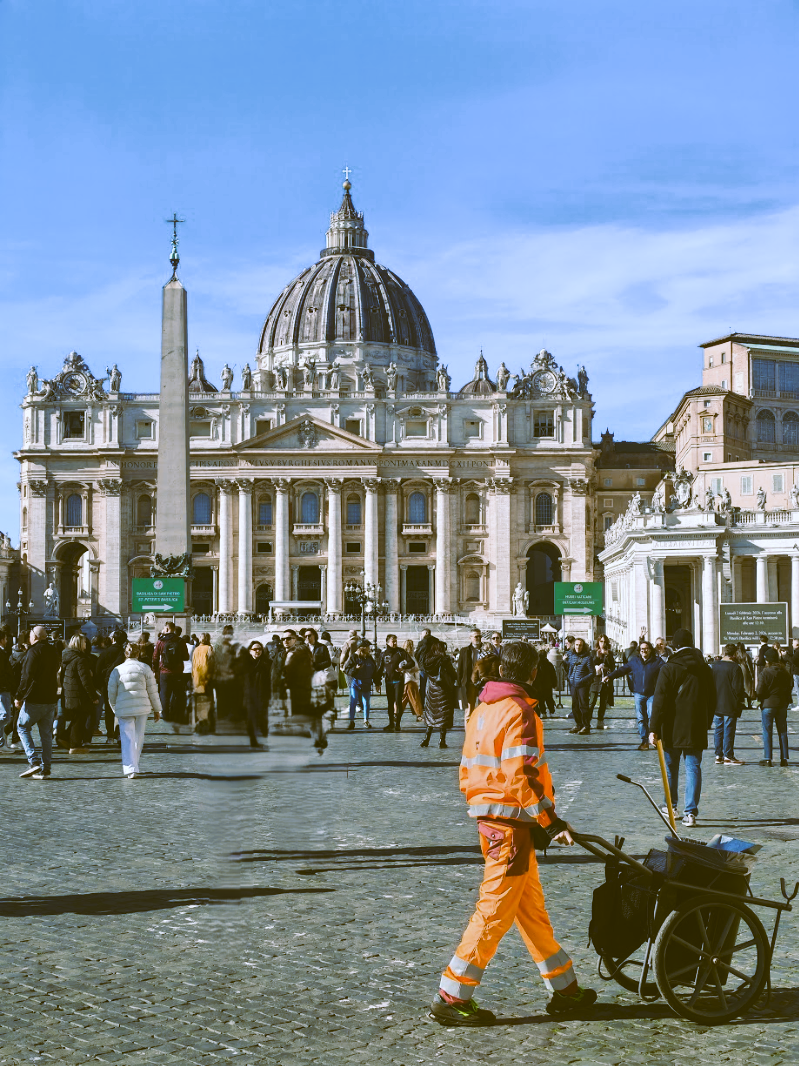
As part of their preparation, students also considered how each intended image connected to the core principles of Realism. Rather than searching for dramatic spectacle or idealised beauty, they focused on ordinary moments that often pass unnoticed: early morning deliveries, commuters waiting in silence, conversations between market vendors and clients, worn textures of streets and buildings, and gestures shaped by repetition and daily work. These scenes became opportunities to examine how photography can document lived experience with clarity and empathy.
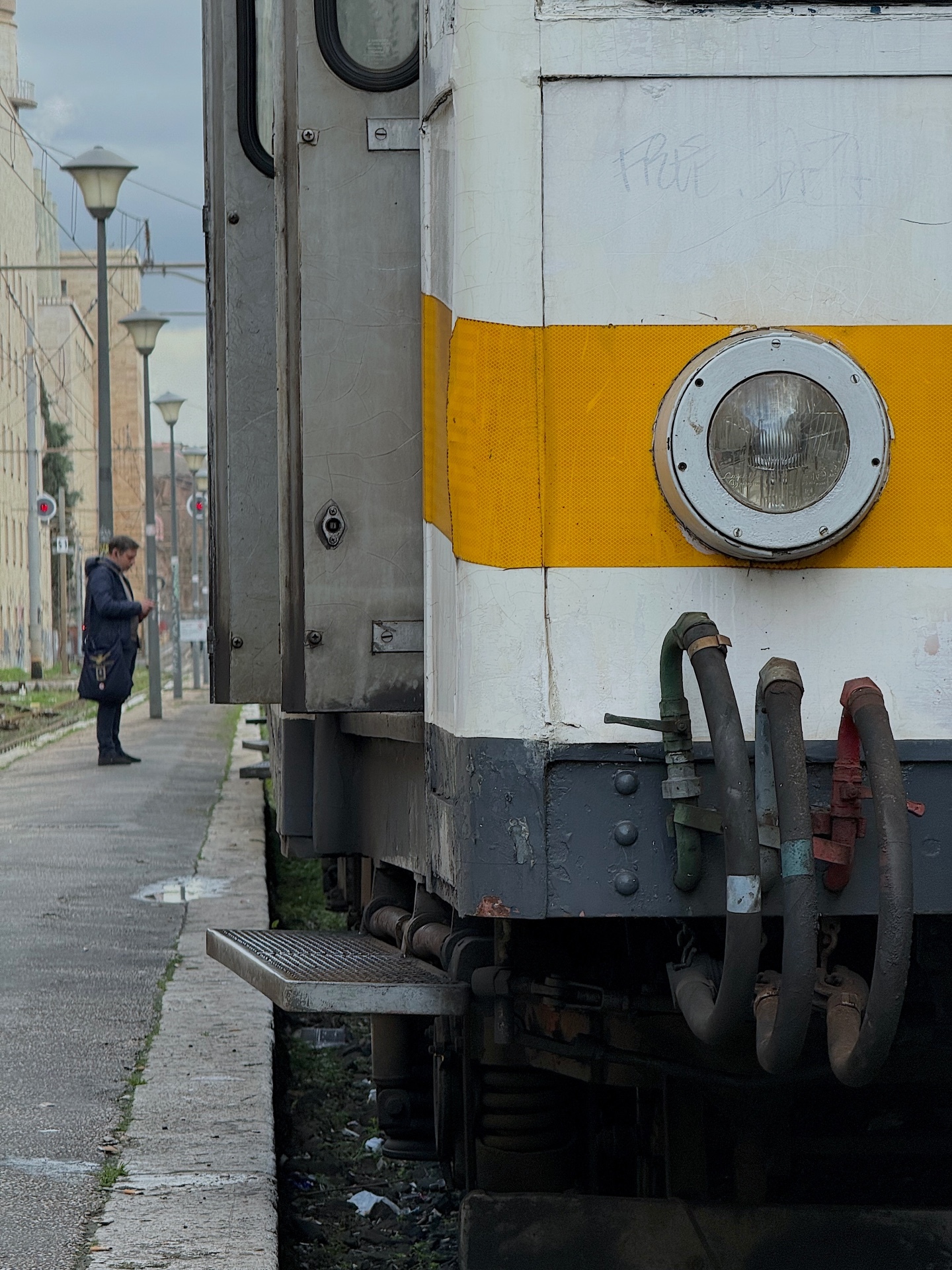
Technical decision-making played an essential role throughout the project. Students experimented with composition, perspective, and natural light in order to strengthen the narrative quality of their images. Some used low angles to emphasize physical labor and urban scale, while others framed subjects within layered architectural environments to suggest density, movement, and social rhythm. Attention to timing, shadow, and ambient light allowed students to capture the atmosphere of the city without staging or artificial intervention.
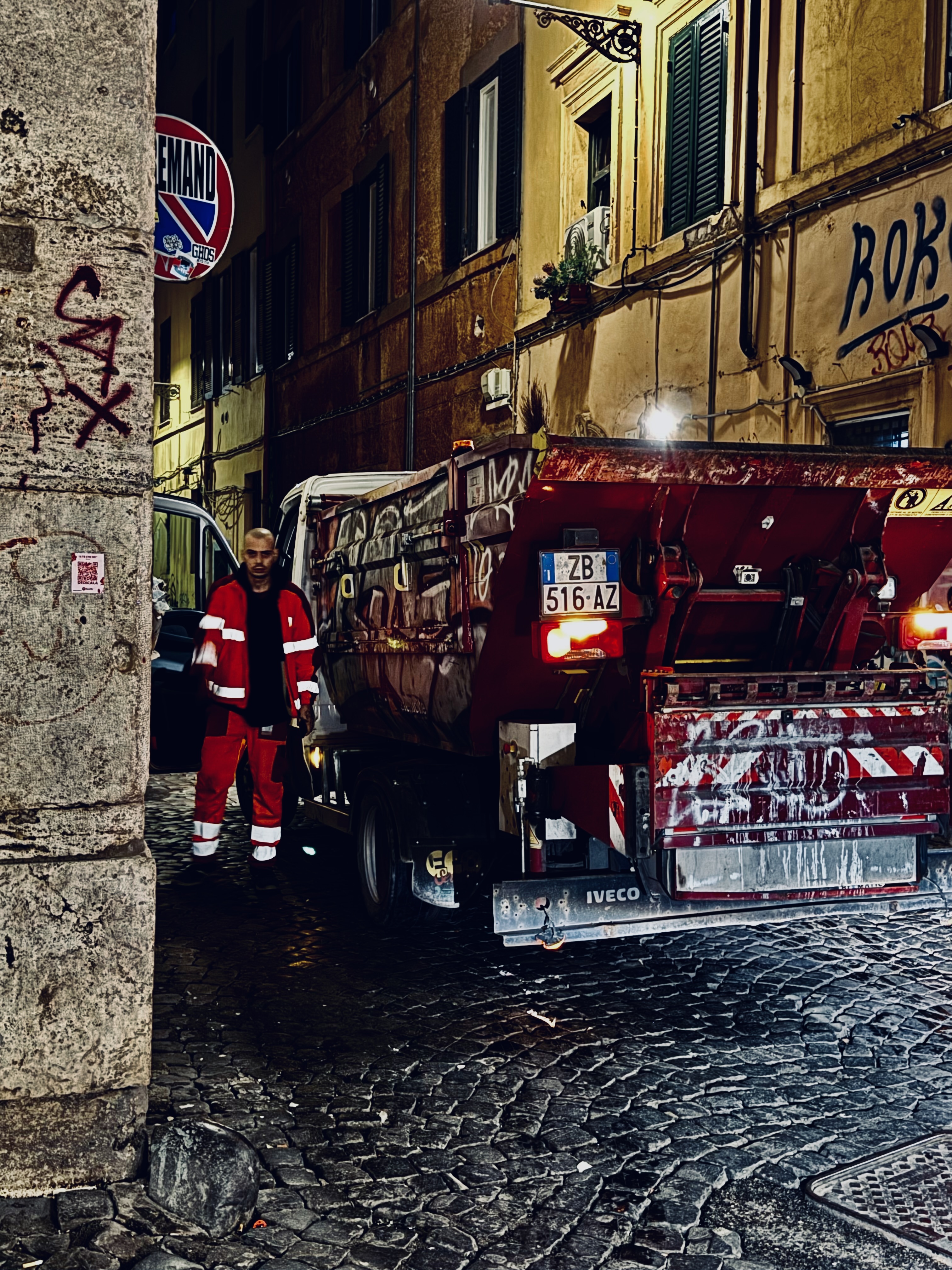
Across the series, students demonstrated growing confidence in combining technical competence with conceptual intention. Their photographs reveal an understanding that Realism is not simply about recording what is visible, but about observing society carefully and presenting it truthfully. Modern Rome emerges not as a postcard image of monuments and tourism, but as a living city shaped by the routines, struggles, and quiet dignity of everyday people.
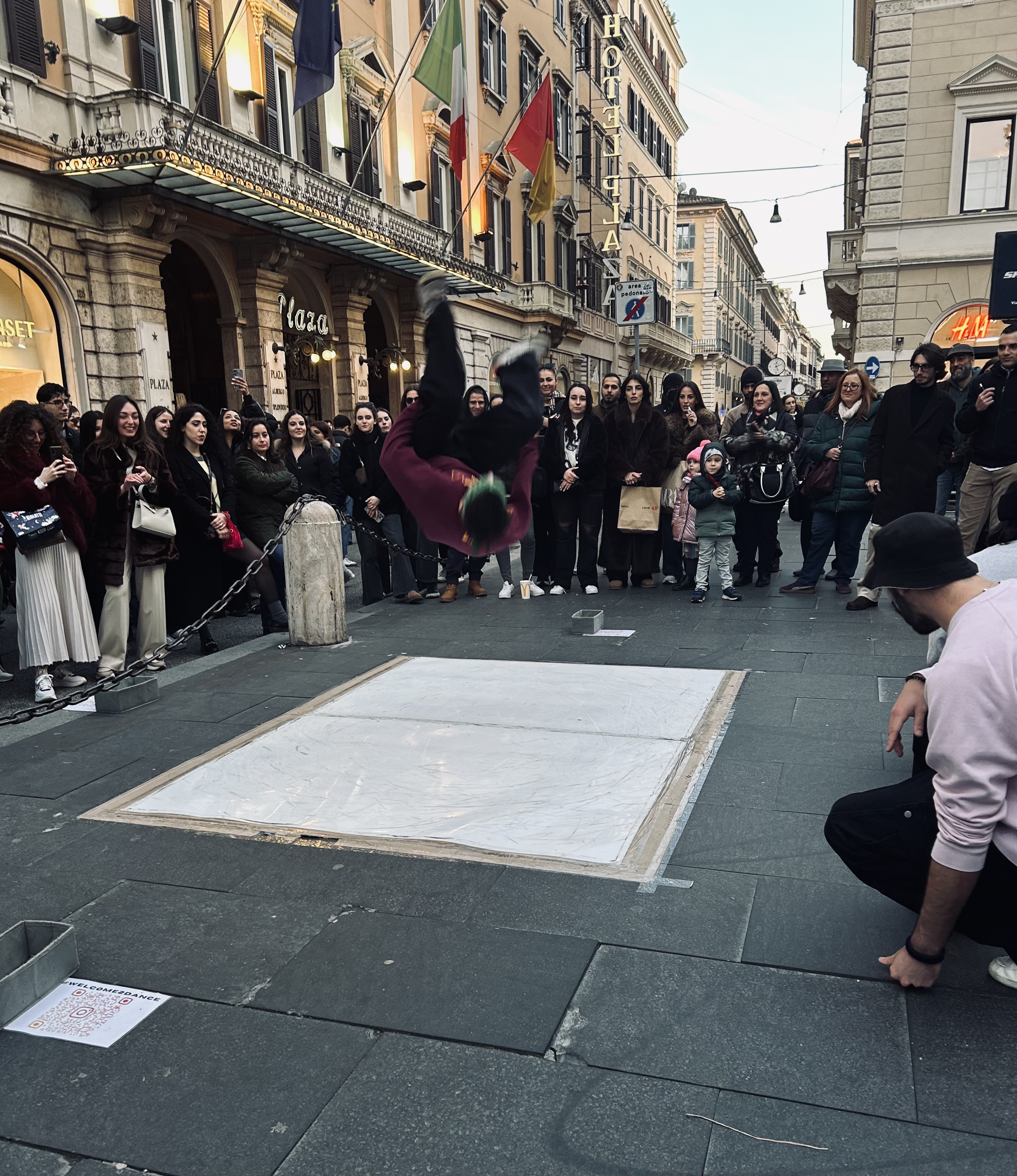
Through this project, students began to understand one of Realism’s central ideas: that art can give significance to ordinary life by looking closely, patiently, and honestly at the world as it is.
#Grade8Art #Realism #PhotographyProject #StreetPhotography #VisualStorytelling #ContemporaryRome #DocumentaryPhotography #ArtEducation #WorkingClassLife #VisualArtsEducation #MMIArt


Leave a Reply