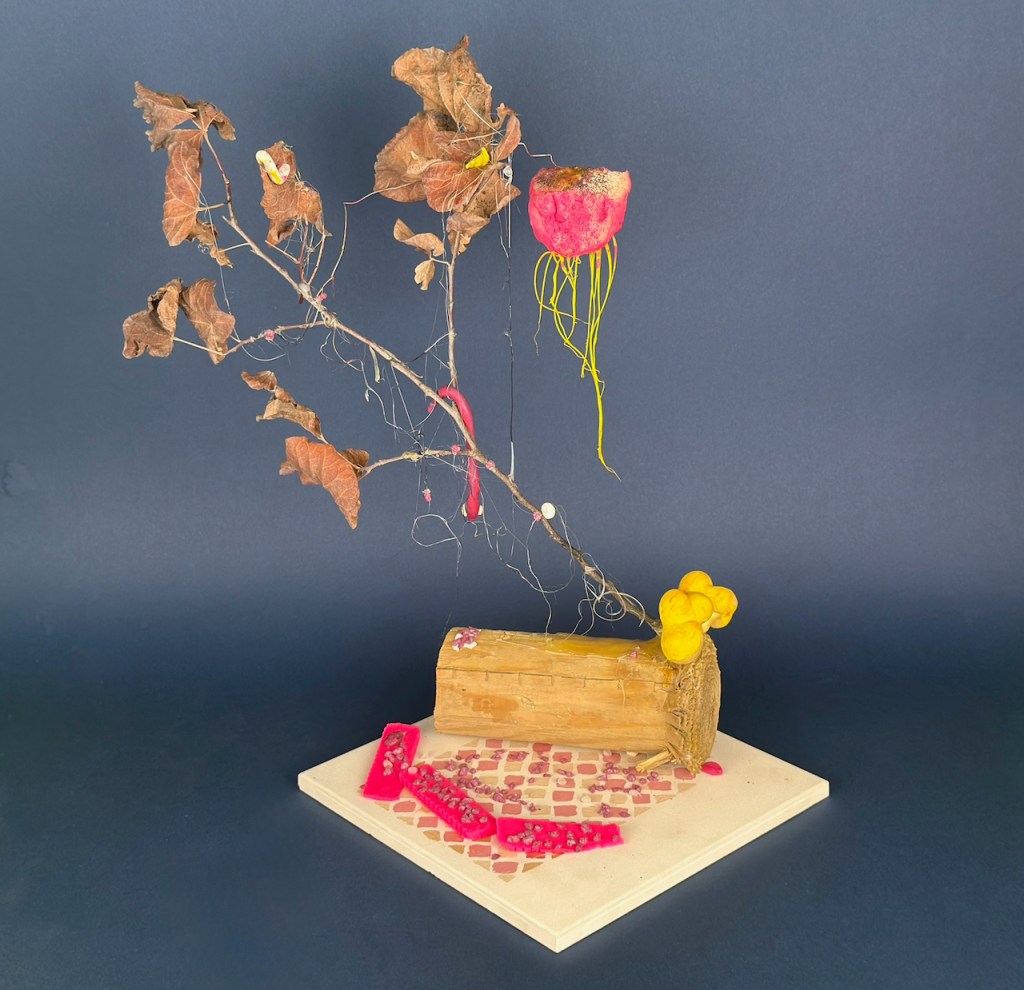
ACCUMULATE was an exploratory sculpture project that encouraged students to discover the artistic possibilities of everyday materials. Rather than beginning with traditional art supplies or a predetermined sculptural form, students were invited to work with what they could find: discarded objects, household items, fragments of packaging and materials collected from their surroundings.
The project began with a simple proposition: What happens when ordinary objects are brought together, transformed and allowed to become something unexpected?
Learning to Think Sculpturally
Before beginning their extended compositions, students explored fundamental sculptural concepts such as tension, fragility, compression, balance, suspension and support.
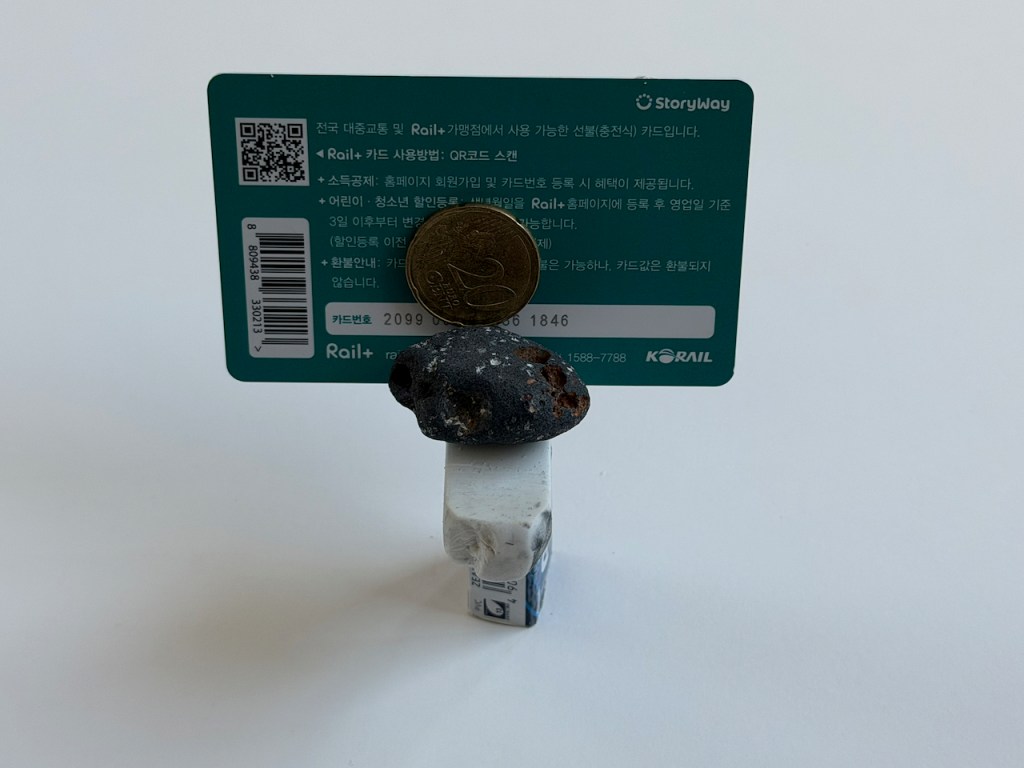
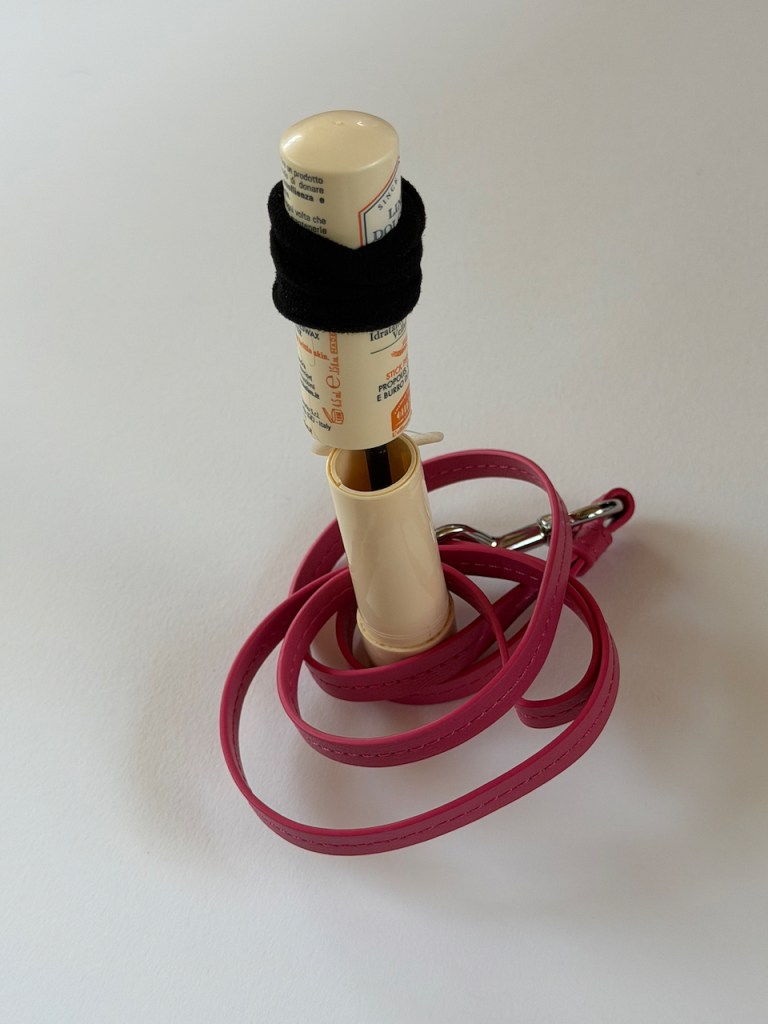
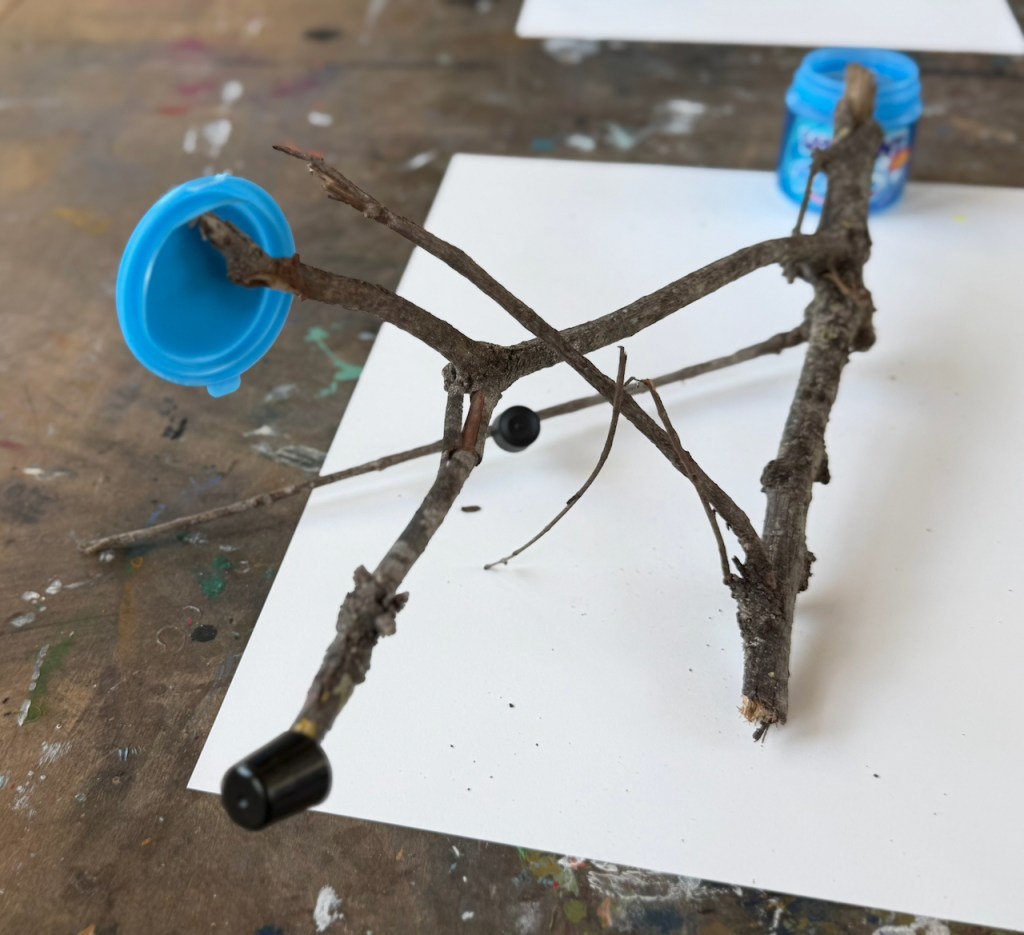
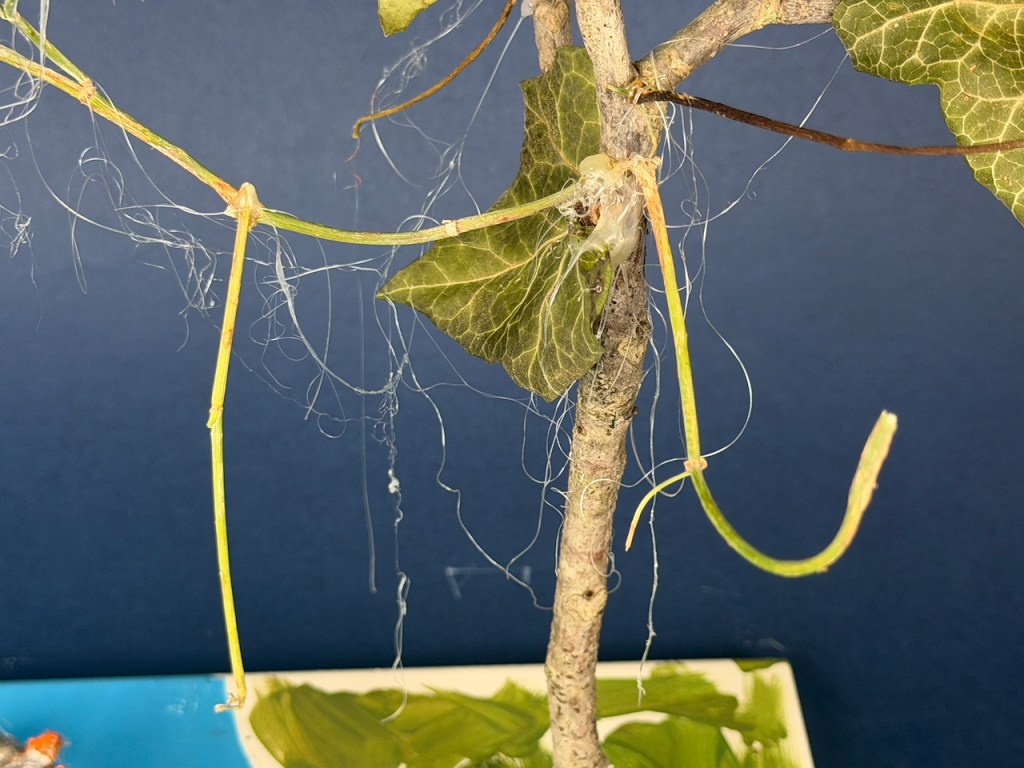
Through quick experiments, they investigated how objects behave in relation to one another: how something might rest precariously on another surface, how a branch might support an unexpected weight, or how a suspended object could introduce movement into an otherwise static composition.
During one critique, students noticed that a small object suspended from a twig was moving almost imperceptibly in response to the classroom air conditioning. What had begun as a simple exercise in balance became an unexpected investigation into fragility, movement and the surrounding environment.
The Art of Accumulation
Building on these initial experiments, students were introduced to the central creative strategy of the project: accumulation.
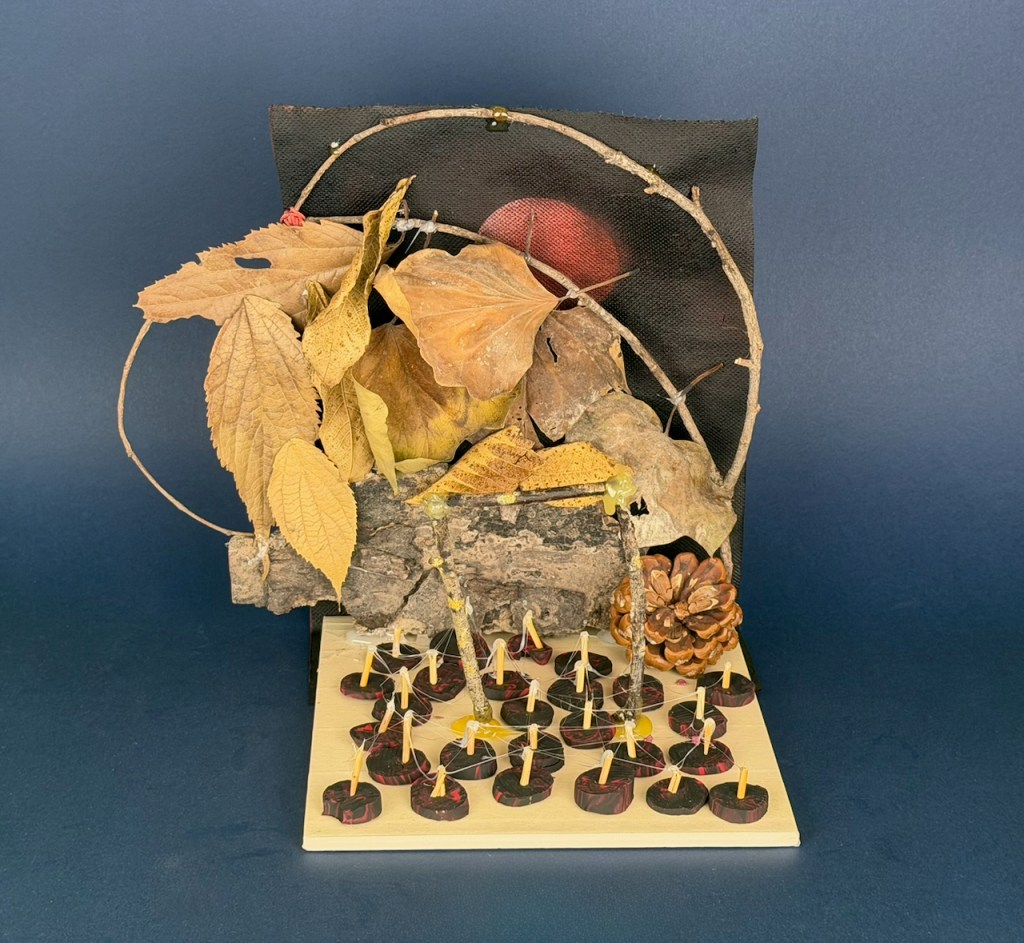
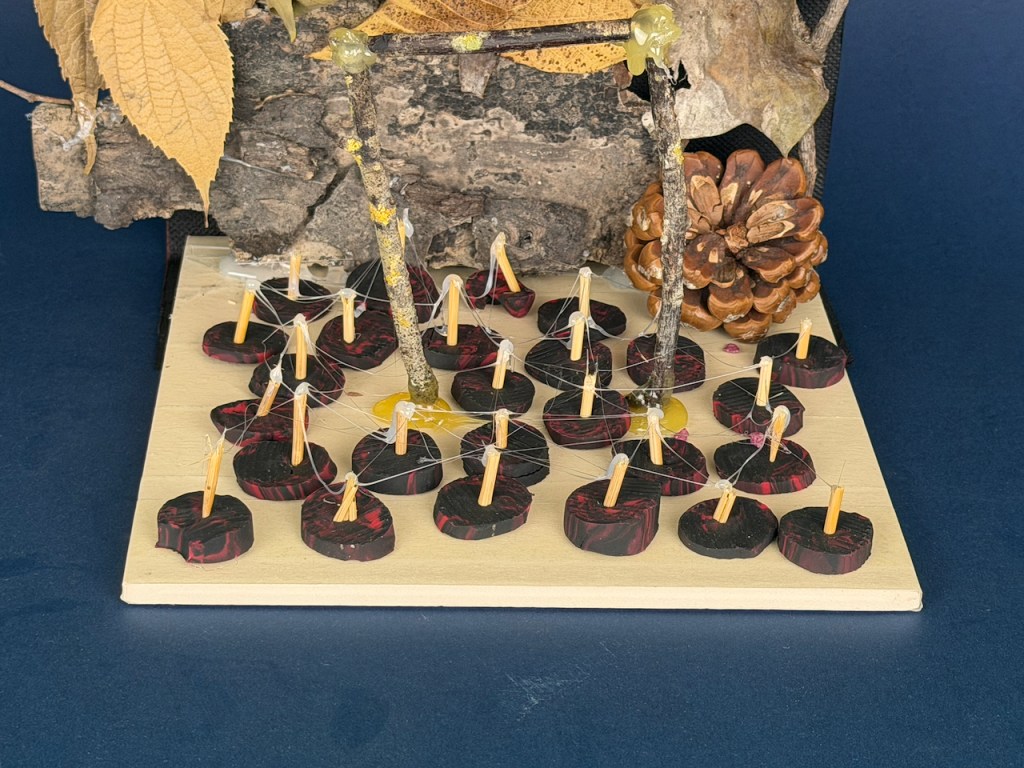
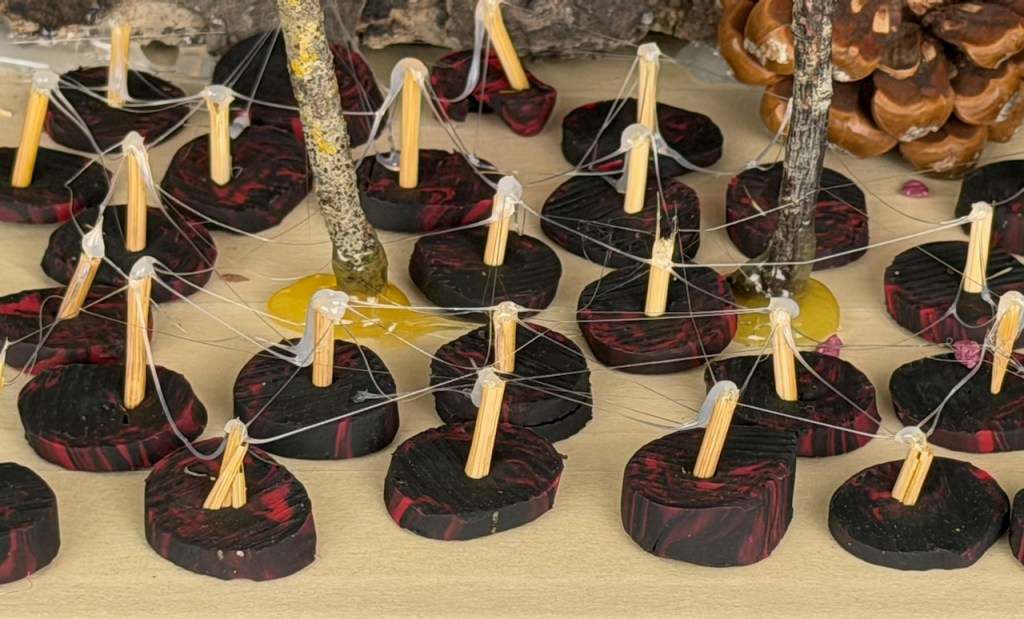
Working on small ceramic tiles that served as miniature sculptural stages, they began constructing compositions through the gradual addition, repetition, fragmentation and transformation of materials.
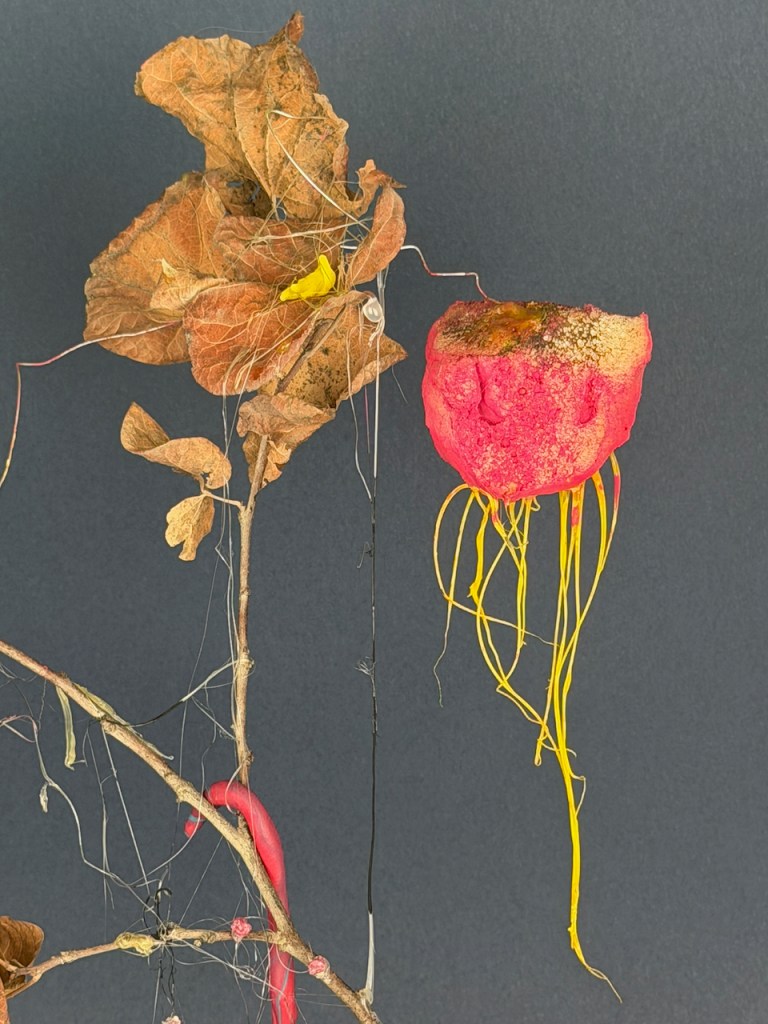
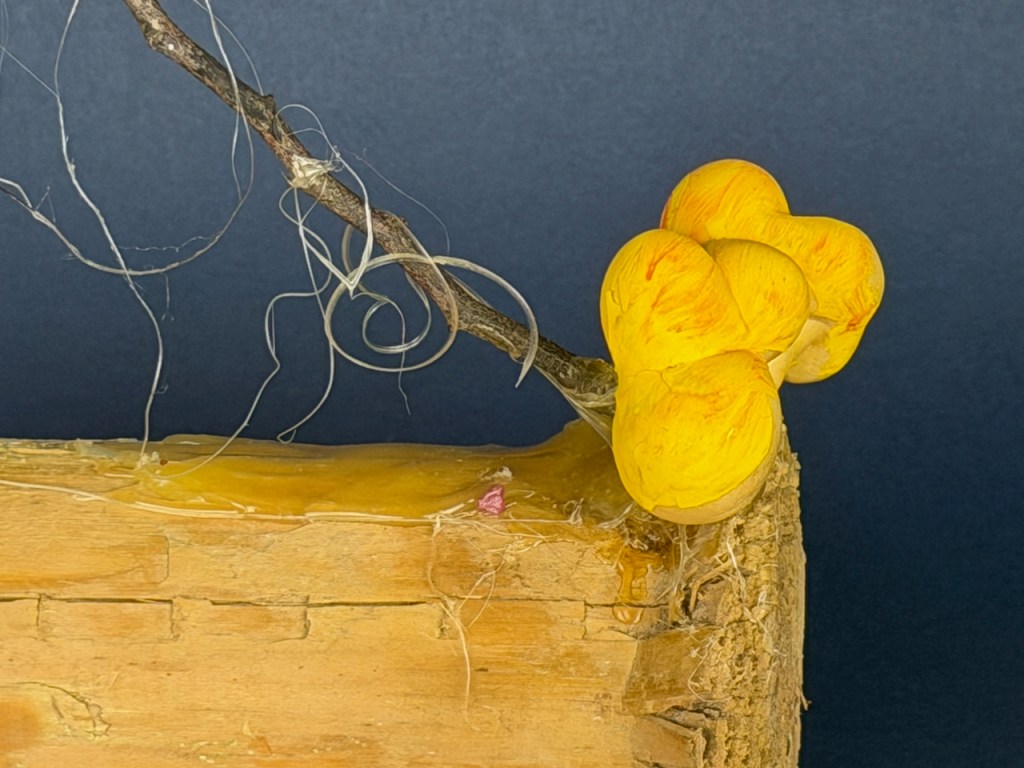
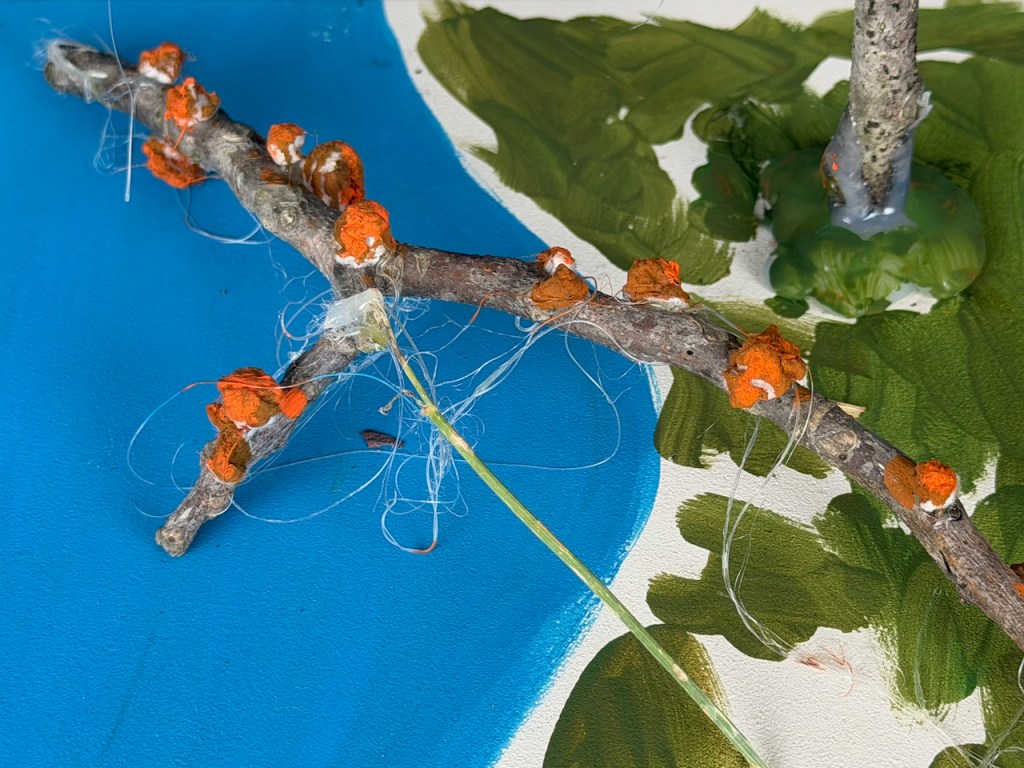
Plasticine was sliced, pressed, wrapped and clustered around branches. Natural forms were combined with brightly coloured artificial elements. Small quantities of expanding foam introduced unfamiliar textures and unexpected growths. Hot glue was sometimes allowed to drip and accumulate, creating delicate formations resembling sap, webs or stalactites.
These interventions gradually changed the character of the original objects, creating unfamiliar relationships between natural and manufactured materials.
Sculpture as Inquiry
The finished works reveal a remarkable variety of responses to a shared starting point.
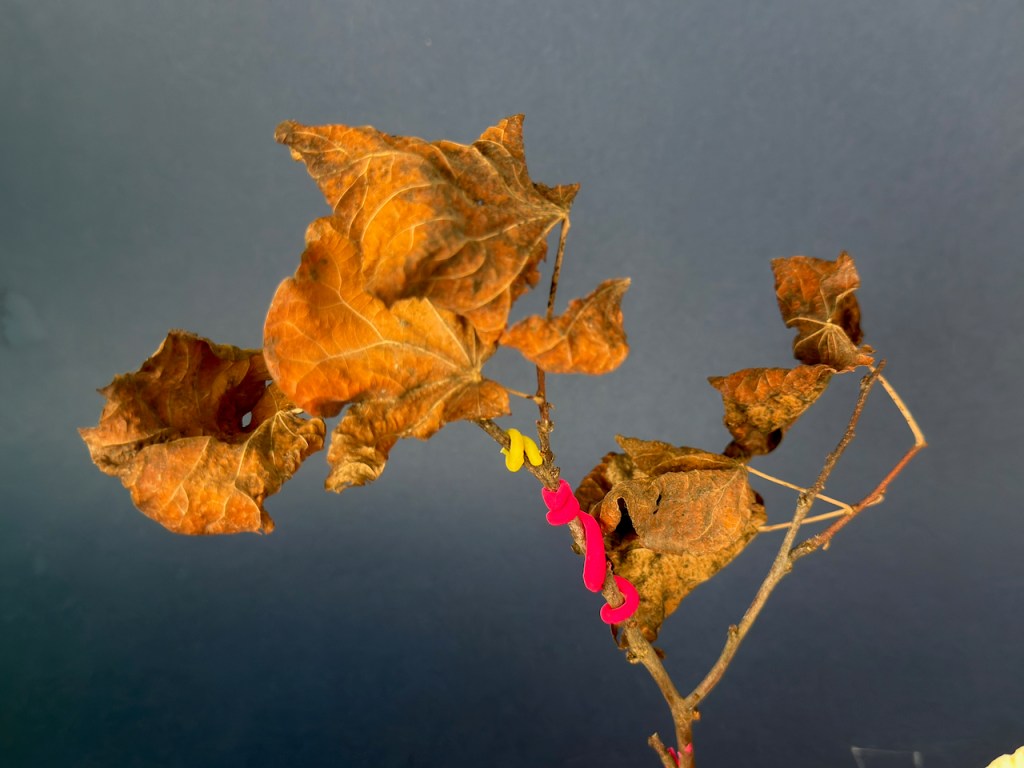
Some resemble strange botanical specimens, with dried leaves and branches supporting brightly coloured growths. Others suggest miniature landscapes, precarious structures or complex networks of repeated forms.
In several works, natural materials appear to have been overtaken by artificial interventions. Plasticine clusters emerge from branches, vivid colours interrupt muted organic surfaces, and repeated elements create unexpected patterns and rhythms.
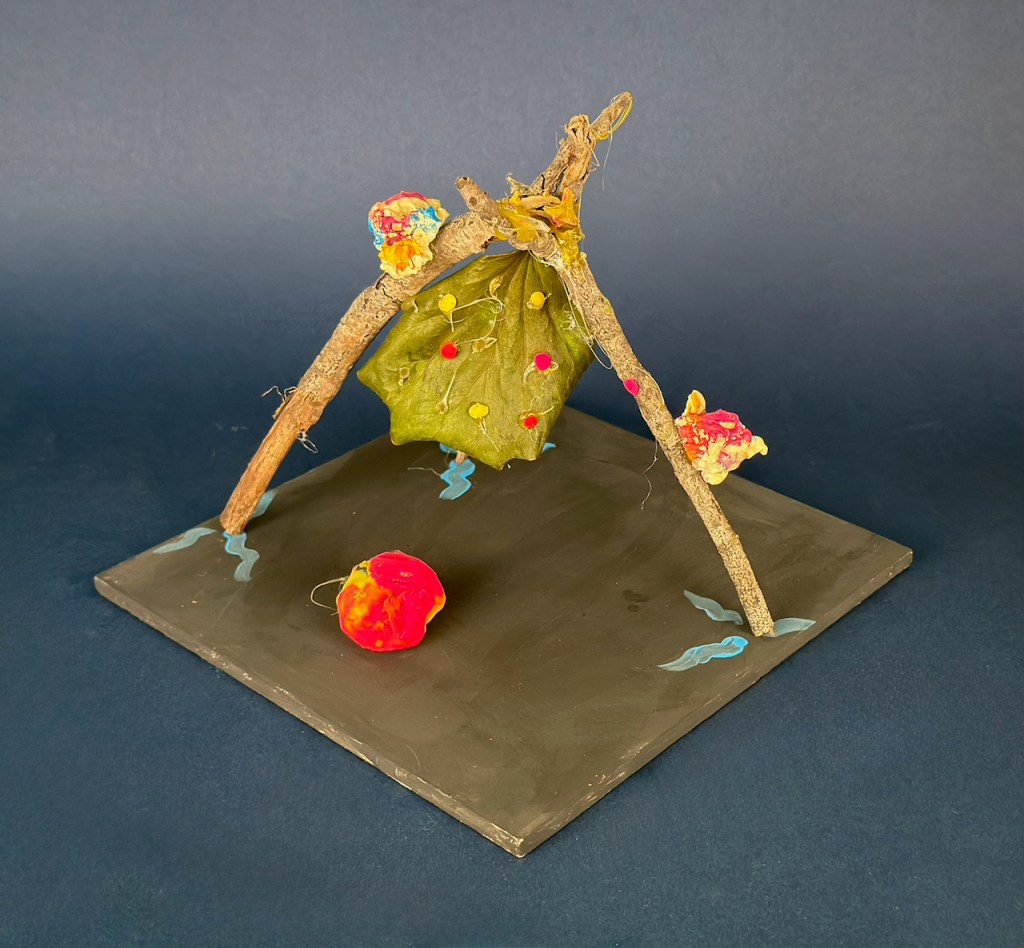
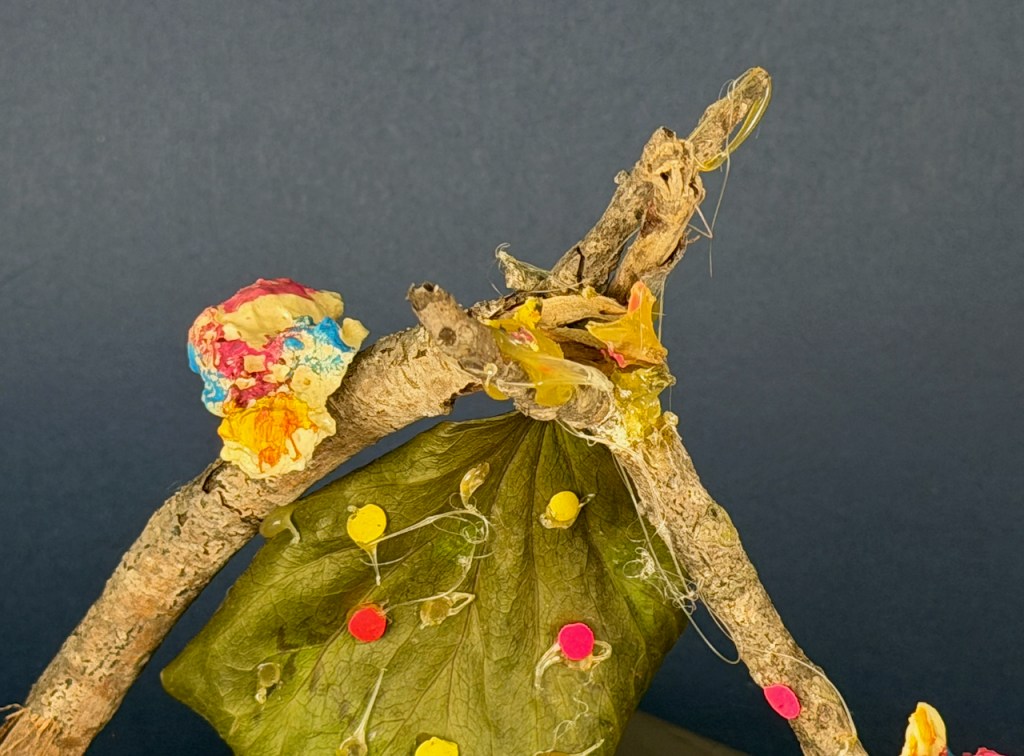
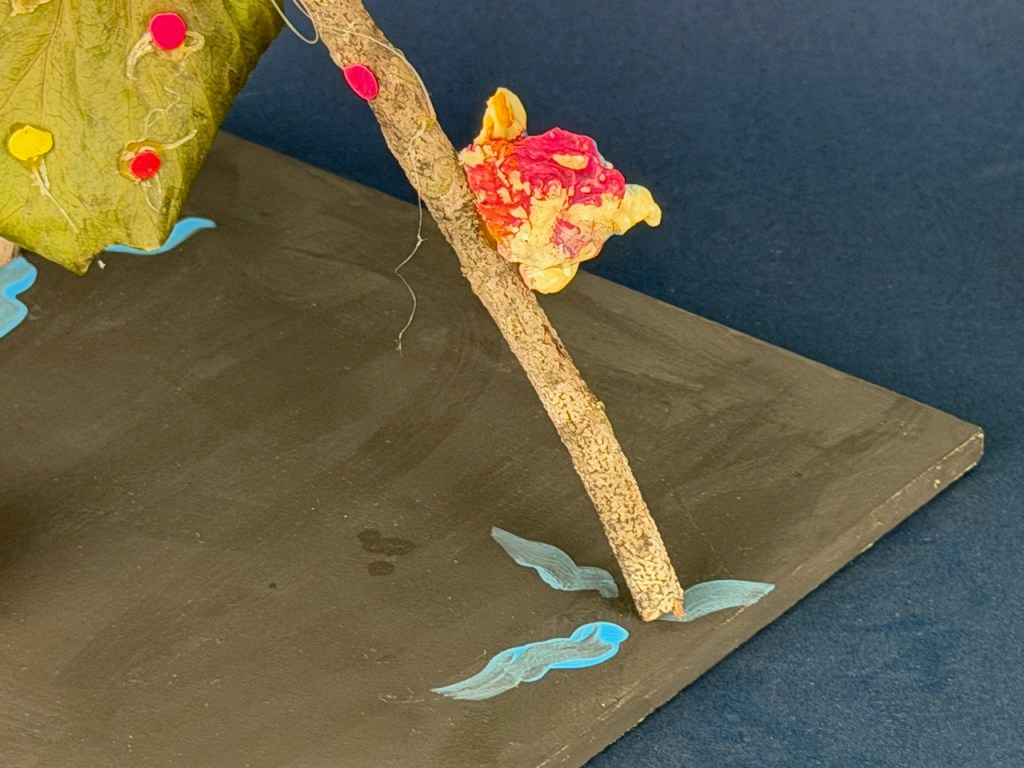
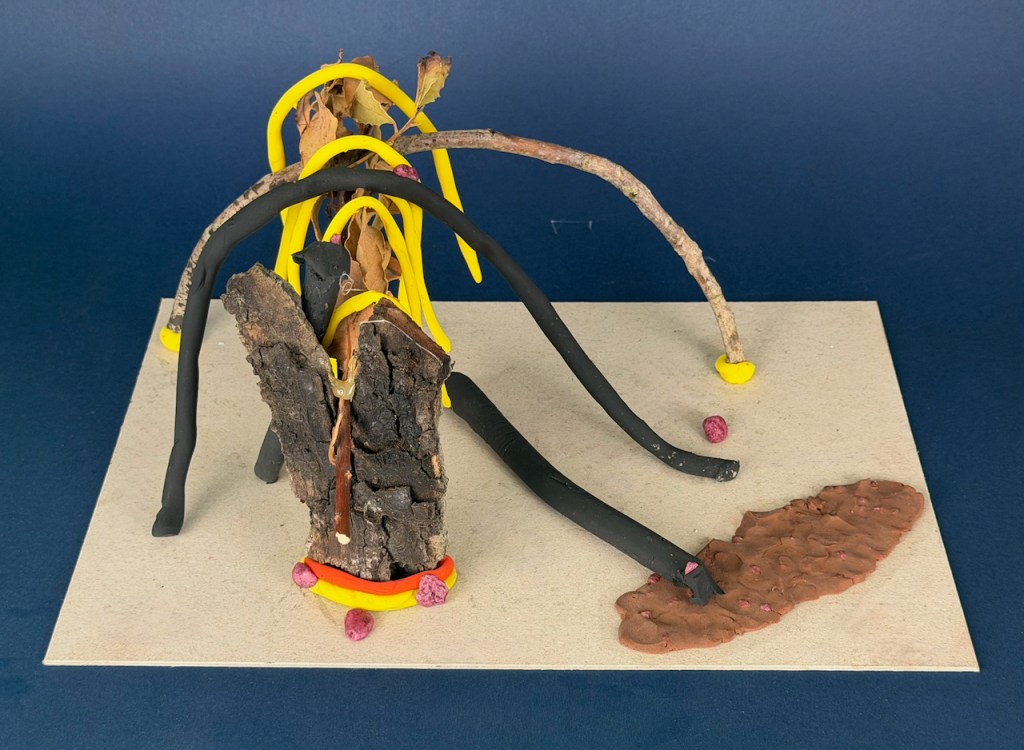
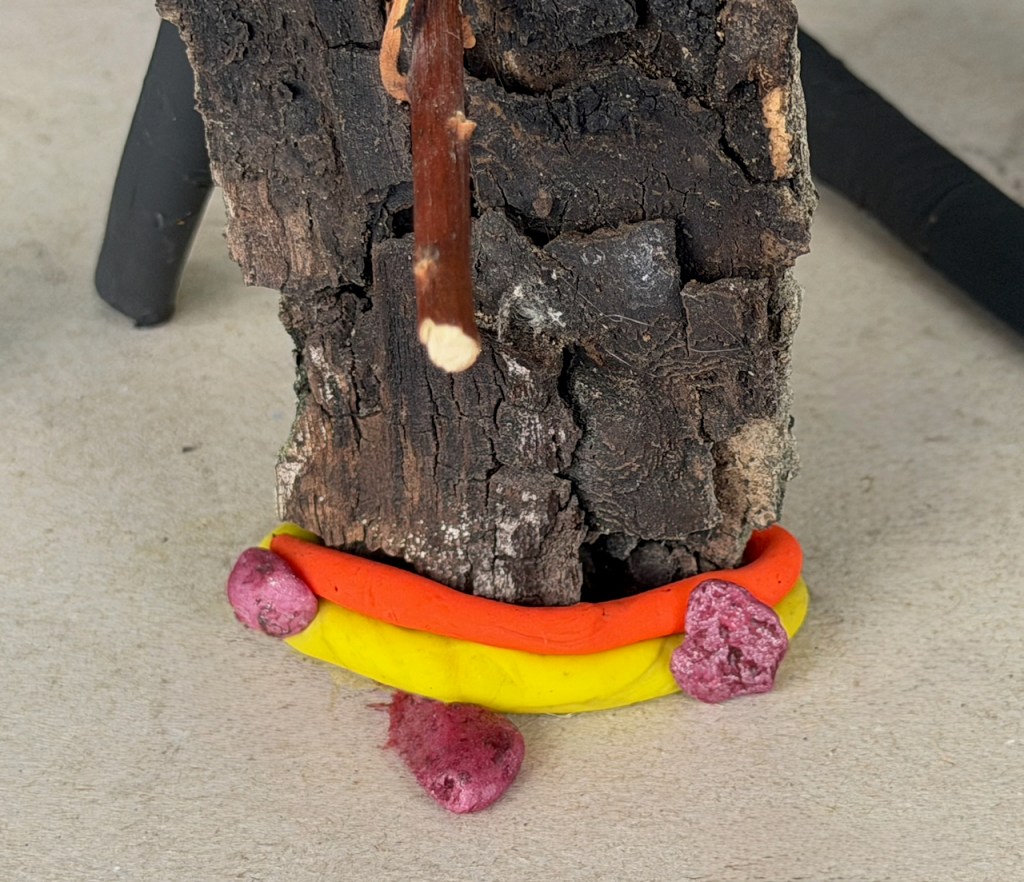
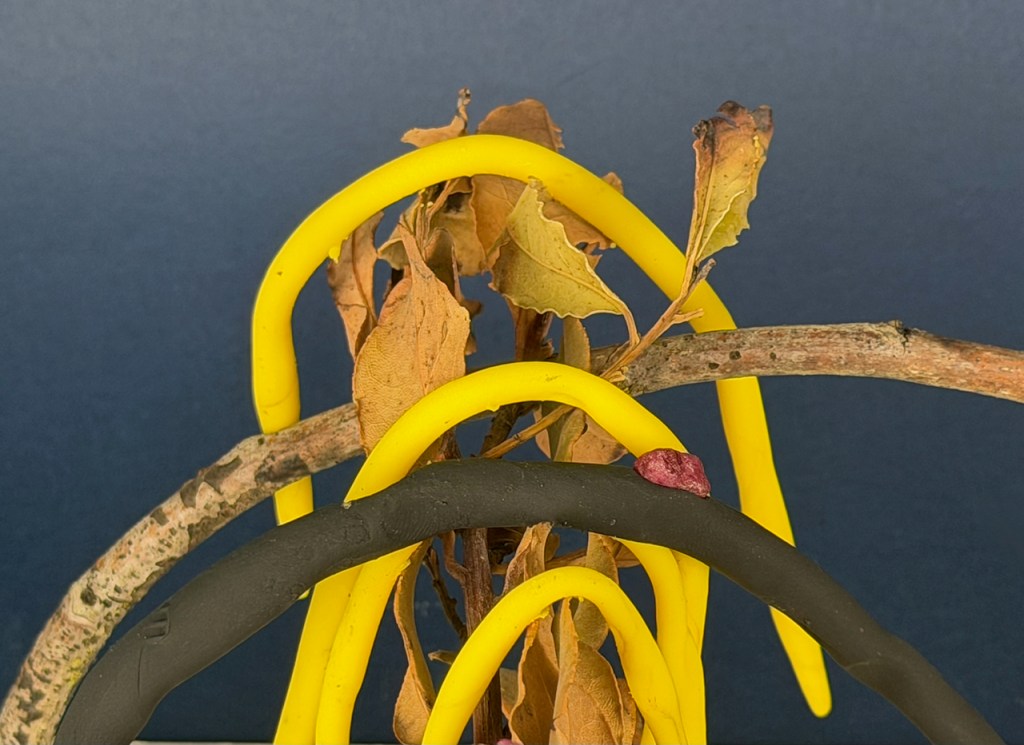
Elsewhere, the sculptures seem to occupy a space somewhere between an improvised construction and an imagined ecosystem.
What connects these works is not a shared appearance, but a shared process of investigation.
Each student began with ordinary materials and developed a sculptural language through a succession of small decisions, discoveries and revisions.
The project also challenged the assumption that an artwork must begin with a fully formed idea.
Instead, students experienced how artistic possibilities can emerge through direct engagement with materials. The weight of an object, the flexibility of a branch, the behaviour of glue or the repetition of a small form could suggest possibilities that had not been anticipated.
In this sense, making became a way of generating knowledge rather than simply executing a plan.
Learning to See Materials Differently
Perhaps the most significant outcome of ACCUMULATE was the shift in how students began to perceive the objects around them.
A twig was no longer simply a twig. It could become a structural support, a suspended line, a point of tension or the beginning of a more complex sculptural relationship.
A fragment of plasticine could become a repeated unit, a contrasting surface or an unexpected growth.
Even the empty spaces between objects became active elements within a composition.
Through accumulation, fragmentation, repetition and careful editing, familiar materials acquired unfamiliar identities.
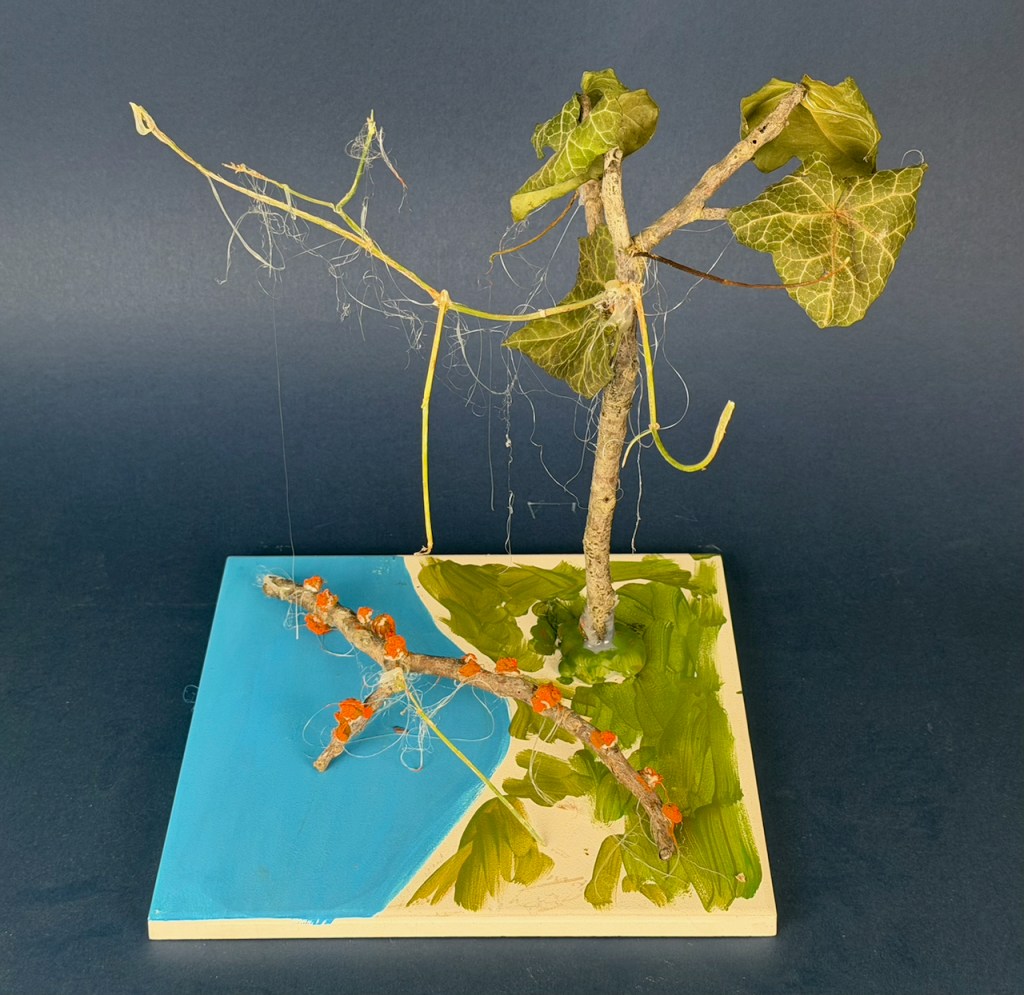
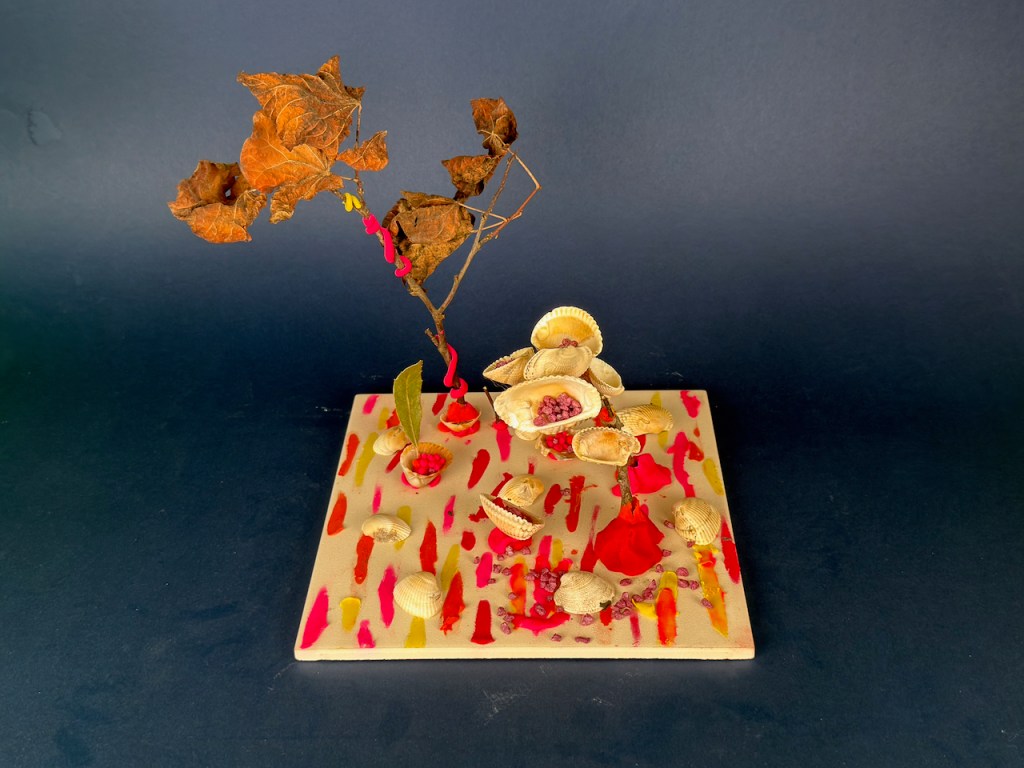
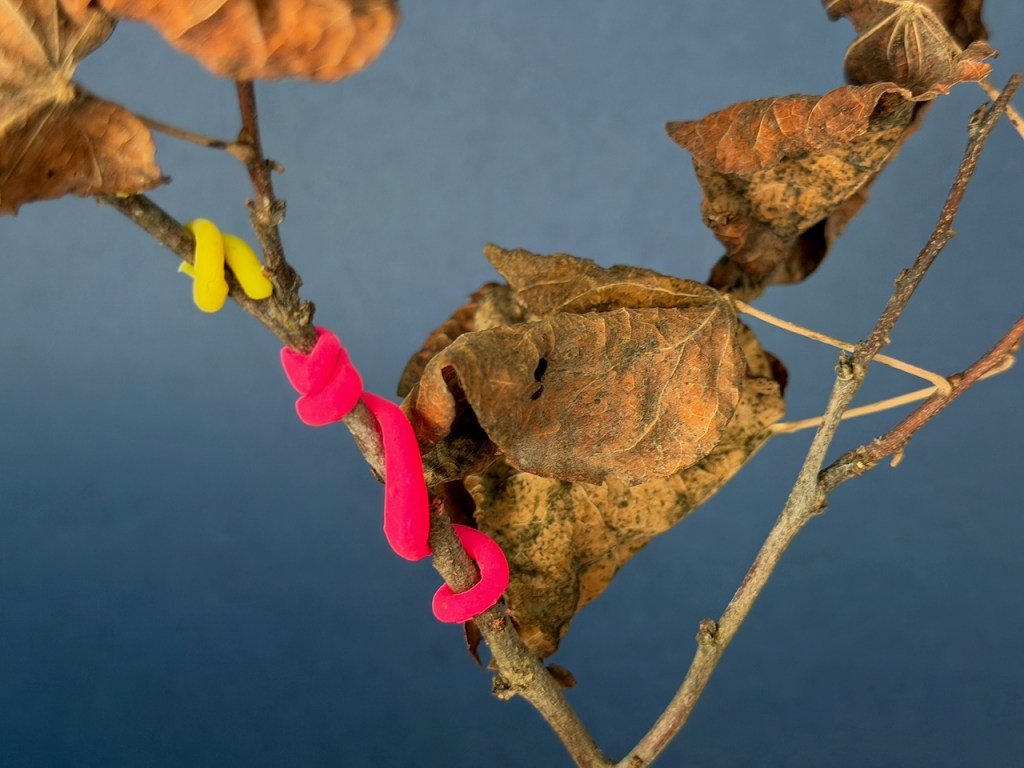
The finished sculptures demonstrate what can happen when students are given permission to experiment without knowing exactly where the process will lead.
ACCUMULATE ultimately became an investigation into the relationship between looking, making and thinking.
Students began with five ordinary objects. What emerged was not simply a collection of sculptural constructions, but a developing understanding of how materials, forms and spaces can be transformed through artistic decisions.
And perhaps that is the most enduring lesson of the project: learning to make sculpture also means learning to see possibilities where previously there were only objects.


Leave a Reply