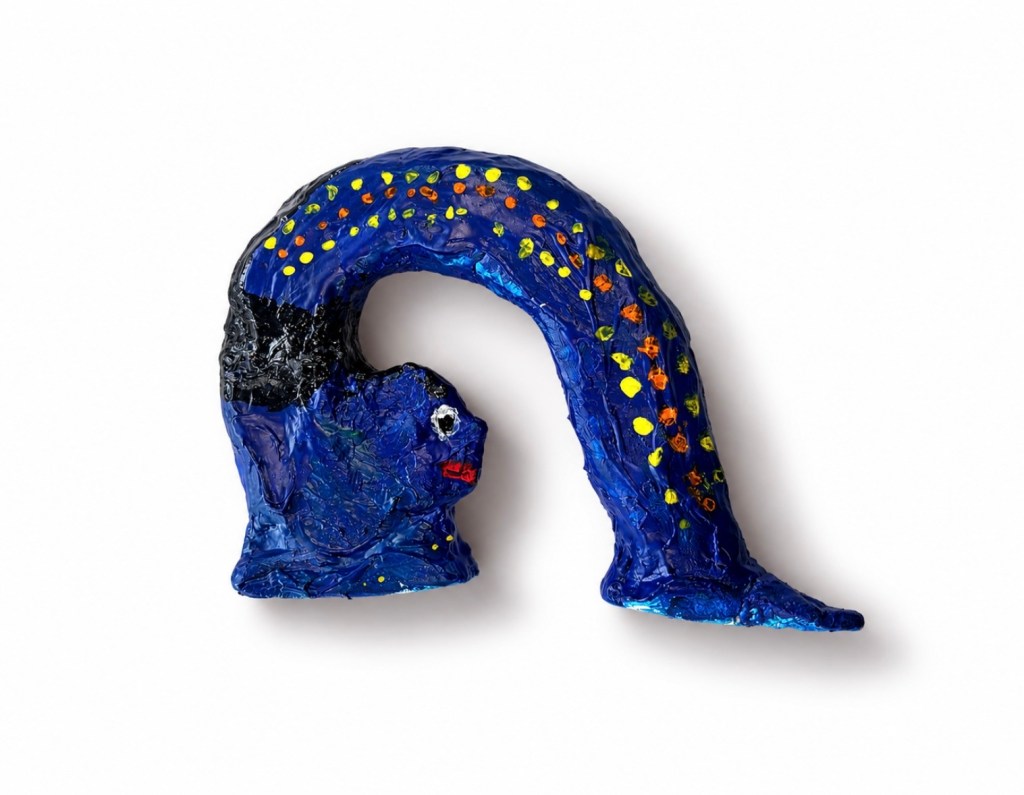
Grade 6 Visual Arts | Ancient Egypt, Mythology & Contemporary Sculpture
What happens when the gods of Ancient Egypt are reimagined through the eyes of a contemporary young artist?
Grade 6 Visual Arts students explored Egyptian mythology, investigating how animal characteristics, symbolic colours, distinctive forms and exaggerated proportions communicated the identities and powers of ancient deities.
Rather than reproducing historical artefacts, students were encouraged to reinterpret these figures through their own artistic imagination, transforming ancient imagery into colourful, expressive and highly individual sculptures.
The central inquiry was simple: How can we transform a historical figure into something new while retaining elements of its original identity?
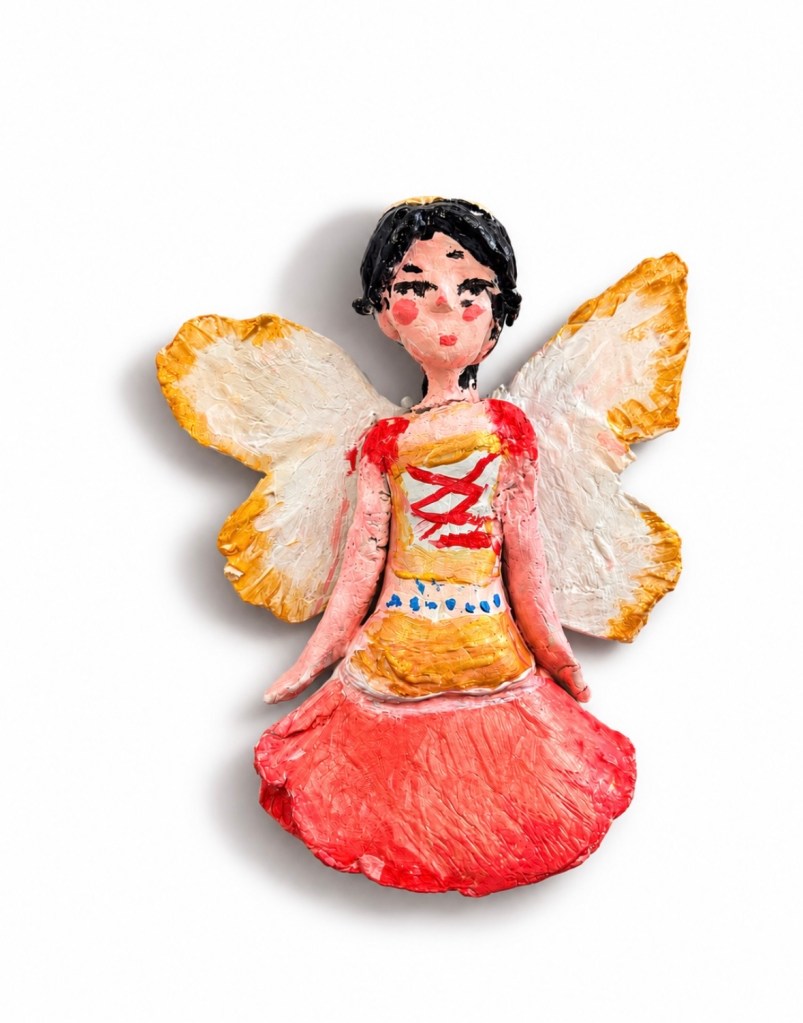
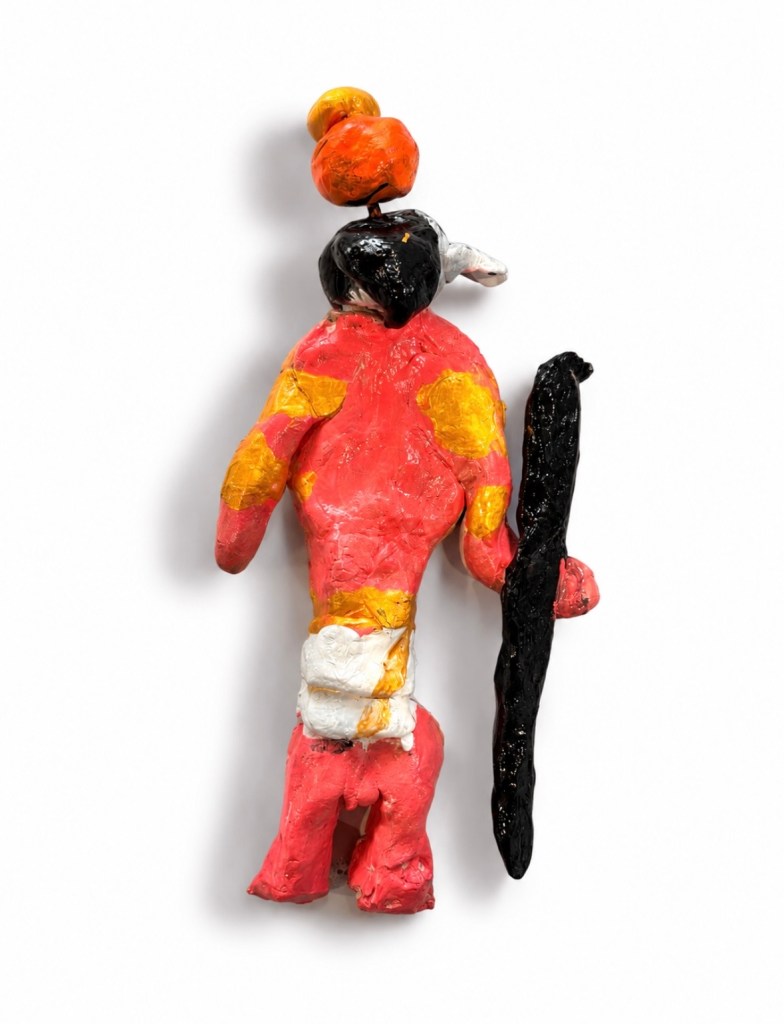
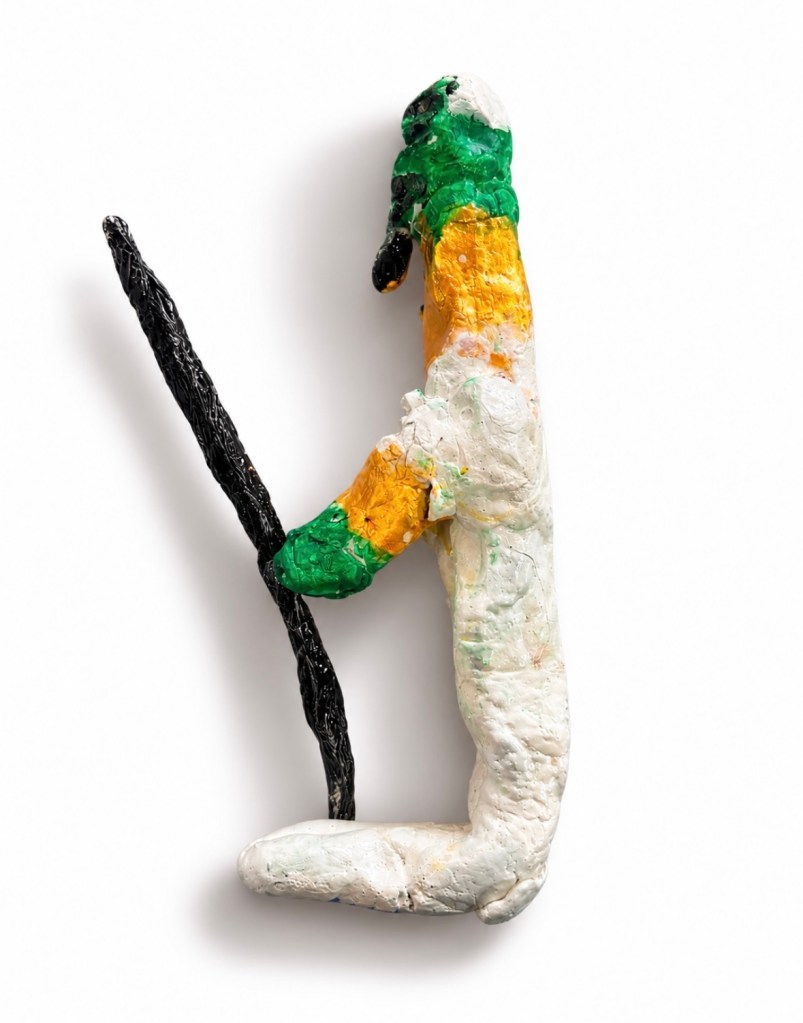
Exploring Form, Material and Character
Working in three dimensions, students investigated how simplified shapes, exaggerated proportions and expressive gestures could communicate personality and identity.
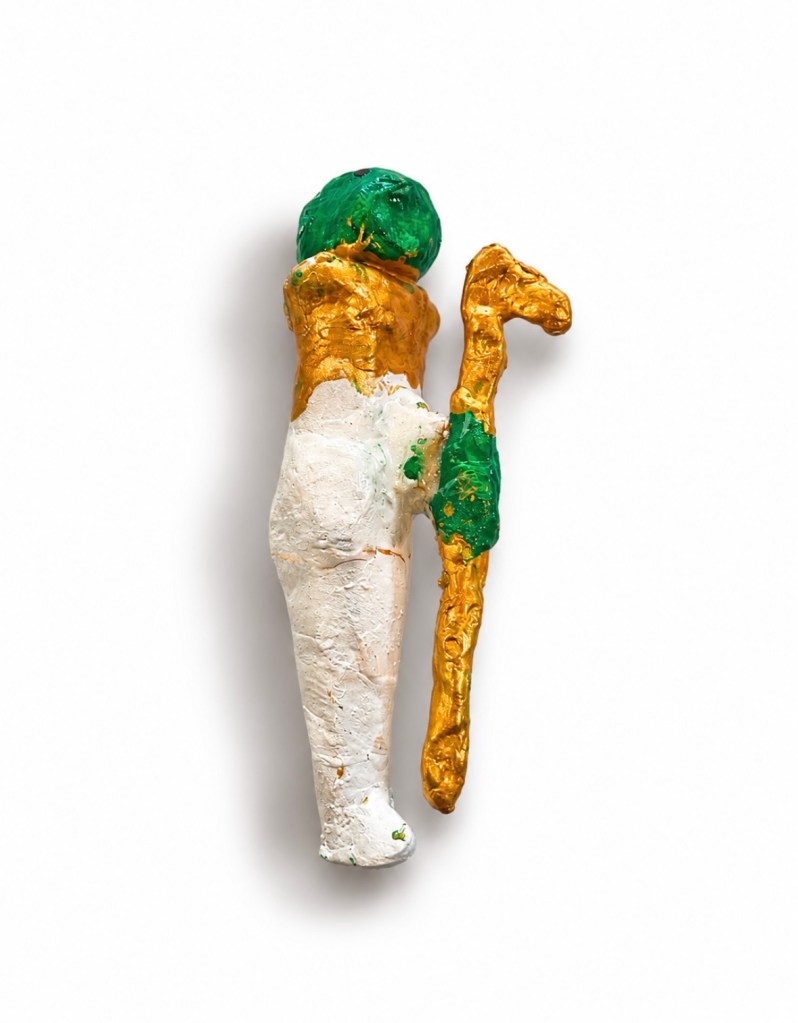
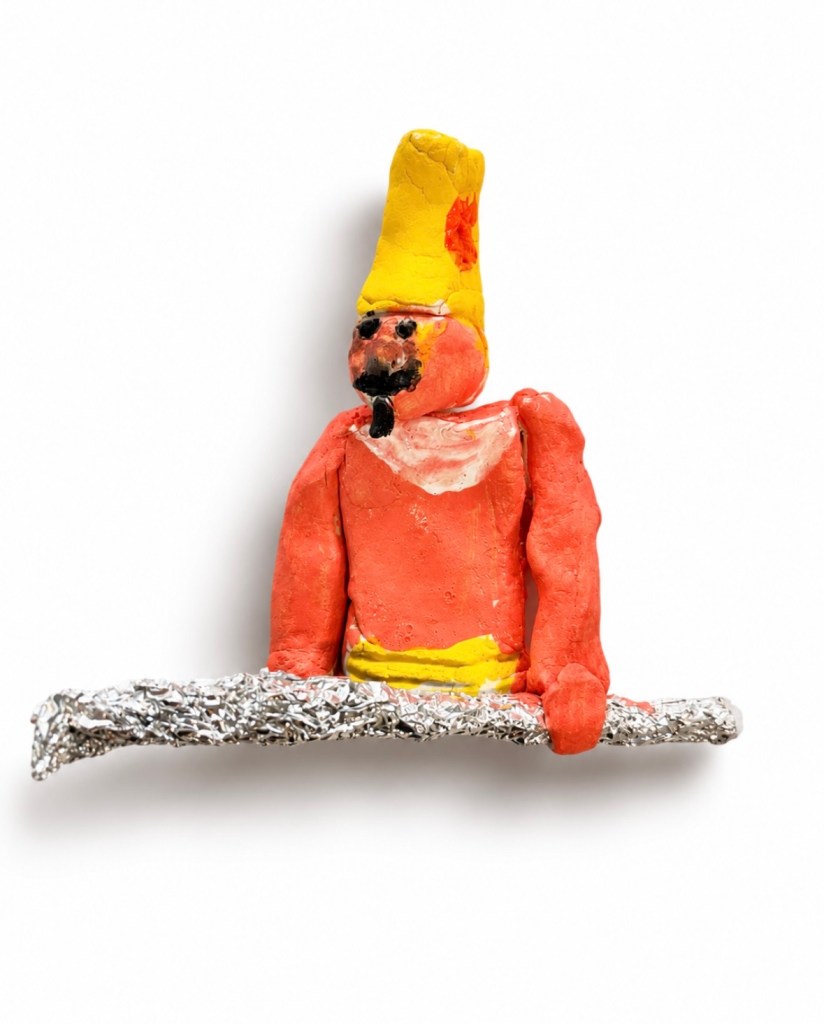
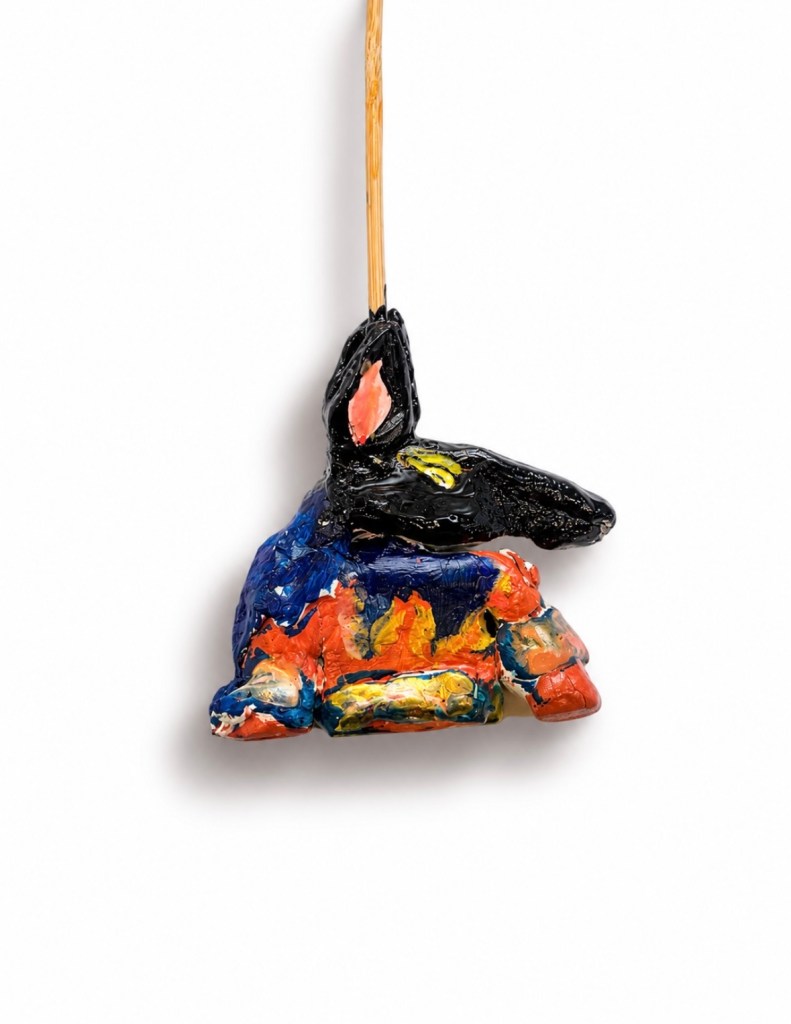
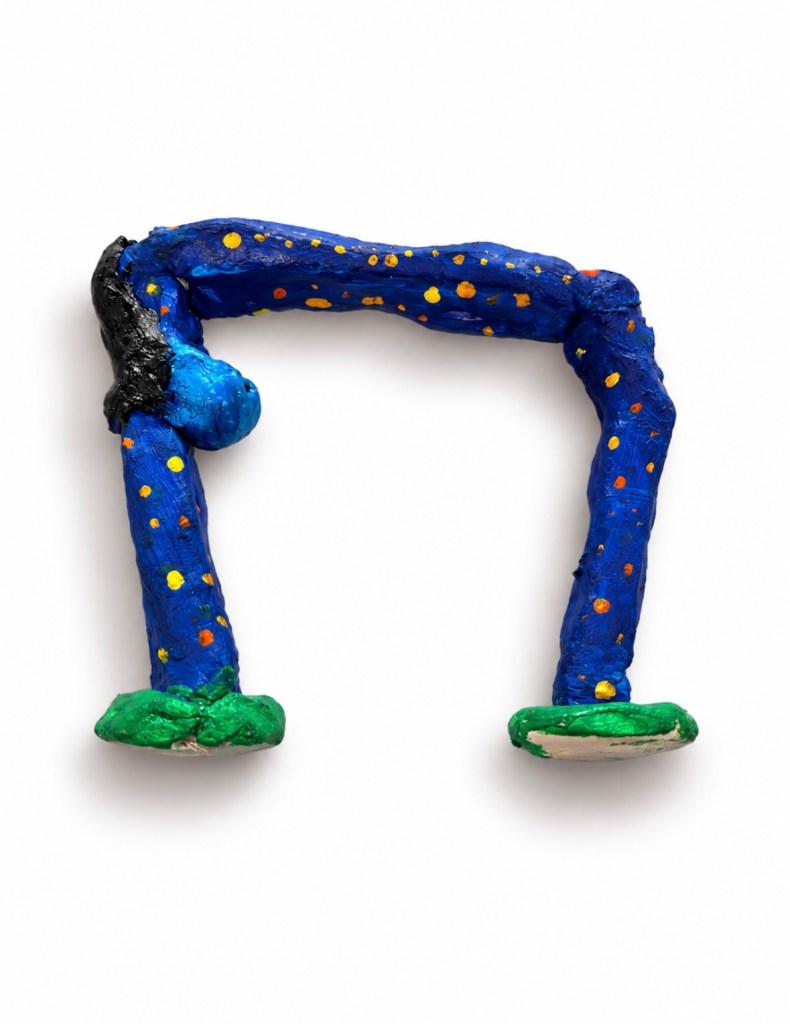
The sculptures reveal an extraordinary variety of artistic decisions: elongated bodies, animal heads, sweeping curves, elaborate headdresses, wings and symbolic objects. Some figures appear theatrical and imposing; others are playful, cartoon-like or deliberately unconventional.
Students explored how individual forms could be constructed and connected, how sculptures could be viewed from different angles, and how balance, texture and proportion influence their appearance.
Colour became an essential part of the investigation. Bold reds, blues, greens, golds and blacks distinguish features, emphasise forms and establish striking visual identities.
The rough, textured surfaces retain evidence of the making process, giving the sculptures a distinctive handmade character.
Learning Through Transformation
The finished sculptures demonstrate how historical research can become a starting point for contemporary artistic invention.
Students developed practical knowledge of three-dimensional construction, material manipulation, proportion, balance and the expressive possibilities of colour and texture.
Importantly, they discovered that sculpture does not depend upon realistic representation. An exaggerated silhouette, an unusual proportion or a carefully chosen detail can communicate as much as anatomical accuracy.
Although students began with a shared historical subject, their outcomes are remarkably diverse, revealing individual imagination, experimentation and increasingly confident artistic decision-making.
The project celebrates the relationship between historical understanding and creative transformation.
Ancient mythology, reimagined through the hands and imaginations of young artists.


Leave a Reply